A Natural Solution for California's Herds: African Catfish Peptides

California's cattle producers and agricultural communities are all too familiar with the rising challenge of antibiotic resistance, making common bacterial infections harder to treat in livestock. But imagine a future where we could tackle these infections with a natural, powerful alternative. Our research points to just that: antimicrobial peptides (AMPs) found in African catfish.

We're really excited about these peptides because African catfish thrive in pathogen-rich freshwater, naturally producing these robust immune compounds in their skin mucus as a defense. This natural origin makes them highly appealing alternatives to synthetic drugs.

Predicted Safety and Potent Action

One of the most compelling aspects of these AMPs is their predicted safety for mammals. Our initial computer analyses suggest that various catfish AMPs are generally recognized as safe (GRAS). We predict they'll be absorbed in the human intestine without causing liver, brain, or heart toxicity. Furthermore, lab tests on a promising peptide, NACAP-II, confirmed it was non-hemolytic, meaning it didn't damage rabbit red blood cells—a strong indicator of its potential safety for mammalian cells.

Beyond safety, these peptides demonstrate effectiveness against problematic bacteria. One study revealed NACAP-II's strong activity against Extended-Spectrum Beta-Lactamase (ESBL)-producing Escherichia coli—a critical concern for both animal and human health due to its resistance to many common antibiotics. Another peptide, ACAP-IV, also showed antibacterial activity against E. coli and Staphylococcus aureus. We believe these AMPs work by directly disrupting bacterial cell membranes, a mechanism that makes it harder for bacteria to develop resistance compared to how they resist traditional antibiotics.

Article

Coping with election uncertainties

November 4, 2024
By Pamela S Kan-Rice
Dear Colleagues, With the presidential election tomorrow, I know that many in our community may be feeling the unique stress that election season can bring. As we've seen in past years, it could take several days or weeks to confirm the results, which can be a source of anxiety.
View Article
Primary Image
Tabatha Yang (left) the Bohart Museum of Entomology's education and outreach coordinator, with UC Davis student and Bohart intern, Jasmine Chow. (Photo by Kathy Keatley Garvey)
Bug Squad: Article

The Intricate Craft of Making a Spider Web

November 4, 2024
By Kathy Keatley Garvey
If you've ever closely examined a spider web, you know how incredible they are. But if you attended the Bohart Museum of Entomology open house last Saturday, you could make a spider web--using chopsticks and colorful yarn.
View Article
Kern County: Article

Kern UCCE/DWR Weekly Crop Water Use Report 11-4-2024

November 4, 2024
Please see below link to access "How To Use Weekly Crop Water Use (ET) Reports to Assist Farm Water Management" How to Use Weekly Crop Water Use Report Please see below link to access "Weekly ET Report 11-4-2024 ET Report 11-4-2024 Please see disclaimer link below: University of California Division...
View Article
Primary Image
Pest prevention tips for November.
Pests in the Urban Landscape: Article

November Pest Tips

November 4, 2024
By Lauren Fordyce
Rainy, cool weather is fast approaching for many parts of California. To help you determine what to do in the landscape during this time of the year UC IPM offers a Seasonal Landscape IPM Checklist.
View Article
Primary Image
20240829 190842
Under the Solano Sun: Article

The Cotton Candy

November 4, 2024
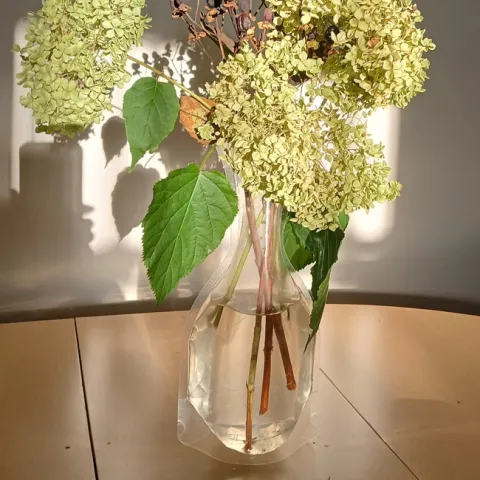
Ever since I was a little girl seeing hydrangeas growing in front of my aunt's house in Michigan, I have loved them. Even before I knew what they were called, I have loved them.
View Article
Primary Image
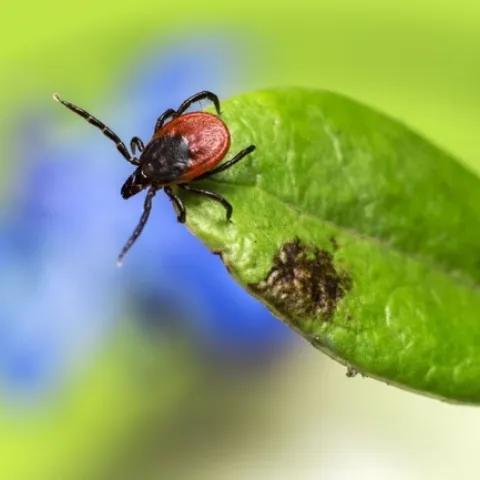
A pear-shaped tick with a brown and black body and 8 black legs sits on the tip of a green leaf.
Pests in the Urban Landscape: Article

Controlling Ticks Around Your Home

November 4, 2024
By Lauren Fordyce
You might think ticks are found only on hiking trails or in wild, natural areas, but in some parts of California, ticks can also live in backyards and neighborhoods.
View Article