A Natural Solution for California's Herds: African Catfish Peptides

California's cattle producers and agricultural communities are all too familiar with the rising challenge of antibiotic resistance, making common bacterial infections harder to treat in livestock. But imagine a future where we could tackle these infections with a natural, powerful alternative. Our research points to just that: antimicrobial peptides (AMPs) found in African catfish.

We're really excited about these peptides because African catfish thrive in pathogen-rich freshwater, naturally producing these robust immune compounds in their skin mucus as a defense. This natural origin makes them highly appealing alternatives to synthetic drugs.

Predicted Safety and Potent Action

One of the most compelling aspects of these AMPs is their predicted safety for mammals. Our initial computer analyses suggest that various catfish AMPs are generally recognized as safe (GRAS). We predict they'll be absorbed in the human intestine without causing liver, brain, or heart toxicity. Furthermore, lab tests on a promising peptide, NACAP-II, confirmed it was non-hemolytic, meaning it didn't damage rabbit red blood cells—a strong indicator of its potential safety for mammalian cells.

Beyond safety, these peptides demonstrate effectiveness against problematic bacteria. One study revealed NACAP-II's strong activity against Extended-Spectrum Beta-Lactamase (ESBL)-producing Escherichia coli—a critical concern for both animal and human health due to its resistance to many common antibiotics. Another peptide, ACAP-IV, also showed antibacterial activity against E. coli and Staphylococcus aureus. We believe these AMPs work by directly disrupting bacterial cell membranes, a mechanism that makes it harder for bacteria to develop resistance compared to how they resist traditional antibiotics.

Primary Image
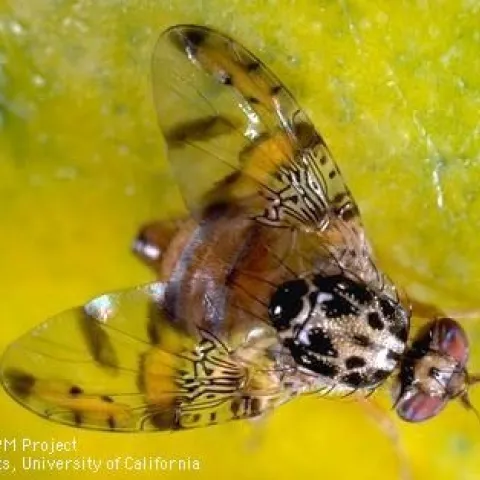
A brown and yellow fly on a yellow-green background.
Pests in the Urban Landscape: Article

Invasive Pest Spotlight: Mediterranean Fruit Fly

November 6, 2024
By Cherie Shook
The invasive pest spotlight focuses on emerging or potential invasive pests in California. In this issue we are covering the Mediterranean fruit fly. Mediterranean Fruit Fly Facts The Mediterranean fruit fly, Ceratitis capitata, commonly called Medfly, attacks more than 260 different plant species.
View Article
Primary Image
109614
Kearney news updates: Article

UC ANR to strengthen California agriculture through Mediterranean partnerships

November 6, 2024
By Keith C Byrum
In October, Vice President Glenda Humiston, Associate Vice President Brent Hales, and Research and Extension Center directors Ashraf El-kereamy and Atef Swelam attended three global food and agriculture events in Italy, met with key leaders of the United Nations Food and Agriculture Organization (UN...
View Article
Salinas Valley Agriculture: Article

Artificial Intelligence (AI) for Sustainable Agriculture Workshop

November 6, 2024
By Paramveer Singh, Michael D Cahn
When: December 3rd, 2024 Where: UC Cooperative Extension Monterey County Agriculture Conference Room 1432 Abbott St, Salinas, CA 93901 Join us for our first-ever Workshop on Artificial Intelligence (AI) for Sustainable Agriculture.
View Article
Primary Image
Photo: Paul, pexels
UC Marin Master Gardeners: Article

Dwarf conifers: small stature, big impact

November 6, 2024
When you think of conifers trees and shrubs that produce cones -- you probably picture a towering redwood tree or Monterey cypress sweeping over a blustery cliff.
View Article
Primary Image
popenoe
Topics in Subtropics: Article

USDA Brings Back the Goods - Fruit

November 6, 2024
By Ben A Faber
You may not have heard of USDA plant explorers David Fairchild and Palemon Howard Dorsett, but they are among those who have had the greatest impact on what we eat in the United States.
View Article
Primary Image
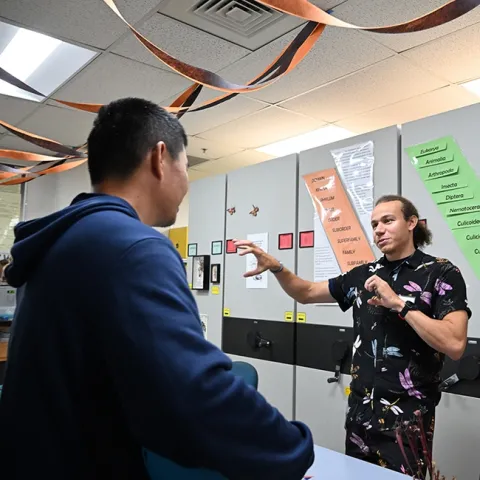
Doctoral candidate Christofer Brothers explains how a dragonfly catches prey. (Photo by Kathy Keatley Garvey)
Bug Squad: Article

An Introduction to Dragonflies and Spiders

November 5, 2024
By Kathy Keatley Garvey
Predators employ a diversity of behavioral and morphological adaptations to successfully capture their insect prey, UC Davis doctoral candidates Christofer Brothers and Emma Em Jochim told the crowd at the Bohart Museum of Entomology open house.
View Article
Primary Image
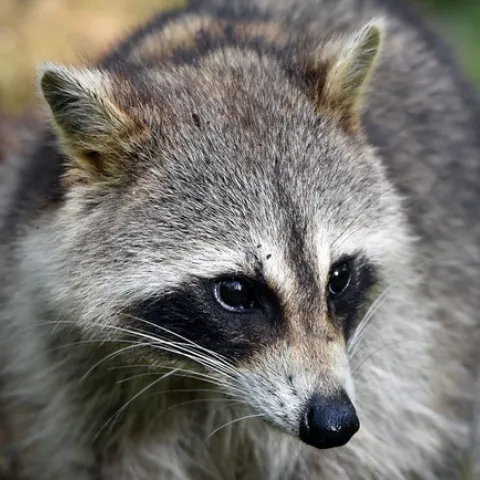
Raccoon Portrait by Charles Patrick Ewing is licensed under CC BY 2.0.
The Savvy Sage: Article

Little Stinkers!

November 5, 2024
As a gardener, you spend much time and energy tending to your plants and landscape. You water, weed, till, plant, trim, fertilize, and take pride in what your labors produce: fruits, vegetables, flowers, and a pleasing environment.
View Article