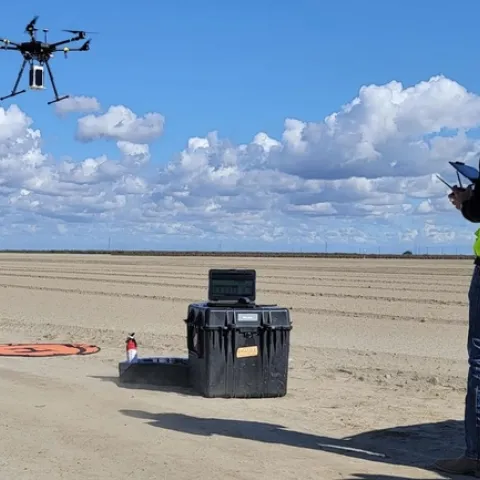
A Natural Solution for California's Herds: African Catfish Peptides

California's cattle producers and agricultural communities are all too familiar with the rising challenge of antibiotic resistance, making common bacterial infections harder to treat in livestock. But imagine a future where we could tackle these infections with a natural, powerful alternative. Our research points to just that: antimicrobial peptides (AMPs) found in African catfish.

We're really excited about these peptides because African catfish thrive in pathogen-rich freshwater, naturally producing these robust immune compounds in their skin mucus as a defense. This natural origin makes them highly appealing alternatives to synthetic drugs.

Predicted Safety and Potent Action

One of the most compelling aspects of these AMPs is their predicted safety for mammals. Our initial computer analyses suggest that various catfish AMPs are generally recognized as safe (GRAS). We predict they'll be absorbed in the human intestine without causing liver, brain, or heart toxicity. Furthermore, lab tests on a promising peptide, NACAP-II, confirmed it was non-hemolytic, meaning it didn't damage rabbit red blood cells—a strong indicator of its potential safety for mammalian cells.

Beyond safety, these peptides demonstrate effectiveness against problematic bacteria. One study revealed NACAP-II's strong activity against Extended-Spectrum Beta-Lactamase (ESBL)-producing Escherichia coli—a critical concern for both animal and human health due to its resistance to many common antibiotics. Another peptide, ACAP-IV, also showed antibacterial activity against E. coli and Staphylococcus aureus. We believe these AMPs work by directly disrupting bacterial cell membranes, a mechanism that makes it harder for bacteria to develop resistance compared to how they resist traditional antibiotics.
Primary Image
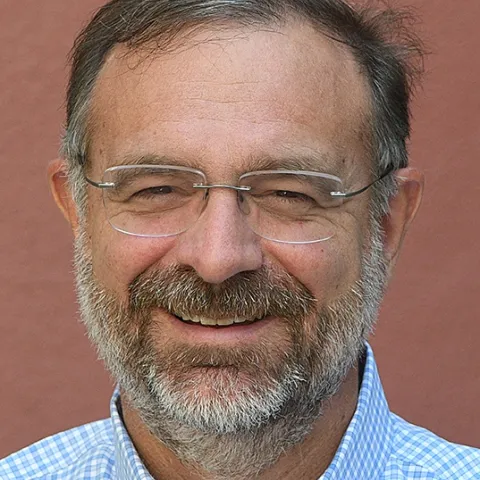
UC Davis professor and CA&ES associate dean Jason Bond, president-elect of the American Arachnological Society. (Photo by Kathy Keatley Garvey)
Entomology & Nematology News: Article

Professor Jason Bond: President-Elect of American Arachnological Society

September 25, 2023
By Kathy Keatley Garvey
Jason Bond, professor and the Evert and Marion Schlinger Endowed Chair of the UC Davis Department of Entomology and Nematology and associate dean of the College of Agricultural and Environmental Sciences, is the newly elected president-elect of the American Arachnological Society (AAS).
View Article
Primary Image
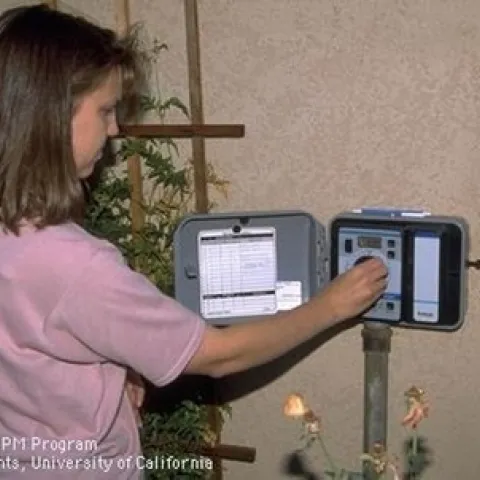
Photo of woman adjusting her irrigation controller

Time to Adjust Your Irrigation

September 25, 2023
By Help Desk Team
Irrigation is not a set and forget' thing. Your watering schedule should be adjusted each season (at least four times each year) as water needs in the landscape vary greatly from season to season.
View Article
Primary Image
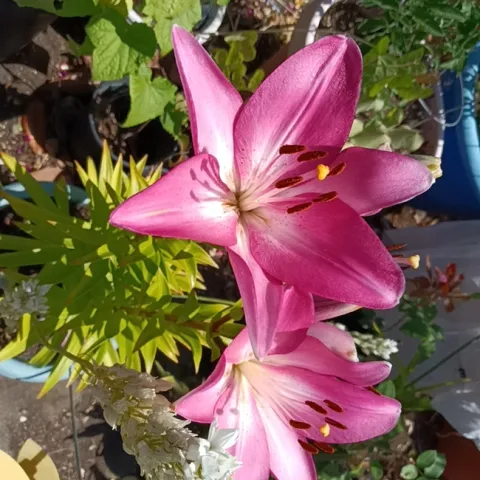
photo by Kathy Low
Under the Solano Sun: Article

Blog Survey

September 25, 2023
I've been blogging off and on for the past ten years. During that time I've often wondered about our readers and their interests. So I decided it was time to stop wondering and to start doing something about it. So please click the link below and take a 5 question survey.
View Article
Primary Image
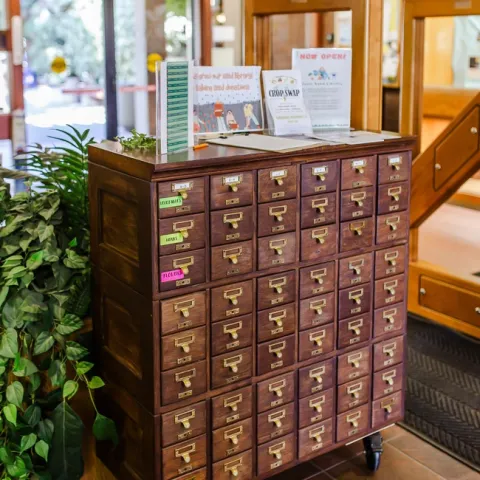
A vintage oak card catalog houses the seed library in the Clovis public library. (All photos: Sarah del Pozo)
Fresno Gardening Green: Article

Seed libraries offer gardeners seeds for free

September 24, 2023
In 2020, when libraries were shuttered due to COVID-19 and the public, sequestered at home, began developing greater interest in gardening, an idea took form in the mind of Clovis Library assistant Amy Johnson.
View Article