A Natural Solution for California's Herds: African Catfish Peptides

California's cattle producers and agricultural communities are all too familiar with the rising challenge of antibiotic resistance, making common bacterial infections harder to treat in livestock. But imagine a future where we could tackle these infections with a natural, powerful alternative. Our research points to just that: antimicrobial peptides (AMPs) found in African catfish.

We're really excited about these peptides because African catfish thrive in pathogen-rich freshwater, naturally producing these robust immune compounds in their skin mucus as a defense. This natural origin makes them highly appealing alternatives to synthetic drugs.

Predicted Safety and Potent Action

One of the most compelling aspects of these AMPs is their predicted safety for mammals. Our initial computer analyses suggest that various catfish AMPs are generally recognized as safe (GRAS). We predict they'll be absorbed in the human intestine without causing liver, brain, or heart toxicity. Furthermore, lab tests on a promising peptide, NACAP-II, confirmed it was non-hemolytic, meaning it didn't damage rabbit red blood cells—a strong indicator of its potential safety for mammalian cells.

Beyond safety, these peptides demonstrate effectiveness against problematic bacteria. One study revealed NACAP-II's strong activity against Extended-Spectrum Beta-Lactamase (ESBL)-producing Escherichia coli—a critical concern for both animal and human health due to its resistance to many common antibiotics. Another peptide, ACAP-IV, also showed antibacterial activity against E. coli and Staphylococcus aureus. We believe these AMPs work by directly disrupting bacterial cell membranes, a mechanism that makes it harder for bacteria to develop resistance compared to how they resist traditional antibiotics.
Primary Image
Photo by Phyllis Molnar
UC Master Gardeners- Diggin' it in SLO: Article

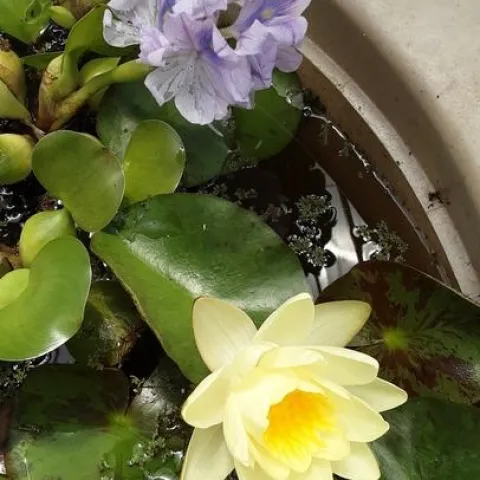
Wildlife Ponds

September 27, 2023
Wildlife Ponds By Phyllis Molnar UCCE Master Gardener What is a wildlife pond? It is a freshwater environment created to support and encourage wildlife including beneficial insects. A true wildlife pond does not use a water pump for air and water circulation.
View Article
Primary Image
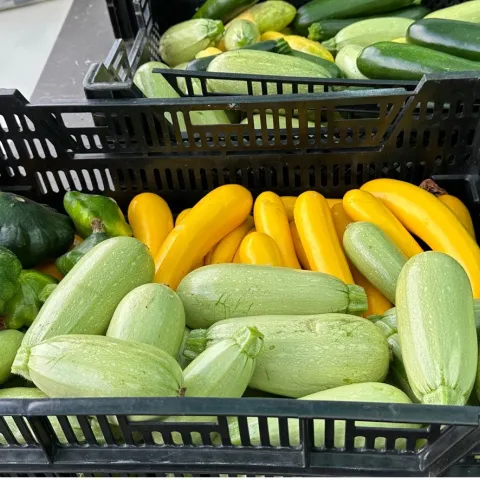
Summer squash are tastiest when they are picked while small.
UC Marin Master Gardeners: Article

October 2023: An Abundance of Squash

September 27, 2023
The summer harvest was in full swing in the Edible Demo Garden in September. Volunteers harvested beans, tomatoes, cucumbers, eggplant, peppers, and lots of summer squash...
View Article
San Benito County: Article

San Benito 4-H Fair t-shirts & sweatshirts fundraiser

September 27, 2023
Hello 4-H Families, We are kicking off the San Benito Fair today with our livestock shows. The 4-H council sponsor a sweet treat for the exhibitors and family at night during the fair. Cienega 4-H leaders are hosting this event this year.
View Article
Kern County: Article

Kern UCCE/DWR Weekly Crop Water Use Report 09-25-2023

September 26, 2023
Please see below link to access "How To Use Weekly Crop Water Use (ET)Reports to Assist Farm Water Management" How to Use Weekly Crop Water Use Report Please see below link to access "Weekly ET Report 09-25-2023" ET Report 09-25-2023 Please see disclaimer link below: University of California Divisio...
View Article
Primary Image
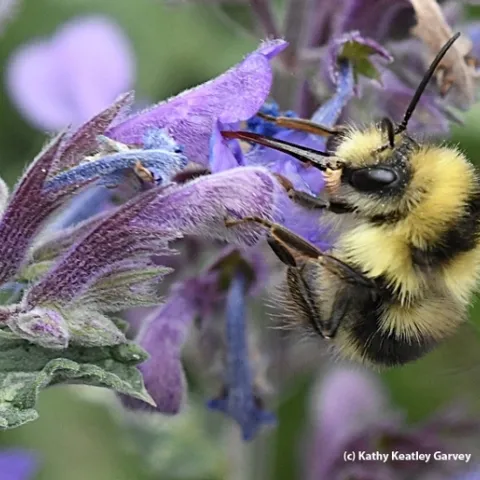
Conservation ecologist Paul CaraDonna of the Chicago Botanic Garden and Northwestern University will be the UC Davis Department of Entomology's first speaker in its fall seminar series.
Entomology & Nematology News: Article

Paul CaraDonna Seminar: Understanding Plant-Pollinator Interactions

September 26, 2023
By Kathy Keatley Garvey
Conservation ecologist Paul CaraDonna, who serves as a research scientist at the Chicago Botanic Garden, a professor of instruction at Northwestern University, Illinois, and as a principal investigator at the Rocky Mountain Biological Laboratory, Gothic, Colo.
View Article
Primary Image
A man and woman demonstrating products made with agave.
Green Blog: Article

UC scientists share techniques to sustainably grow agave in California

September 26, 2023
By Linda Forbes
Tasting event showcases research on production of agave for tequila, mezcal and more A group of University of California researchers and collaborators is developing innovative agricultural techniques for growing agave in California without compromising natural resources.
View Article