A Natural Solution for California's Herds: African Catfish Peptides

California's cattle producers and agricultural communities are all too familiar with the rising challenge of antibiotic resistance, making common bacterial infections harder to treat in livestock. But imagine a future where we could tackle these infections with a natural, powerful alternative. Our research points to just that: antimicrobial peptides (AMPs) found in African catfish.

We're really excited about these peptides because African catfish thrive in pathogen-rich freshwater, naturally producing these robust immune compounds in their skin mucus as a defense. This natural origin makes them highly appealing alternatives to synthetic drugs.

Predicted Safety and Potent Action

One of the most compelling aspects of these AMPs is their predicted safety for mammals. Our initial computer analyses suggest that various catfish AMPs are generally recognized as safe (GRAS). We predict they'll be absorbed in the human intestine without causing liver, brain, or heart toxicity. Furthermore, lab tests on a promising peptide, NACAP-II, confirmed it was non-hemolytic, meaning it didn't damage rabbit red blood cells—a strong indicator of its potential safety for mammalian cells.

Beyond safety, these peptides demonstrate effectiveness against problematic bacteria. One study revealed NACAP-II's strong activity against Extended-Spectrum Beta-Lactamase (ESBL)-producing Escherichia coli—a critical concern for both animal and human health due to its resistance to many common antibiotics. Another peptide, ACAP-IV, also showed antibacterial activity against E. coli and Staphylococcus aureus. We believe these AMPs work by directly disrupting bacterial cell membranes, a mechanism that makes it harder for bacteria to develop resistance compared to how they resist traditional antibiotics.

Primary Image
Courtesy of Anne Sutherland.
UC Master Gardener Program of Contra Costa County: Article

Be Kind to Your Tools to Be Kind to Your Plants

September 27, 2023
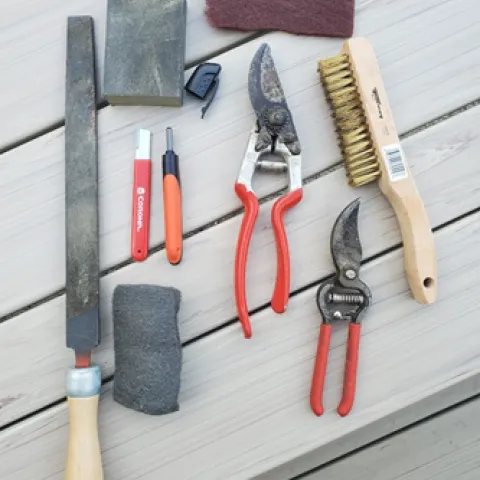
by Cynthia Engers Its easy to take our trusted garden tools for granted, but sometimes they, too, need care and attention. And that care entails cleaning, sharpening, and disinfecting.
View Article
Primary Image
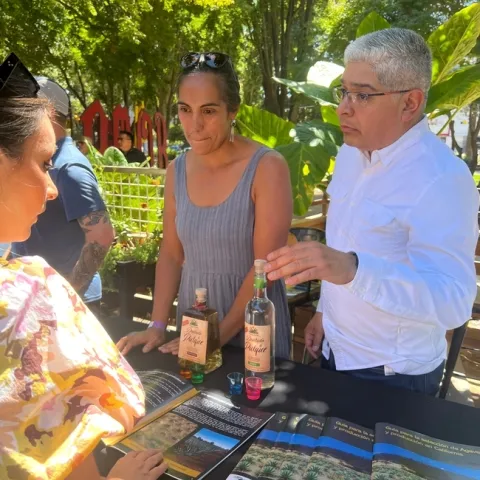
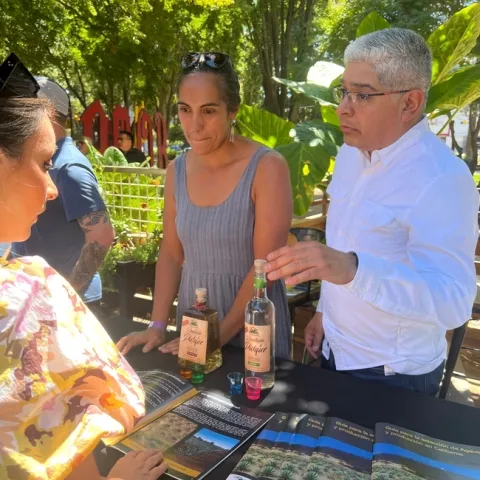
Paulina Rojas, PhD student in the UC Davis Ecology Graduate Group and research project leader Samuel Sandoval Solis, UC Cooperative Expension specialist in water resources managment offering pulque tasting to an event attendee.
Nuestra Comunidad: Article

UC scientists share techniques to sustainably grow agave in California

September 27, 2023
By Diana Cervantes
Tasting event showcases research on production of agave for tequila, mezcal and more A group of University of California researchers and collaborators is developing innovative agricultural techniques for growing agave in California without compromising natural resources.
View Article
Kern County: Article

4-H Network October 2023

September 27, 2023
Important information in this edition of 4-H Network Newsletter regarding 4-H Council Officer nominations...
View Article
Primary Image
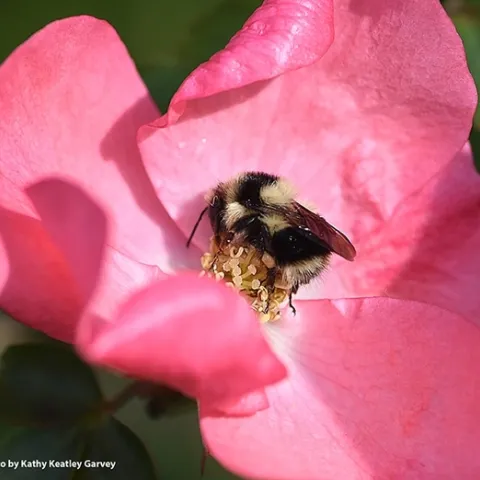
A black-tailed bumble bee, Bombus melanopygus, foraging on a rose in Benicia, Calif. (Photo by Kathy Keatley Garvey)
Bug Squad: Article

'Understanding the Dynamics of Plant-Animal Interactions in a Changing World'

September 27, 2023
By Kathy Keatley Garvey
"Understanding the Dynamics of Plant-Animal Interactions in a Changing World." That's the title of conservation ecologist Paul CaraDonna's seminar that he'll present to the UC Davis Department of Entomology and Nematology from 4:10 to 5 p.m., Monday, Oct. 2 in 122 Briggs Hall, UC Davis campus.
View Article
Primary Image
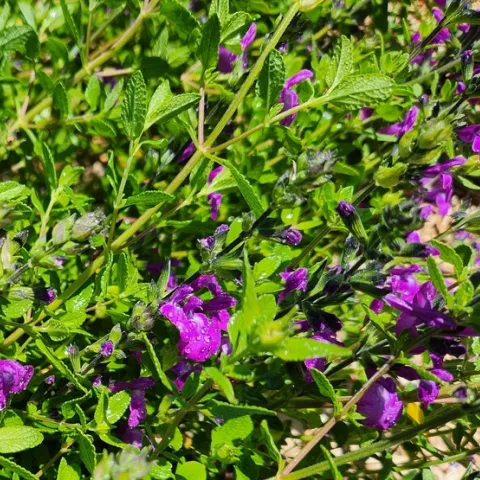
Photo by Polly Nelson
UC Master Gardeners- Diggin' it in SLO: Article

Sage

September 27, 2023
Sage By Polly Nelson UCCE Master Gardener Common name: Salvia or sage Scientific name: Pictured is Salvia microphylla x chamaedroides Christine Yeo' Planting area: USDA 7-24 Size: This specific species, 12-18 tall, 3-4 feet wide Bloom season: Mid-spring to late fall Exposure: Full sun or part shade...
View Article
Primary Image
Photo by Andrea Giacoletti
UC Master Gardeners- Diggin' it in SLO: Article

Grandaisy Yellow

September 27, 2023
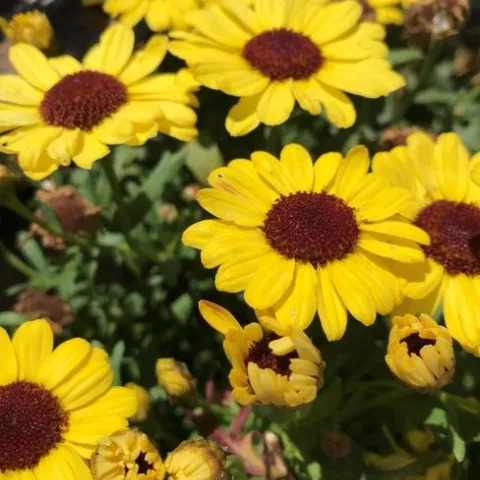
Grandaisy Yellow By Andrea Peck UCCE Master Gardener Common name: Grandaisy Yellow Scientific name: Argyranthemum frutescens Planting area: USDA Zones 9-11 Size: 18-24 Bloom Season: spring to summer Exposure: full to partial sun Pruning needs: to promote midseason bloom Water needs: low Snapshot: If...
View Article
Primary Image
Photo by Jutta Thoerner
UC Master Gardeners- Diggin' it in SLO: Article

Bear's Breech

September 27, 2023
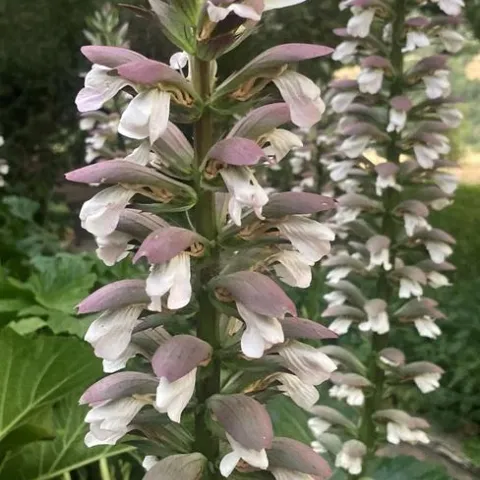
Bear's Breech By Jutta Thoerner UCCE Master Gardener Size: 4 feet tall (6 feet in bloom) and 3 feet wide Blooms: 2 feet flower spikes with flattened, hooded, multitoned white to lavender flowers. Blooming time is early spring. Pruning needs: remove flower stalks after bloom.
View Article