A Natural Solution for California's Herds: African Catfish Peptides

California's cattle producers and agricultural communities are all too familiar with the rising challenge of antibiotic resistance, making common bacterial infections harder to treat in livestock. But imagine a future where we could tackle these infections with a natural, powerful alternative. Our research points to just that: antimicrobial peptides (AMPs) found in African catfish.

We're really excited about these peptides because African catfish thrive in pathogen-rich freshwater, naturally producing these robust immune compounds in their skin mucus as a defense. This natural origin makes them highly appealing alternatives to synthetic drugs.

Predicted Safety and Potent Action

One of the most compelling aspects of these AMPs is their predicted safety for mammals. Our initial computer analyses suggest that various catfish AMPs are generally recognized as safe (GRAS). We predict they'll be absorbed in the human intestine without causing liver, brain, or heart toxicity. Furthermore, lab tests on a promising peptide, NACAP-II, confirmed it was non-hemolytic, meaning it didn't damage rabbit red blood cells—a strong indicator of its potential safety for mammalian cells.

Beyond safety, these peptides demonstrate effectiveness against problematic bacteria. One study revealed NACAP-II's strong activity against Extended-Spectrum Beta-Lactamase (ESBL)-producing Escherichia coli—a critical concern for both animal and human health due to its resistance to many common antibiotics. Another peptide, ACAP-IV, also showed antibacterial activity against E. coli and Staphylococcus aureus. We believe these AMPs work by directly disrupting bacterial cell membranes, a mechanism that makes it harder for bacteria to develop resistance compared to how they resist traditional antibiotics.
Primary Image
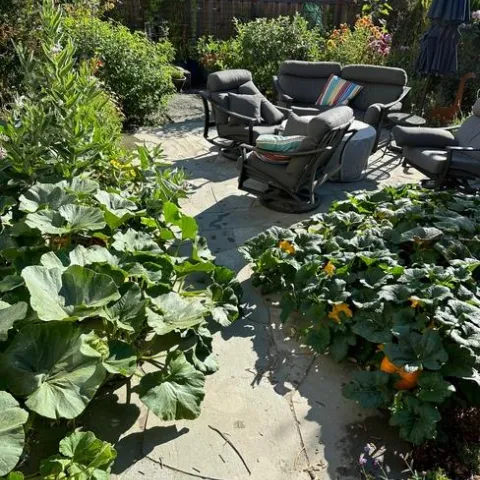
The pumpkin vines nearly meet! photos by Erin Mahaney
Under the Solano Sun: Article

Pumpkin Takeover

September 28, 2023
The pitiful whimpering caught my attention. That's when I realized, not for the first time, that I might have a plant problem, specifically, a pumpkin problem. But first, an explanation . . . . Each year, I have the best intentions to edit my garden and not overplant. And each year, I overplant.
View Article
Primary Image
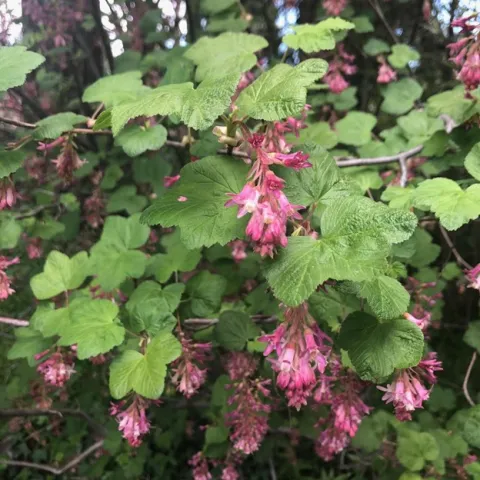
Ribes. Photo by Laurinda Ochoa.
UC Master Gardener Program of Contra Costa County: Article

Plant Native Shrubs Now for Winter and Spring Bloom

September 27, 2023
by Laurinda Ochoa Fall is the ideal time to plant California natives and other Mediterranean plants that grow with our winter rains and bloom in late winter and spring.
View Article
Primary Image
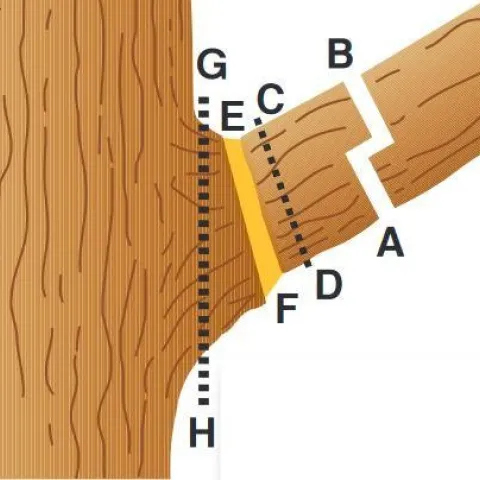
Courtesy of UCANR, Pruning in Action 2019.
UC Master Gardener Program of Contra Costa County: Article

Pruning to Control Growth

September 27, 2023
by Anne Sutherland Pruning during dormancy invigorates trees. Pruning when a tree is leafed out in summer and fall will reduce the next seasons growth and is the best way to reduce its size.
View Article
Primary Image
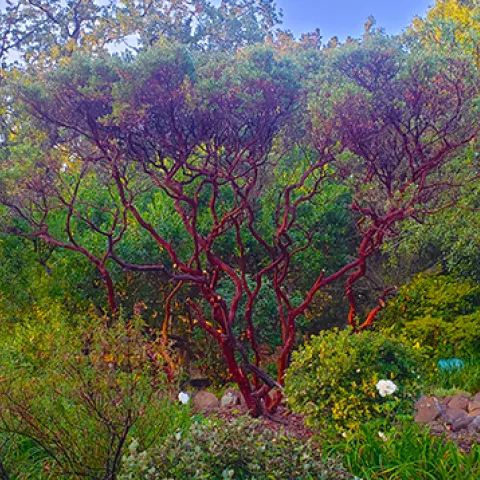
Very tall pruned Manzanita on a steep hill. Photo by Hedwig Van Den Broeck.
UC Master Gardener Program of Contra Costa County: Article

Aesthetic Pruning: Taking pruning a step further

September 27, 2023
by Hedwig Van Den Broeck There is something magical about strolling through nature, where fauna and flora thrive without human interference. Our California natives - whether groundcovers, shrubs, or trees - just appear to be having a great time doing what they do best: growing effortlessly.
View Article
Primary Image
Photo by Greg Letts.
UC Master Gardener Program of Contra Costa County: Article

A Season in Review

September 27, 2023
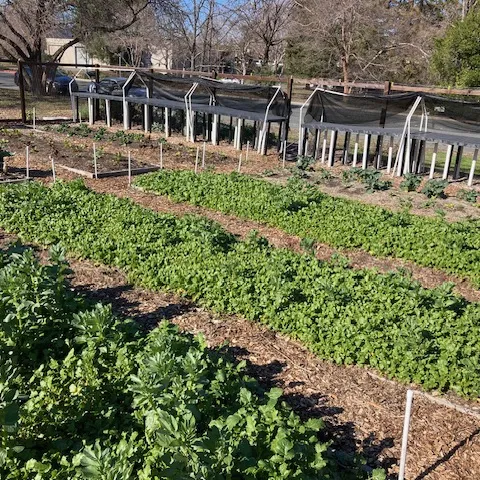
by Janet Miller The end of the main growing season is approaching, and what a season it has been, both at the Walnut Creek demonstrating garden, Our Garden ) and in our own gardens. In comparison with other winters in our part of the country, this winter was particularly long, wet, and, cold.
View Article
Primary Image
Courtesy of Jain Irrigation USA.
UC Master Gardener Program of Contra Costa County: Article

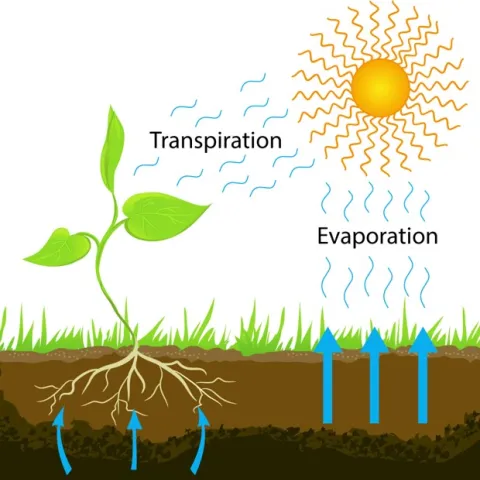
Try These Strategies to Use Less and Store More Water

September 27, 2023
by Lori Palmquist Its September, and the leaves are turning color, detaching, and floating to the Earth to form a mantle that feeds and shelters the soil and the resident soil organisms.
View Article
Primary Image
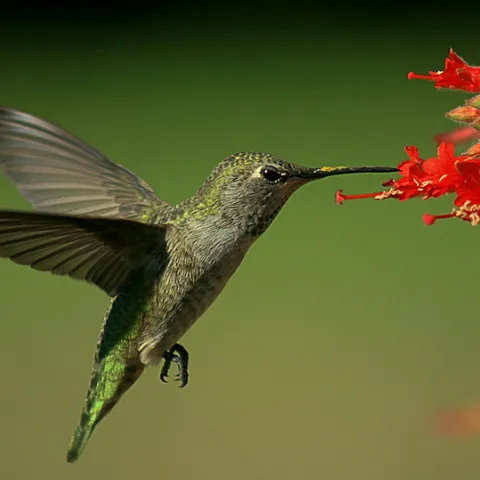
Anna's hummingbird feeding on California fuchsia. Community Garden Demonstration Project. Fairmont Park. El Cerrito. Photo by TJ Gehling.
UC Master Gardener Program of Contra Costa County: Article

Winter Gardens for the Birds!

September 27, 2023
by Lorraine Frey Believe it or not, summer will soon be coming to an end. Its therefore time to think about the fall garden and the birds we want to see and protect through the winter First, we need to re-think fall "Cleanup".
View Article
Primary Image
Courtesy UCANR.
UC Master Gardener Program of Contra Costa County: Article

Small Spaces Gardening: Growing Succulents in Containers

September 27, 2023
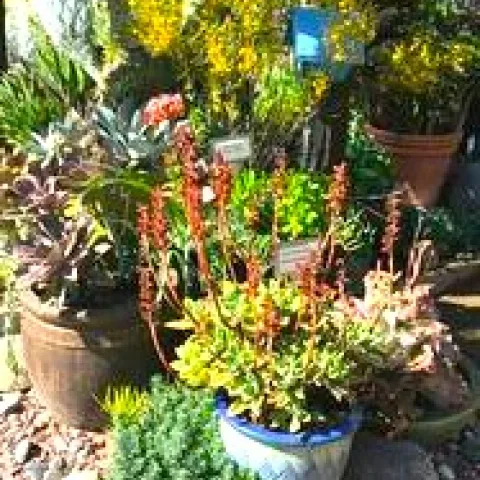
by David George Succulents are popular patio container or indoor plants in Contra Costa County. Many are easy to grow in shady or dry conditions, which often challenge other container plants.
View Article