A Natural Solution for California's Herds: African Catfish Peptides

California's cattle producers and agricultural communities are all too familiar with the rising challenge of antibiotic resistance, making common bacterial infections harder to treat in livestock. But imagine a future where we could tackle these infections with a natural, powerful alternative. Our research points to just that: antimicrobial peptides (AMPs) found in African catfish.

We're really excited about these peptides because African catfish thrive in pathogen-rich freshwater, naturally producing these robust immune compounds in their skin mucus as a defense. This natural origin makes them highly appealing alternatives to synthetic drugs.

Predicted Safety and Potent Action

One of the most compelling aspects of these AMPs is their predicted safety for mammals. Our initial computer analyses suggest that various catfish AMPs are generally recognized as safe (GRAS). We predict they'll be absorbed in the human intestine without causing liver, brain, or heart toxicity. Furthermore, lab tests on a promising peptide, NACAP-II, confirmed it was non-hemolytic, meaning it didn't damage rabbit red blood cells—a strong indicator of its potential safety for mammalian cells.

Beyond safety, these peptides demonstrate effectiveness against problematic bacteria. One study revealed NACAP-II's strong activity against Extended-Spectrum Beta-Lactamase (ESBL)-producing Escherichia coli—a critical concern for both animal and human health due to its resistance to many common antibiotics. Another peptide, ACAP-IV, also showed antibacterial activity against E. coli and Staphylococcus aureus. We believe these AMPs work by directly disrupting bacterial cell membranes, a mechanism that makes it harder for bacteria to develop resistance compared to how they resist traditional antibiotics.

Shasta County: Article

Volume 5, Issue 1 - February 2014 Northern California Ranch Update

December 19, 2025
By Mari Szynal
In this Issue:   Managing Irrigated Pasture in a Short Water Year   Watch Your Cattle Around Oak Trees   New Perennial Grass Tested for Sacramento Valley Foothill Rangeland   SRA Fees Boost Funding for CAL FIRE's VMP Program   Managing Cattle During Drought:…
View Article
Primary Image
snow covered garden trellis
UC Master Gardener Coordinators: Article

Rooted in Marketing - December 2025

December 19, 2025
By Barbra Braaten
As we close out another year, it's time to reflect on everything you've accomplished. Your dedication to telling our story matters. Every post, newsletter, and event you've shared has helped extend our reach and strengthen connections in your communities. Thank you.As we enter the busiest month for…
View Article
Primary Image
an image with various photos of UC Environmental Stewards community members says 63 new instructors trained, 101 courses held training 1,760 people, 1 regional rendezvous with 121 attendees, a new logo and an updated handbook
UC Environmental Stewards Blog: Article

Support UC Environmental Stewards

December 19, 2025
By Gregory C Ira
  Dear Community, Connecting with like-minded people is one of the top reasons individuals join a California Naturalist or Climate Stewards course. Your support of UC Environmental Stewards powers a small but mighty team anchoring one of the largest collective impact networks of its kind. Just five…
View Article
Event Primary Image
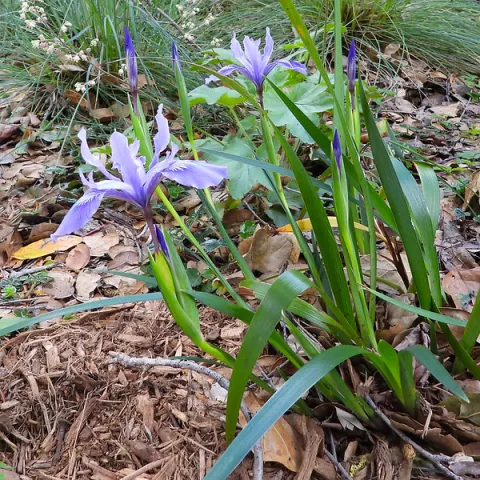
Douglas Iris
UC Master Gardeners of San Mateo & San Francisco Counties: Event

California Native Irises Division Workshop

Event Date
Jan 11, 2026

California native irises are beautiful and easy to grow. Join us to learn about them and take some home for free! We’ll begin indoors at the San Carlos Library with an introduction to the world of irises and especially our beautiful California native irises. We will cover how they grow, why winter is the…
UC Master Gardeners of San Mateo & San Francisco Counties
View Event
Primary Image
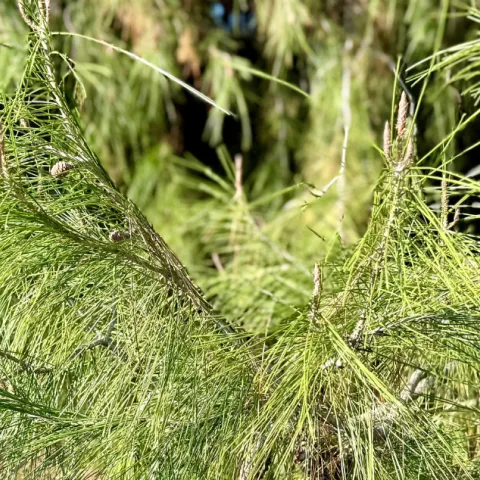
Pine bough
Fresno Gardening Green: Article

Pruning pine trees is best done in the coldest months of the year

December 19, 2025
By Jeannette Warnert
If your pine tree has become unwieldy or some parts look diseased, winter is the best time to prune out unwanted twigs and branches. When the weather is warmer, the pruning cuts may attract pests that threaten the health of the tree, including pine bark beetles, pitch moths and western gall rust,…
View Article
Primary Image
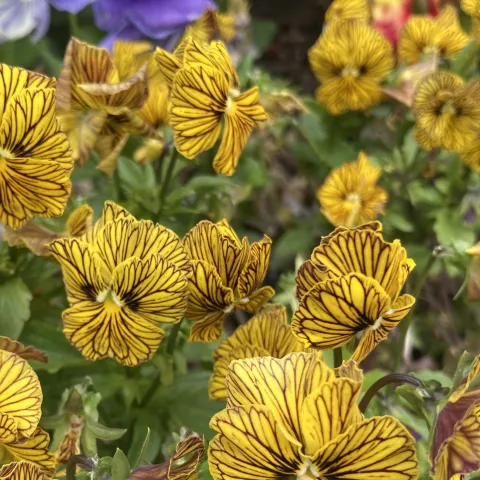
Striped pansies
Fresno Gardening Green: Article

This week in the garden: Dec. 19 - 25

December 19, 2025
Plan now for New Year’s resolutions for the garden. Check gardening books for ideas.TasksSpray apricots and walnuts with horticultural oil and fixed copper.Provide frost protection. Move or cover tender plants. Use floating row covers or fabric, and uncover plants during the day. Frost protection material…
View Article
Primary Image
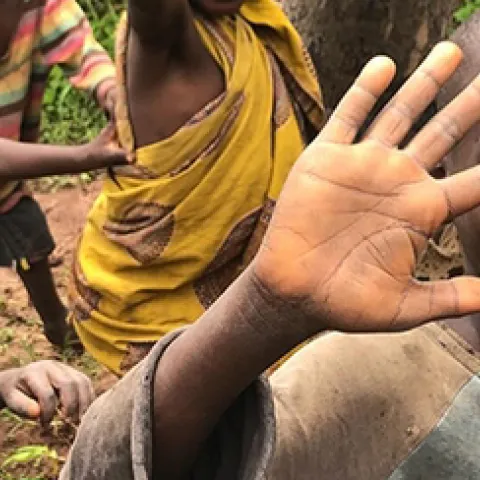
Waving goodbye in Burundi. (Photo by Jenny Carlson Donnelly)
Bug Squad: Article

Lost Science, A Lost Job, A Loss to Global Public Health

December 18, 2025
By Kathy Keatley Garvey
 The "Lost Science" column of the New York Times recently focused on Jenny Carlson Donnelly, a UC Davis doctoral alumna who lost her job earlier this year as a Malaria Outbreak Emergency Advisor for the U.S. Agency for International Development (USAID) due to Trump administration cuts.USAID,…
View Article
UC Master Gardeners of Placer County: Article

Worms in My Apples: Non-chemical Control of Codling Moths

December 18, 2025
Jacqueline Champa, UC Master Gardeners of Placer County  From The Curious Gardener, Fall 2010All summer you looked forward to your first, fresh-picked apple of the season. Picking a beautiful apple off the tree, the only imperfection is a slight red spot on the skin---somewhat like a blossoming…
View Article