A Natural Solution for California's Herds: African Catfish Peptides

California's cattle producers and agricultural communities are all too familiar with the rising challenge of antibiotic resistance, making common bacterial infections harder to treat in livestock. But imagine a future where we could tackle these infections with a natural, powerful alternative. Our research points to just that: antimicrobial peptides (AMPs) found in African catfish.

We're really excited about these peptides because African catfish thrive in pathogen-rich freshwater, naturally producing these robust immune compounds in their skin mucus as a defense. This natural origin makes them highly appealing alternatives to synthetic drugs.

Predicted Safety and Potent Action

One of the most compelling aspects of these AMPs is their predicted safety for mammals. Our initial computer analyses suggest that various catfish AMPs are generally recognized as safe (GRAS). We predict they'll be absorbed in the human intestine without causing liver, brain, or heart toxicity. Furthermore, lab tests on a promising peptide, NACAP-II, confirmed it was non-hemolytic, meaning it didn't damage rabbit red blood cells—a strong indicator of its potential safety for mammalian cells.

Beyond safety, these peptides demonstrate effectiveness against problematic bacteria. One study revealed NACAP-II's strong activity against Extended-Spectrum Beta-Lactamase (ESBL)-producing Escherichia coli—a critical concern for both animal and human health due to its resistance to many common antibiotics. Another peptide, ACAP-IV, also showed antibacterial activity against E. coli and Staphylococcus aureus. We believe these AMPs work by directly disrupting bacterial cell membranes, a mechanism that makes it harder for bacteria to develop resistance compared to how they resist traditional antibiotics.

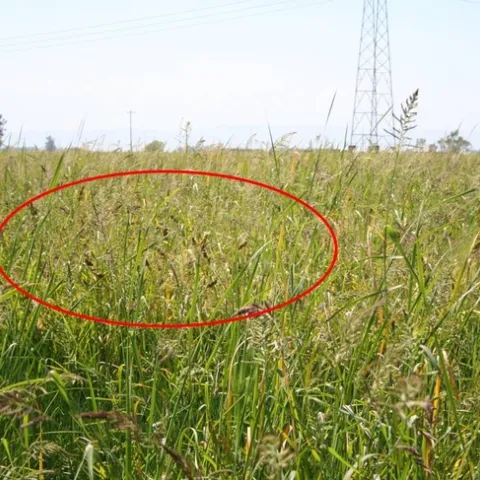
FOUND: Japanese millet

August 27, 2013
By Gale Perez
This just in from the UC Rice blog (http://ucanr.org/blogs/riceblog/). The author is Luis Espino, UC Cooperative Extension Rice Farm Advisor in Colusa-Glenn-Yolo Counties. Japanese Millet August 26, 2013 Japanese millet is not a weed of rice in our area.
View Article
Colusa County: Article

September 2013

August 26, 2013
Countywide projects offered, Craft Expo announced, 4-H Council Meeting...
View Article

The Different Ways of Being a Weed

August 26, 2013
By Chris J McDonald
With apologies to Deborah Rabinowitz. (Seven Forms of Rarity, 1981) There are many different ways of being a pest. Some of the easiest ways are to use large bulldozers next to an office building, or have a computer virus send spam to every person on earth with an email address.
View Article
Primary Image
Jap millet field
UC Rice Blog: Article

Japanese Millet

August 26, 2013
By Luis Espino
Japanese millet is not a weed of rice in our area. However, a PCA recently noticed it in an organic rice field. Japanese millet is in the same genus as our common watergrasses, and looks similar, but is much more robust. It seems to grow well under flooded and dry conditions.
View Article
Primary Image
image 17829
IGIS: Article

Update on the American fire

August 26, 2013
By Maggi Kelly
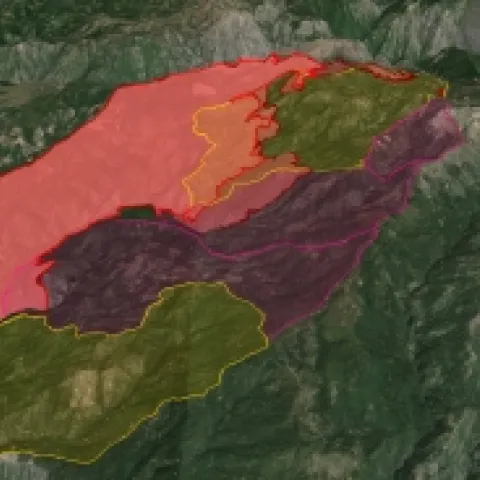
American fire as of 8-25-13.Fire Status from Incident Report: The south, west and north perimeters of the fire remain in patrol status. This is due to completion of fire lines and minimal to no hot spots being detected inside the fire line in these areas.
View Article
Primary Image
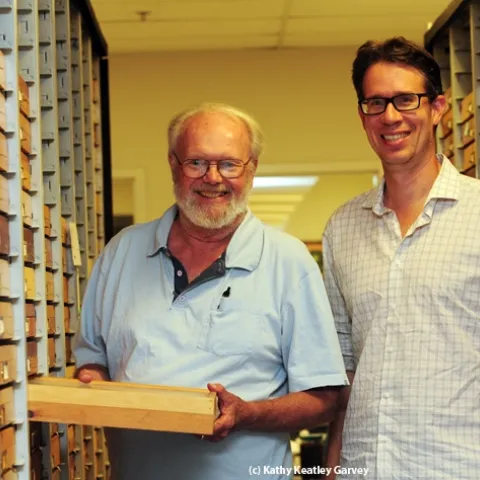
Robbin Thorp (left) of UC Davis and John Ascher of the National University of Singapore are two of The Bee Course instructors. (Photo by Kathy Keatley Garvey)
Bug Squad: Article

The Bee Course

August 23, 2013
By Kathy Keatley Garvey
If you want to learn about bees--and learn it from the experts--The Bee Course is the place to be. It's an annual workshop held at the Southwestern Research Station (SWRS) in Portal, Ariz.
View Article
Primary Image
image 17806
IGIS: Article

Update on the American fire

August 23, 2013
By Maggi Kelly
As of 8-22-13 - American fire moves into treatment area.Fire Status from Incident Report: Crews continued to mop up on the west and north sides ofthe fire to prevent any fire from potential hotspots from crossing established containment lines. This area will be patrolled by airresources today.
View Article
Primary Image
asphyxiated avocado2
Topics in Subtropics: Article

Iron chlorosis

August 23, 2013
By Ben A Faber
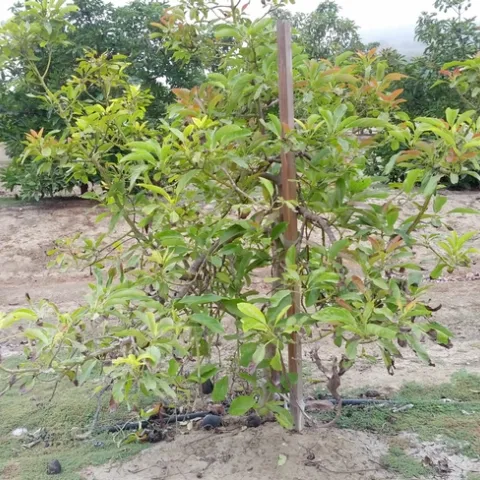
Iron chlorosis is an off duck. Soil is basically iron with some aluminum, silicon and oxygen added in for good measure, but plants can lack for iron because it is not available to be taken up.
View Article
Primary Image
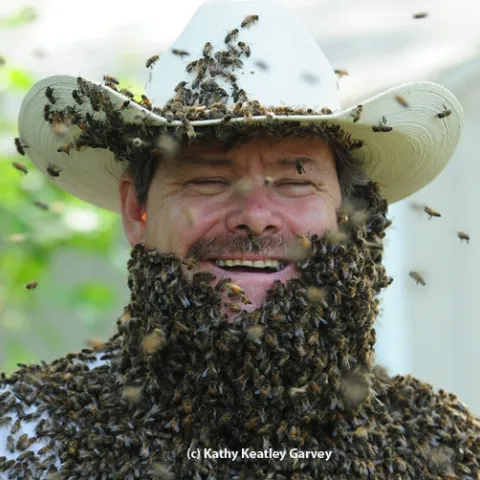
Wilton beekeeper Brian Fishback wearing a bee beard at the Harry H. Laidlaw Jr. Honey Bee Research Facility, UC Davis. This photo appeared in Kari-Lynn Winters' book, Buzz About Bees. (Photo by Kathy Keatley Garvey)
Bug Squad: Article

Brian's Bee Beard

August 22, 2013
By Kathy Keatley Garvey
Its good to see so many childrens books being published about bees. One of the latest ones is Buzz About Bees (Fitzhenry & Whiteside) by former elementary school teacher Kari-Lynn Winters, who asked forand receivedone of my photos of beekeeper Brian Fishback of Wilton wearing a bee beard.
View Article