A Natural Solution for California's Herds: African Catfish Peptides

California's cattle producers and agricultural communities are all too familiar with the rising challenge of antibiotic resistance, making common bacterial infections harder to treat in livestock. But imagine a future where we could tackle these infections with a natural, powerful alternative. Our research points to just that: antimicrobial peptides (AMPs) found in African catfish.

We're really excited about these peptides because African catfish thrive in pathogen-rich freshwater, naturally producing these robust immune compounds in their skin mucus as a defense. This natural origin makes them highly appealing alternatives to synthetic drugs.

Predicted Safety and Potent Action

One of the most compelling aspects of these AMPs is their predicted safety for mammals. Our initial computer analyses suggest that various catfish AMPs are generally recognized as safe (GRAS). We predict they'll be absorbed in the human intestine without causing liver, brain, or heart toxicity. Furthermore, lab tests on a promising peptide, NACAP-II, confirmed it was non-hemolytic, meaning it didn't damage rabbit red blood cells—a strong indicator of its potential safety for mammalian cells.

Beyond safety, these peptides demonstrate effectiveness against problematic bacteria. One study revealed NACAP-II's strong activity against Extended-Spectrum Beta-Lactamase (ESBL)-producing Escherichia coli—a critical concern for both animal and human health due to its resistance to many common antibiotics. Another peptide, ACAP-IV, also showed antibacterial activity against E. coli and Staphylococcus aureus. We believe these AMPs work by directly disrupting bacterial cell membranes, a mechanism that makes it harder for bacteria to develop resistance compared to how they resist traditional antibiotics.

Beef cattle herd health & production: Page

Survey on Smoke from Wildfires and Livestock Health

Study highlights Wildfires are increasing in frequency and severity across the Western United States. This work presents the results of a survey of cattle, sheep, and goat producers in California, Oregon, and Nevada, on their experiences during the 2020 wildfire season.
View Page
UCCE Central Sierra Agriculture: Page

Truffle Production

The North American Truffle Survey was designed by growers and researchers to track NAs emerging truffle industry annually. It is the only publicly available resource for this comprehensive census.
View Page
Primary Image
Close up of purple flowers on green stalks
UCCE Central Sierra Agriculture: Page

Central Sierra | Agriculture | Other Crops

The foothills of the Sierra Nevada have a diversity of growing regions. Throughout the region, farmers have been successful in growing many different types of agricultural commodities.
View Page
Primary Image
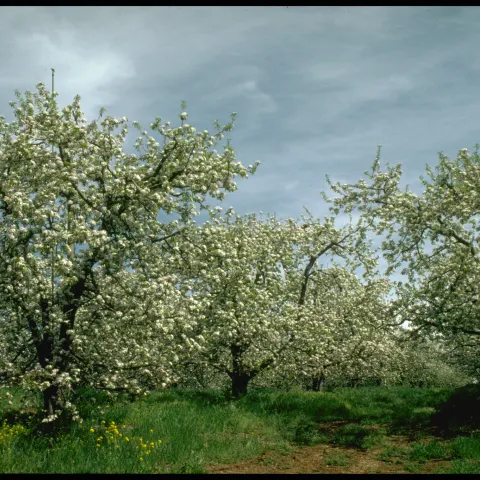
Full white blooms of apple trees in an orchard with a green orchard floor and a blue sky
UCCE Central Sierra Agriculture: Page

Central Sierra | Agriculture | Tree Crops

The Central Sierra foothills is full of many different micro-climates as well as elevations, which lends to the many different varieties of orchard crops grown throughout the region.
View Page
UCCE Central Sierra Agriculture: Page

Soils testing

The University of California does not provide soil or plant tissue testing services for growers. There are a number of laboratories that do provide this service. List of soil and plant tissue testing labs. List of labs that test for Red blotch.
View Page
UCCE Central Sierra Agriculture: Page

Contact Us

Contact information for the crop farm advisors of the area
View Page
UCCE Central Sierra Agriculture: Page

Central Sierra | Agriculture | New Farmers

Beginning Farming Academy, UCCE Placer/Nevada County webpage. Developing a Farm Map, ANR Publication #8062 Farm Management, UC Small Farms webpage Farm Start-UP, ATTRA website Marketing & Business Guide, ATTRA website Tax Guide: For owners and operators of small and medium sized farms.
View Page