A Natural Solution for California's Herds: African Catfish Peptides

California's cattle producers and agricultural communities are all too familiar with the rising challenge of antibiotic resistance, making common bacterial infections harder to treat in livestock. But imagine a future where we could tackle these infections with a natural, powerful alternative. Our research points to just that: antimicrobial peptides (AMPs) found in African catfish.

We're really excited about these peptides because African catfish thrive in pathogen-rich freshwater, naturally producing these robust immune compounds in their skin mucus as a defense. This natural origin makes them highly appealing alternatives to synthetic drugs.

Predicted Safety and Potent Action

One of the most compelling aspects of these AMPs is their predicted safety for mammals. Our initial computer analyses suggest that various catfish AMPs are generally recognized as safe (GRAS). We predict they'll be absorbed in the human intestine without causing liver, brain, or heart toxicity. Furthermore, lab tests on a promising peptide, NACAP-II, confirmed it was non-hemolytic, meaning it didn't damage rabbit red blood cells—a strong indicator of its potential safety for mammalian cells.

Beyond safety, these peptides demonstrate effectiveness against problematic bacteria. One study revealed NACAP-II's strong activity against Extended-Spectrum Beta-Lactamase (ESBL)-producing Escherichia coli—a critical concern for both animal and human health due to its resistance to many common antibiotics. Another peptide, ACAP-IV, also showed antibacterial activity against E. coli and Staphylococcus aureus. We believe these AMPs work by directly disrupting bacterial cell membranes, a mechanism that makes it harder for bacteria to develop resistance compared to how they resist traditional antibiotics.
Primary Image
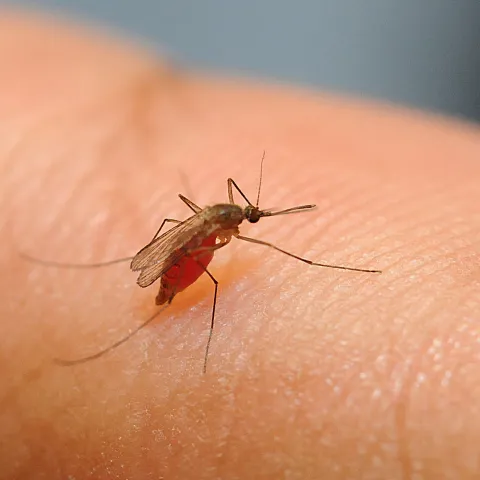
A mosquito, Culex quinquefasciatus, drawing blood. (Photo by Kathy Keatley Garvey)

UC Davis Researcher to Discuss St. Louis Encephalitis Virus

January 26, 2026
By Kathy Keatley Garvey
 "Most people infected with St. Louis encephalitis virus do not have symptoms," according to the Centers for Disease Control and Prevention. "Those people who do become ill may experience fever, headache, nausea, vomiting, and tiredness. Some people may develop neuroinvasive disease, such as…
View Article
Event Primary Image
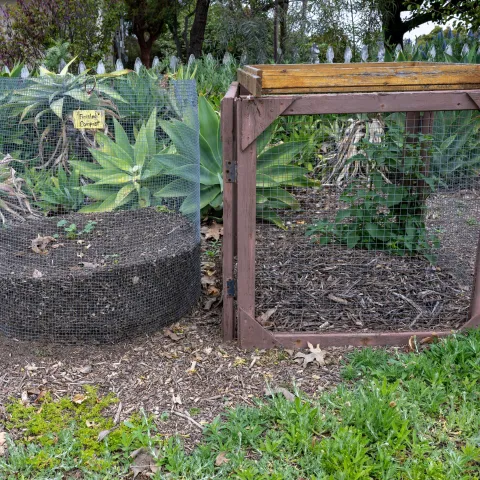
Green waste compost piled in a wire mesh container, next to mulch in a wood framed wire container.
Urban & Community IPM Webinars: Event

When Composting Goes Rotten

Event Date
Jun 18, 2026

Learn the common mishaps to avoid when composting as well as how to manage pests when they arrive. From maggots to rats to bears, the pests of compost piles CAN be successfully managed!
Urban & Community IPM Webinars
View Event
Event Primary Image
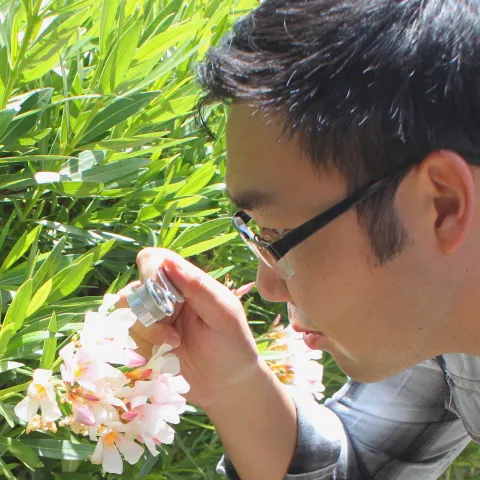
Young man examines a pinkish white flower on a green shrub with a hand lens.
Urban & Community IPM Webinars: Event

Test Your Pest ID Knowledge

Event Date
May 21, 2026

Join us for this fun and interactive session where we will “quiz” attendees on look-alike pests, what’s causing plant damage, good bug vs. bad bug, weed ID, and more.
Urban & Community IPM Webinars
View Event
Event Primary Image
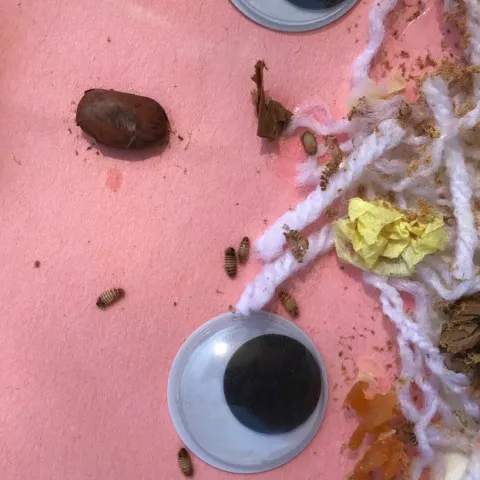
Carpet beetle larvae on pink paper, part of a kids art piece that used yarn, noodles, and beans.
Urban & Community IPM Webinars: Event

Spring Cleaning: Where Indoor Pests Could Be Hiding

Event Date
Apr 16, 2026

Indoor pests are not always found where you expect, join us to learn about the weird places you might encounter common pantry and indoor pests!
Urban & Community IPM Webinars
View Event
Article

This is how to grow tabasco peppers

January 26, 2026
This is how to grow Tabasco peppers.Lorem Ipsum is simply dummy text of the printing and typesetting industry. Lorem Ipsum has been the industry's standard dummy text ever since the 1500s, when an unknown printer took a galley of type and scrambled it to make a type specimen book. It has survived not only…
View Article
Event Primary Image
Rows of vegetables in a hoop house
UCCE in the County of San Luis Obispo: Event

Conservation Practices Field Day

Event Date
Feb 3, 2026

The Field Day will be held on Tuesday, February 3, 2026 from 8:30am - 3:00pm at Le Fort's Organic Farm in Creston, CA. Please see the agenda below.  Note: this event will be held entirely outdoors and walking on uneven ground will be a part of the agenda. If heavy rain is in the forecast, the event…
UCCE in the County of San Luis Obispo
View Event
Primary Image
A diverse group of people wearing jackets and backpacks stand side by side with their arms around each other, facing a lake surrounded by evergreen trees.

It Takes a Village: Managing Invasive Pests in California

January 26, 2026
By Lindsey Hack
Because California is a major hub for commerce and tourism, many non-native organisms, especially plants, insects, and other animals, are brought into our state every day, either accidently or on purpose. Most of them are harmless, but some are invasive species that have negative impact on the…
View Article
Event Primary Image
Farmers market
UC Master Gardeners of San Mateo & San Francisco Counties: Event

Master Gardener Education Table at the Divisadero Farmers' Market

Event Date
Jun 21, 2026

Visit the UC Master Gardener education table at the Divisadero Farmers’ Market. Master Gardener volunteers will be available to answer your gardening questions regarding plants, plant maintenance, soil, garden pests and more. Photo credit: Somi Jaiswal on Unsplash.com.
UC Master Gardeners of San Mateo & San Francisco Counties
View Event