A Natural Solution for California's Herds: African Catfish Peptides

California's cattle producers and agricultural communities are all too familiar with the rising challenge of antibiotic resistance, making common bacterial infections harder to treat in livestock. But imagine a future where we could tackle these infections with a natural, powerful alternative. Our research points to just that: antimicrobial peptides (AMPs) found in African catfish.

We're really excited about these peptides because African catfish thrive in pathogen-rich freshwater, naturally producing these robust immune compounds in their skin mucus as a defense. This natural origin makes them highly appealing alternatives to synthetic drugs.

Predicted Safety and Potent Action

One of the most compelling aspects of these AMPs is their predicted safety for mammals. Our initial computer analyses suggest that various catfish AMPs are generally recognized as safe (GRAS). We predict they'll be absorbed in the human intestine without causing liver, brain, or heart toxicity. Furthermore, lab tests on a promising peptide, NACAP-II, confirmed it was non-hemolytic, meaning it didn't damage rabbit red blood cells—a strong indicator of its potential safety for mammalian cells.

Beyond safety, these peptides demonstrate effectiveness against problematic bacteria. One study revealed NACAP-II's strong activity against Extended-Spectrum Beta-Lactamase (ESBL)-producing Escherichia coli—a critical concern for both animal and human health due to its resistance to many common antibiotics. Another peptide, ACAP-IV, also showed antibacterial activity against E. coli and Staphylococcus aureus. We believe these AMPs work by directly disrupting bacterial cell membranes, a mechanism that makes it harder for bacteria to develop resistance compared to how they resist traditional antibiotics.
UC Master Gardener Program of Sonoma County: Page

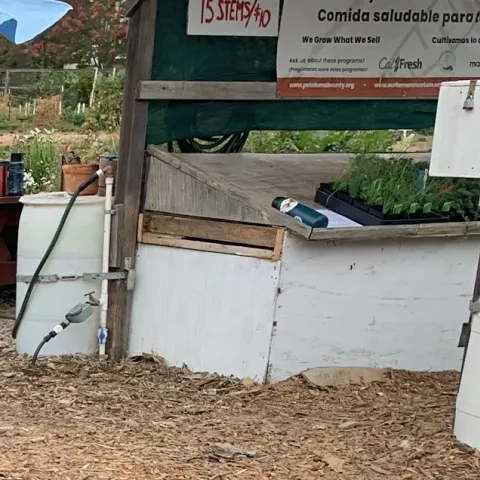
Bayer Farm Community

Food Garden Specialists Join the Bayer Farm Community Food Gardening Specialists volunteer at Bayer Farm. Pictured are Cheri Olhiser, Jan Bryant, Cie Cary, John WellsThere are a number of wonderful Sonoma County neighborhoods.
View Page
Primary Image
UC Master Gardener Program Spanish language pages
UC Master Gardener Program of Sonoma County: Page

En español

Aprende a convertir los desechos generados en tu jardn y los desechos generados en la cocina en una composta rica en nutrientes, la cual puedes utilizar como una enmienda de tierra o como mantillo en tu jardn.
View Page
UC Master Gardener Program of Sonoma County: Page

Eggpant

A member of the nightshade (Solanaceae) familyalong with tomatoes, tomatillos, peppers, and potatoeseggplant has been a staple in India and the Middle East for centuries. Its name is derived from the egg shape of its shiny fruit.
View Page
UC Master Gardener Program of Sonoma County: Page

Peppers

Peppers are members of the nightshade (Solanaceae) family along with tomatoes, eggplants, and potatoes. They require a long season of warm-hot weather before maturing in 2-3 months.
View Page
Primary Image
Winter Care for Sonoma County Home Gardens
UC Master Gardener Program of Sonoma County: Page

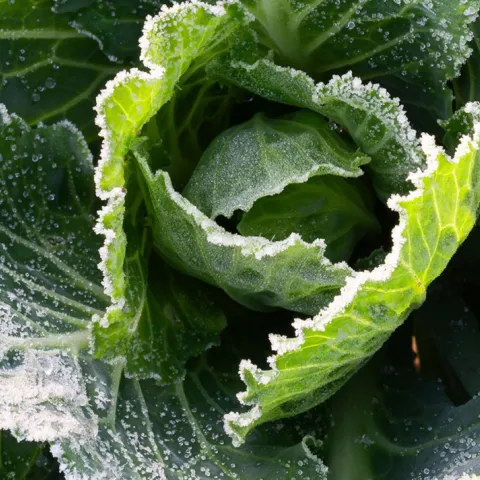
Winter Weather

Understanding Sonoma County's frost and hard freeze timing for the home gardener.
View Page
Primary Image
Food gardening with less water information for Sonoma County
UC Master Gardener Program of Sonoma County: Page

Food Gardening with Less Water

Find a video and additional resources to have a food garden in Sonoma County with limited available water, with tips to scale planting to your family’s likes and needs, and apply water-wise strategies to your vegetable garden.
View Page
Primary Image
Expert tips to grow Brussels sprouts for home gardeners
UC Master Gardener Program of Sonoma County: Page

Brussels Sprouts

Brussels sprouts, a member of the Brassicaceae (cabbage) family, had their origins in the Mediterranean region but received their familiar name only after they were widely grown in Belgium. They do best in coastal regions where they are grown commercially in California.
View Page
UC Master Gardener Program of Sonoma County: Page

Mint

Mint is wonderful in the garden as long as it is containedin a container! Planted in the ground, its creeping rhizomes take over, sending up many new stems, crowding out other plants, and becoming nearly impossible to eradicate.
View Page
UC Master Gardener Program of Sonoma County: Page

Spinach

Spinach can be one of the easiest crops to grow depending on the gardeners choice of planting times. It is fast-growing, short-lived, heat-sensitive, and dependent on adequate fertility.
View Page