A Natural Solution for California's Herds: African Catfish Peptides

California's cattle producers and agricultural communities are all too familiar with the rising challenge of antibiotic resistance, making common bacterial infections harder to treat in livestock. But imagine a future where we could tackle these infections with a natural, powerful alternative. Our research points to just that: antimicrobial peptides (AMPs) found in African catfish.

We're really excited about these peptides because African catfish thrive in pathogen-rich freshwater, naturally producing these robust immune compounds in their skin mucus as a defense. This natural origin makes them highly appealing alternatives to synthetic drugs.

Predicted Safety and Potent Action

One of the most compelling aspects of these AMPs is their predicted safety for mammals. Our initial computer analyses suggest that various catfish AMPs are generally recognized as safe (GRAS). We predict they'll be absorbed in the human intestine without causing liver, brain, or heart toxicity. Furthermore, lab tests on a promising peptide, NACAP-II, confirmed it was non-hemolytic, meaning it didn't damage rabbit red blood cells—a strong indicator of its potential safety for mammalian cells.

Beyond safety, these peptides demonstrate effectiveness against problematic bacteria. One study revealed NACAP-II's strong activity against Extended-Spectrum Beta-Lactamase (ESBL)-producing Escherichia coli—a critical concern for both animal and human health due to its resistance to many common antibiotics. Another peptide, ACAP-IV, also showed antibacterial activity against E. coli and Staphylococcus aureus. We believe these AMPs work by directly disrupting bacterial cell membranes, a mechanism that makes it harder for bacteria to develop resistance compared to how they resist traditional antibiotics.
Cooperative Extension Ventura County: Page

Past Issues

2024 December November October September August July June May April March February January 2023 December November October September August July June May April March February January 2022 December - November October September August July June May April March February January 2021 December November October…
View Page
Cooperative Extension Ventura County: Page

22nd Annual Strawberry Production Meeting

Breeding for Resistance to Soilborne Pathogens in Strawberry- UCD Strawberry Breeding Program Botrytis survey and macrophomina resitance screening Irrigation and Nitrogen management in Strawberry Ventura 2023 - Michael Cahn Regulatory Updates- Andy Calderwood, Deputy Ag Commissioner Sequential crop...
View Page
Mendocino County: Page

Orchard Notes Walnut Update

Tuesday, April 04, 2023 Scotts Valley Womens Club 2298 Hendricks Road, Lakeport (a wheelchair-accessible facility) Sponsored by: University of California Cooperative Extension (UCCE), Lake County Department of Agriculture, and California Walnut Board (CWB) (0.5 hour Laws and 1.
View Page
Mendocino County: Page

National Forage Testing Association

Post Office Box 451115 Omaha, Nebraska 68145-6115 Email: NFTA@COX.NET Web Site: www.foragetesting.org NFTA 2010 CERTIFIED LABORATORY FACILITIES NOTE: * Indicates laboratory elected not to report grade. A&L Western Agricultural Laboratories, Inc.
View Page
Mendocino County: Page

Returning Volunteer Enrollment

All 4-H volunteers must be appointed annually. If you are a current 4-H Adult Volunteer, to continue in the next year you need to re-apply and be re-appointed by December 15th of each year.
View Page
Primary Image
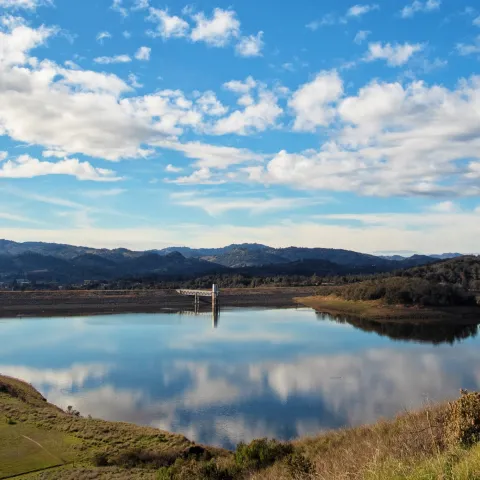
Lake Mendocino, photo from the U.S. Army Corps of Engineers
Mendocino County: Page

Water Resources Management

  The UC Cooperative Extension (UCCE) Water Resources Management Program partners with residents, tribes, farmers, water managers, and local organizations across Mendocino and Lake Counties to support healthy watersheds, sustainable water use, and climate-resilient communities.This work is led…
View Page
Mendocino County: Page

Forestry Workshop Splashpage

Acoustic equipment used to detect bats. Caught bat being examined. Thank you for your interest in attending this twilight walking field tour. Please select the link below to register for the tour location you would like to attend. Please plan to observe COVID safe practices. Includes a $10 fee.
View Page
Mendocino County: Page

Q & A with the Expert

It's Cooler in the Shade the what, when, why, and how to use vineyard shade netting Edited by Christopher Chen Guest - Lauren Marigliano When trying to implement a new practice, there are always questions that arise that have been overlooked.
View Page