A Natural Solution for California's Herds: African Catfish Peptides

California's cattle producers and agricultural communities are all too familiar with the rising challenge of antibiotic resistance, making common bacterial infections harder to treat in livestock. But imagine a future where we could tackle these infections with a natural, powerful alternative. Our research points to just that: antimicrobial peptides (AMPs) found in African catfish.

We're really excited about these peptides because African catfish thrive in pathogen-rich freshwater, naturally producing these robust immune compounds in their skin mucus as a defense. This natural origin makes them highly appealing alternatives to synthetic drugs.

Predicted Safety and Potent Action

One of the most compelling aspects of these AMPs is their predicted safety for mammals. Our initial computer analyses suggest that various catfish AMPs are generally recognized as safe (GRAS). We predict they'll be absorbed in the human intestine without causing liver, brain, or heart toxicity. Furthermore, lab tests on a promising peptide, NACAP-II, confirmed it was non-hemolytic, meaning it didn't damage rabbit red blood cells—a strong indicator of its potential safety for mammalian cells.

Beyond safety, these peptides demonstrate effectiveness against problematic bacteria. One study revealed NACAP-II's strong activity against Extended-Spectrum Beta-Lactamase (ESBL)-producing Escherichia coli—a critical concern for both animal and human health due to its resistance to many common antibiotics. Another peptide, ACAP-IV, also showed antibacterial activity against E. coli and Staphylococcus aureus. We believe these AMPs work by directly disrupting bacterial cell membranes, a mechanism that makes it harder for bacteria to develop resistance compared to how they resist traditional antibiotics.
Primary Image
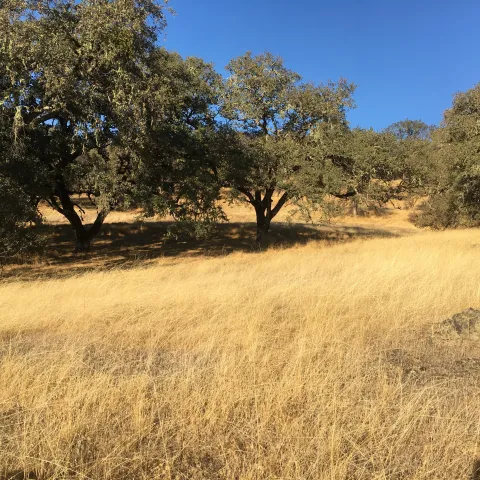
oak woodlands in summer
Mendocino County: Page

Oak Woodland Management

For comprehensive information on oak woodland management, please visit: UC Oaks UC Oaks provides science-based information on Californias oak woodland ecology, management, and conservation.
View Page
Mendocino County: Page

Workshops

Forestry Workshops Fire Workshops Master Gardener Workshops Sheep Shearing School Wool Classing School...
View Page
Mendocino County: Page

Master Gardener Workshops

Here you will find a list of workshops hosted by the UCCE Mendocino Master Gardeners. Please click on a specific workshop link to learn more about that workshop and get access to the resources from the workshop.
View Page
Mendocino County: Page

Shooting Sports

The program follows a standardized format and has developed a high-quality environment necessary for Positive Youth Development.
View Page
Primary Image
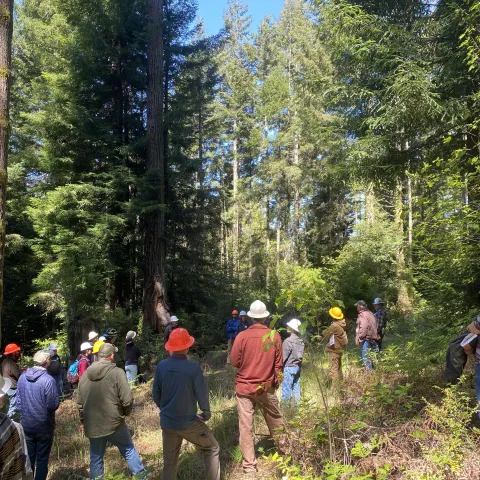
forestry professionals standing in a redwood forest for a workshop
Mendocino County: Page

Forestry Workshops

Join these workshops to understand and protect your forests by learning about forest stewardship and how to develop a Forest Management Plan or stewarding forests after disturbances. https://ucanr.
View Page
Mendocino County: Page

California Oak Health

In April 2020, UC Cooperative Extension with support from Sonoma State University, Center for Environmental Inquiry hosted a California Oak Health workshop for oak enthusiasts, landowners, natural resource managers, and foresters to discuss issues faced by Californias native oak trees and oak woodla...
View Page
Mendocino County: Page

Climate Smart Agriculture

The University of California Cooperative Extension (UCCE) is pleased to be working with the California Department of Food and Agriculture (CDFA) to provide technical assistance for the CDFA's Office of Environmental Farming and Innovation (OEFI) on Climate Smart Ag Programs.
View Page
Mendocino County: Page

4-H Fair Info

The CDFA statewide ban on poultry and dairy cattle exhibition is meant to mitigate the spread of the H5N1 virus by reducing exposure of uninfected flocks and dairy cattle herds at fairs and shows. This ban does not include restrictions on 4-H project meetings for poultry and dairy cattle.
View Page
Mendocino County: Page

Fundraising & Facility Use Agreements

1. Submit a Fundraising Approval Form - Minimum 2 weeks prior to Fundraiser -Should always have a Community Club Leader's signature in the 4-H Adult Volunteer portion -If Club President is unavailable to sign, the Project leader in charge may sign instead.
View Page
Mendocino County: Page

4-H Newsletters

MC 4-H January Newsletter 2024 MC 4-H April Newsletter 2024 MC 4-H May Newsletter 2024 MC 4-H July Newsletter 2024 MC 4-H August Newsletter 2024 4-H Mendocino County- Zones Map October 2024 MC 4-H November Newsletter 2024 4-H Leadership Unit Newsletter 2024 MC 4-H February Newsletter 2023 MC 4-H Apr...
View Page