A Natural Solution for California's Herds: African Catfish Peptides

California's cattle producers and agricultural communities are all too familiar with the rising challenge of antibiotic resistance, making common bacterial infections harder to treat in livestock. But imagine a future where we could tackle these infections with a natural, powerful alternative. Our research points to just that: antimicrobial peptides (AMPs) found in African catfish.

We're really excited about these peptides because African catfish thrive in pathogen-rich freshwater, naturally producing these robust immune compounds in their skin mucus as a defense. This natural origin makes them highly appealing alternatives to synthetic drugs.

Predicted Safety and Potent Action

One of the most compelling aspects of these AMPs is their predicted safety for mammals. Our initial computer analyses suggest that various catfish AMPs are generally recognized as safe (GRAS). We predict they'll be absorbed in the human intestine without causing liver, brain, or heart toxicity. Furthermore, lab tests on a promising peptide, NACAP-II, confirmed it was non-hemolytic, meaning it didn't damage rabbit red blood cells—a strong indicator of its potential safety for mammalian cells.

Beyond safety, these peptides demonstrate effectiveness against problematic bacteria. One study revealed NACAP-II's strong activity against Extended-Spectrum Beta-Lactamase (ESBL)-producing Escherichia coli—a critical concern for both animal and human health due to its resistance to many common antibiotics. Another peptide, ACAP-IV, also showed antibacterial activity against E. coli and Staphylococcus aureus. We believe these AMPs work by directly disrupting bacterial cell membranes, a mechanism that makes it harder for bacteria to develop resistance compared to how they resist traditional antibiotics.
UC Master Gardener Program of Alameda County: Page

Your Alameda County Garden, Month-by-Month

Explore month-by-month gardening in Alameda County with expert tips and advice. Keep your garden thriving year-round with ACMG’s detailed monthly guides.
View Page
UC Master Gardener Program of Alameda County: Page

Plant Pests and Diseases

Learn how to manage plant pests and diseases with UC Master Gardeners. Find expert tips and solutions to protect your garden from common threats.
View Page
UC Master Gardener Program of Alameda County: Page

Outstanding Plants for Alameda County

Explore outstanding plants for Alameda County with UC Master Gardeners. Find top recommendations for thriving gardens in your local climate.
View Page
UC Master Gardener Program of Alameda County: Page

Alameda County Demonstration Gardens

Discover the UC Master Gardener Program's demonstration gardens in Alameda, showcasing sustainable gardening practices and techniques for home gardeners.
View Page
UC Master Gardener Program of Alameda County: Page

School Gardens

As advocates for school gardens, we've curated resources to assist teachers, administrators, parents, and others who want to install, rejuvenate, or maintain a garden at their local school.
View Page
UC Master Gardener Program of Alameda County: Page

Starting a School Garden

This page provides resources on how to start a school garden or update an existing plot.
View Page
UC Master Gardener Program of Alameda County: Page

Blog - Alameda County Over The Fence

October, 2023 marks the start of a new blog platform. You can find new blogs and popular topics above and even subscribe to receive our blogs in your inbox when newly published. Our previous blogs cover a variety of topics that are of interest to Alameda County gardeners.
View Page
Primary Image
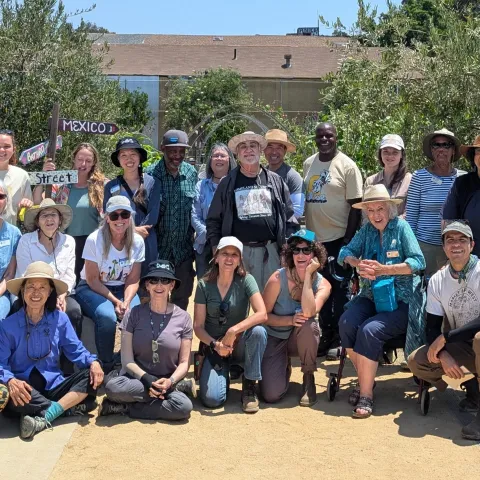
Master gardener volunteers pose for a group photo after an educational volunteer project
UC Master Gardener Program of Alameda County: Page

Master Gardener Volunteer Training Program

Learn how to become a UC Master Gardener volunteer and help your community grow. Join our program to gain expert gardening knowledge and skills.
View Page