A Natural Solution for California's Herds: African Catfish Peptides

California's cattle producers and agricultural communities are all too familiar with the rising challenge of antibiotic resistance, making common bacterial infections harder to treat in livestock. But imagine a future where we could tackle these infections with a natural, powerful alternative. Our research points to just that: antimicrobial peptides (AMPs) found in African catfish.

We're really excited about these peptides because African catfish thrive in pathogen-rich freshwater, naturally producing these robust immune compounds in their skin mucus as a defense. This natural origin makes them highly appealing alternatives to synthetic drugs.

Predicted Safety and Potent Action

One of the most compelling aspects of these AMPs is their predicted safety for mammals. Our initial computer analyses suggest that various catfish AMPs are generally recognized as safe (GRAS). We predict they'll be absorbed in the human intestine without causing liver, brain, or heart toxicity. Furthermore, lab tests on a promising peptide, NACAP-II, confirmed it was non-hemolytic, meaning it didn't damage rabbit red blood cells—a strong indicator of its potential safety for mammalian cells.

Beyond safety, these peptides demonstrate effectiveness against problematic bacteria. One study revealed NACAP-II's strong activity against Extended-Spectrum Beta-Lactamase (ESBL)-producing Escherichia coli—a critical concern for both animal and human health due to its resistance to many common antibiotics. Another peptide, ACAP-IV, also showed antibacterial activity against E. coli and Staphylococcus aureus. We believe these AMPs work by directly disrupting bacterial cell membranes, a mechanism that makes it harder for bacteria to develop resistance compared to how they resist traditional antibiotics.
Santa Cruz County: Page

Achievements & Recognation Resources

In 4-H we recognize youth as they develop skills and knowledge. The following is a list of commonly used 4-H awards and pins. This list provides information regarding the program level at which each award may be earned, as well as how to purchase them.
View Page
Santa Cruz County: Page

Table of Content

4-H On-line enrollment 4-H on-line payment process 4-H adult leader training enrollment key "SantaCruz" Standing Rules in Santa Cruz county 4-H program Achievements & Recognitions Resources County Ambassador Application & requirements Personal Development Medal Interview 4-H Project Proficiency 4-H...
View Page
Santa Cruz County: Page

Climate Smart Agriculture

Climate Smart Agriculture (CSA) addresses the risk that the agriculture industry faces due to changing climate conditions. It encompasses management practices that increase soil carbon, reduce greenhouse gas emissions, improve on-farm efficiencies, and promote sustainable land practices.
View Page
Santa Cruz County: Page

Online 4-H Project Resources

We are providing on-line support to 4-H project leaders and 4-Hers with resources to engage learning while at home. If you have any questions please contact the 4-H office for more details or help in obtaining additional 4-H resources.
View Page
Santa Cruz County: Page

Inspiring Video & Recipes from 4-H Community

Quail Creek 4-H Virtual Petting Zoo Video Quail Creek 4-H families would like to thank all the first responders and families shelter in place to keep our community safe. We understand the struggles and hardship this is causing our community.
View Page
Santa Cruz County: Page

Presentation Day

Open to San Benito, Santa Cruz, & Monterey counties IN PERSON Date: March 2025 8:45 am to 12:30 pm Hollister Veteran's Memorial Building 649 San Benito St, Hollister, CA 95023 Event is held upstairs Deadline to register March 2025 Schedule: Evaluators arriving at 8:15 am Presenters checking in start...
View Page
Santa Cruz County: Page

Monitoring Resources, Protocols, and Gear Share

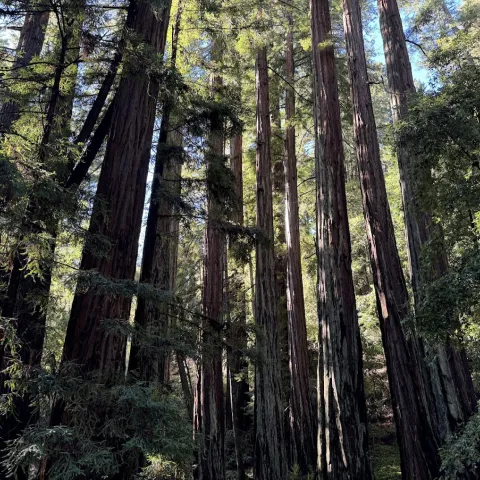
The Santa Cruz Long Term Forest Stewardship Monitoring Program provides tools and best practices for California Central Coast land managers, researchers, and practitioners to collect consistent, high-quality forest monitoring data over time. The program currently provides a standardized intensive monitoring…
View Page