A Natural Solution for California's Herds: African Catfish Peptides

California's cattle producers and agricultural communities are all too familiar with the rising challenge of antibiotic resistance, making common bacterial infections harder to treat in livestock. But imagine a future where we could tackle these infections with a natural, powerful alternative. Our research points to just that: antimicrobial peptides (AMPs) found in African catfish.

We're really excited about these peptides because African catfish thrive in pathogen-rich freshwater, naturally producing these robust immune compounds in their skin mucus as a defense. This natural origin makes them highly appealing alternatives to synthetic drugs.

Predicted Safety and Potent Action

One of the most compelling aspects of these AMPs is their predicted safety for mammals. Our initial computer analyses suggest that various catfish AMPs are generally recognized as safe (GRAS). We predict they'll be absorbed in the human intestine without causing liver, brain, or heart toxicity. Furthermore, lab tests on a promising peptide, NACAP-II, confirmed it was non-hemolytic, meaning it didn't damage rabbit red blood cells—a strong indicator of its potential safety for mammalian cells.

Beyond safety, these peptides demonstrate effectiveness against problematic bacteria. One study revealed NACAP-II's strong activity against Extended-Spectrum Beta-Lactamase (ESBL)-producing Escherichia coli—a critical concern for both animal and human health due to its resistance to many common antibiotics. Another peptide, ACAP-IV, also showed antibacterial activity against E. coli and Staphylococcus aureus. We believe these AMPs work by directly disrupting bacterial cell membranes, a mechanism that makes it harder for bacteria to develop resistance compared to how they resist traditional antibiotics.
UC Master Gardeners of Placer County: Article

Pomegranates

December 18, 2025
By Trish Grenfell, UC Master Gardeners of Placer County Q: Several months ago, I bought a home with a pomegranate tree, and I can see fruit growing on the tree now. How can I tell when they are ripe?   A: Pomegranates are ripe in early autumn: October and November. The timing of ripe…
View Article
UC Master Gardeners of Placer County: Article

Dormant Spraying of Fruit Trees

December 18, 2025
Gay Wilhelm, UC Master Gardeners of Placer CountyFrom The Curious Gardener, Winter 2010During the winter months, the garden is put to bed. Catalogs of helpful gardening tips and direction, that once were studied daily, pile up as you shift gears and begin planning for the holidays. Sitting by the…
View Article
UC ANR Policy Institute: Article

Valachovic Joins UC ANR Policy Institute

December 18, 2025
By Anne M Megaro
 I am pleased to announce that Yana Valachovic has joined the UC ANR Policy Institute as Interim Associate Director for Natural Ecosystems and Working Landscapes. In 2000, Yana joined UC Cooperative Extension (UCCE) as a Forest Advisor, and in 2009, she took on the additional role as the UCCE Director…
View Article
UC Master Gardeners of Placer County: Article

Bare Root Fruit & Nut Trees

December 18, 2025
By Gay Wilhelm and Trish Grenfell, UC Master Gardeners of Placer CountyQ: In 2009, I vowed to eat better and save money by growing my own fruit and nut trees. When is the best time to buy these trees? Any helpful hints to pass along? A: Bare root fruit and nut trees should be appearing in local…
View Article
UC Master Gardeners of Placer County: Article

Blueberries in the Home Garden

December 18, 2025
By Sharon Ross, UC Master Gardeners of Placer CountyFrom The Curious Gardener, Spring 2008Blueberries, native to the US, are not only an excellent food source but also the clusters of white flowers in the spring make them a pleasing ornamental as well.Before considering blueberries for the garden, check the…
View Article
UC Master Gardeners of Placer County: Article

To Be or Not to Be: The American Lawn

December 18, 2025
By Tish Grenfell, UC Master Gardeners of Placer County Q: I know that a lot of people are tearing out their lawn. Should I do that, and, if so, what can I plant instead?A: First, examine your reasons for having a lawn. Grass can be difficult, needing plentiful water, fertilizer, weed killers, pesticides…
View Article
UC Master Gardeners of Placer County: Article

Stopping Crabgrass Before It Starts

December 18, 2025
By Gay Wilhelm and Trish Grenfell, UC Master Gardeners of Placer County Q: What can I do to stop crab grass in my lawn? A: Who hasn’t done combat with crabgrass? But there is help and NOW is the time to take action. Using a pre-emergent herbicide in mid to late February will help…
View Article
Event Primary Image
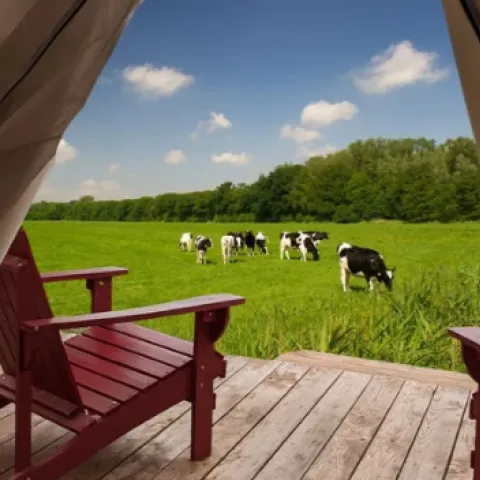
chairs on a deck overlooking a field with cows grazing
Grown in Marin: Event

Are YOU Ready to Host a Farmstay?

Event Date
Mar 10, 2026

Join us for an inspiring and informative session as Elizabeth shares her experience of hosting a farmstay on her partner's 5th-generation family farm since 2020. From the first seeds of the idea to building a unique guest experience rooted in heritage and hospitality, this webinar offers an authentic behind…
Grown in Marin
View Event
Event Primary Image
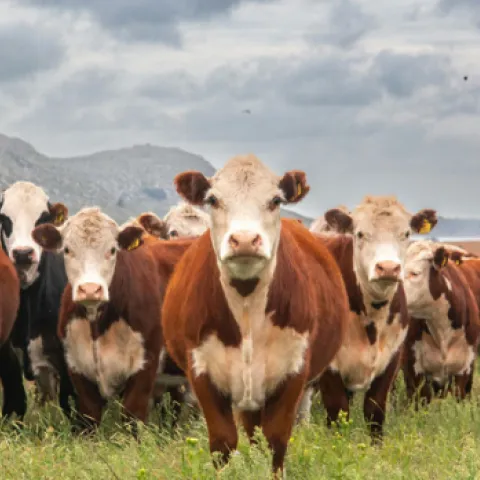
cows in a field
Grown in Marin: Event

Intro to Farm Animal Welfare Certifications in 2026

Event Date
Feb 10, 2026

In this webinar, we’ll learn the basics of farm animal welfare certification programs- what they are, the differences between existing programs, the value of certification, how to become certified, and funding opportunities to help you achieve certification. Whether you’re already seriously considering…
Grown in Marin
View Event