A Natural Solution for California's Herds: African Catfish Peptides

California's cattle producers and agricultural communities are all too familiar with the rising challenge of antibiotic resistance, making common bacterial infections harder to treat in livestock. But imagine a future where we could tackle these infections with a natural, powerful alternative. Our research points to just that: antimicrobial peptides (AMPs) found in African catfish.

We're really excited about these peptides because African catfish thrive in pathogen-rich freshwater, naturally producing these robust immune compounds in their skin mucus as a defense. This natural origin makes them highly appealing alternatives to synthetic drugs.

Predicted Safety and Potent Action

One of the most compelling aspects of these AMPs is their predicted safety for mammals. Our initial computer analyses suggest that various catfish AMPs are generally recognized as safe (GRAS). We predict they'll be absorbed in the human intestine without causing liver, brain, or heart toxicity. Furthermore, lab tests on a promising peptide, NACAP-II, confirmed it was non-hemolytic, meaning it didn't damage rabbit red blood cells—a strong indicator of its potential safety for mammalian cells.

Beyond safety, these peptides demonstrate effectiveness against problematic bacteria. One study revealed NACAP-II's strong activity against Extended-Spectrum Beta-Lactamase (ESBL)-producing Escherichia coli—a critical concern for both animal and human health due to its resistance to many common antibiotics. Another peptide, ACAP-IV, also showed antibacterial activity against E. coli and Staphylococcus aureus. We believe these AMPs work by directly disrupting bacterial cell membranes, a mechanism that makes it harder for bacteria to develop resistance compared to how they resist traditional antibiotics.
UC Master Gardeners of Placer County: Article

Preventing Japanese Maple Sunburn

December 18, 2025
By Laurie Meyerpeter, Master Gardeners of Placer County Q: I just bought a Japanese maple from a nursery. The nursery said it is a sun-tolerant variety but when I planted it in my yard last July, in an area where it receives full sun, it got severely burned. Why?A: Japanese maples are very…
View Article
UC Master Gardeners of Placer County: Article

Oak Tree Leaf Drop

December 18, 2025
By Trish Grenfell, Master Gardeners of Placer County Q: Our Blue Oak trees on the perimeter of our property are losing much of their leaves. I know they are deciduous trees but their leaves normally don’t drop until the fall. Do you know what could be the cause? I fear it is Sudden Oak Death.A:…
View Article
Event Primary Image
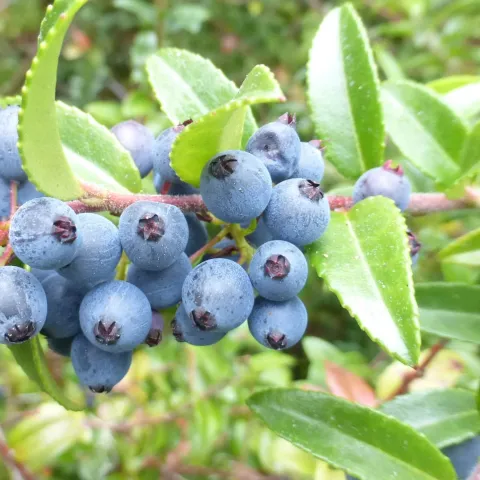
blueberries on a bush
Grown in Marin: Event

California Native Plant Foods Celebration and Symposium

Event Date
Feb 10, 2026

California's Native plants are more than just a resource; they are our living link between culture, health, and the land. For millennia, Indigenous peoples have stewarded hundreds of these plants for food, medicine, and fiber, cultivating a vast, biodiverse ecosystem. Today, Native practitioners continue to…
Grown in Marin
View Event
Event Primary Image
Seed packets
UC Marin Master Gardeners: Event

Belvedere-Tiburon Library Seed Swap

Event Date
Feb 21, 2026

Program: This seed swap and plant exchange will feature vegetable, herb and ornamental seeds. We will discuss what to plant in the spring/summer garden including seeds for pollinators. There will be planting activities for all ages.Cost: FREESponsors: Marin Master Gardeners and Friends of Bel-Tib…
UC Marin Master Gardeners
View Event
Event Primary Image
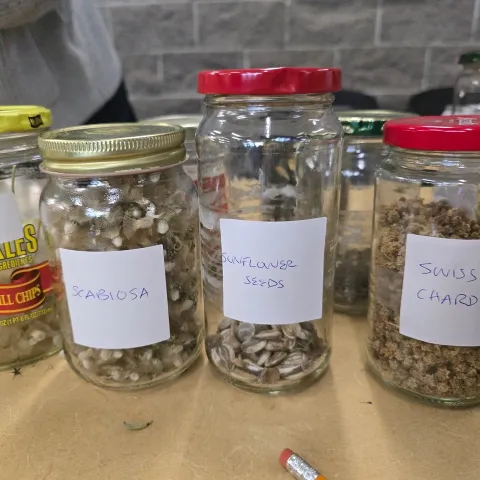
seeds in jars
UC Marin Master Gardeners: Event

Fairfax Library Spring Seed Swap

Event Date
Mar 14, 2026

Program: Get ready for your summer garden by exchanging seeds and plants with your neighbors. Marin Master Gardeners will share seeds of vegetables, herbs and pollinator plants and answer your gardening questions. There will be planting activities for all ages.Cost: FREESponsors: Marin Master Gardeners and…
UC Marin Master Gardeners
View Event
Event Primary Image
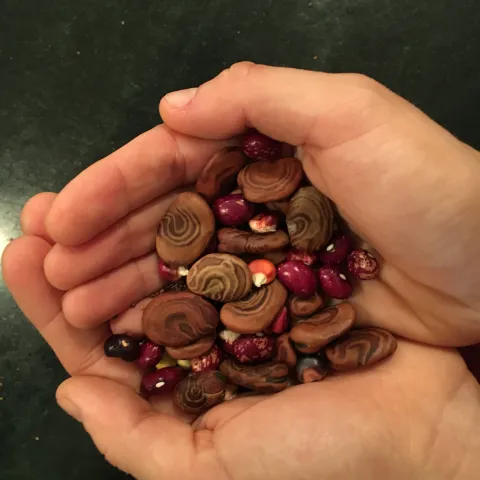
Saving and swapping seeds is an ancient tradition that protects biodiversity. Photo: Marie Narlock
UC Marin Master Gardeners: Event

Celebration of National Seed Swap Day and Opening of San Rafael Library's Seed Library

Event Date
Jan 31, 2026

Program: The Marin Master Gardeners and the San Rafael Public Library celebrate National Seed Swap Day at the opening of the San Rafael Library's seed library. There will be a seed swap and plant exchange along with planting tips and planting activities organized by the Marin Master Gardeners. Learn about…
UC Marin Master Gardeners
View Event
Primary Image
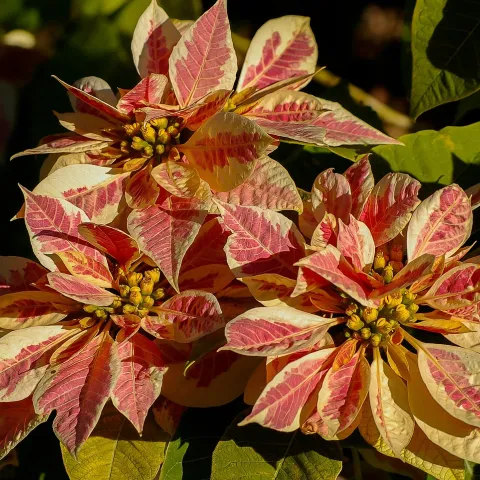
pink and yellow variegated poinsettia plant
Under the Solano Sun: Article

Poinsettias: Part 1-Are They Poisonous?

December 18, 2025
By Jennifer M Baumbach
Blog by Paula PashbyI love the winter season, and I always know that winter is upon us when I start seeing the beautiful Poinsettias, Euphorbia pulcherrima, everywhere.  They are hard to miss, with their vibrant red, white, and pink specialized leaves. I buy a Poinsettia every year and place it as…
View Article
Primary Image
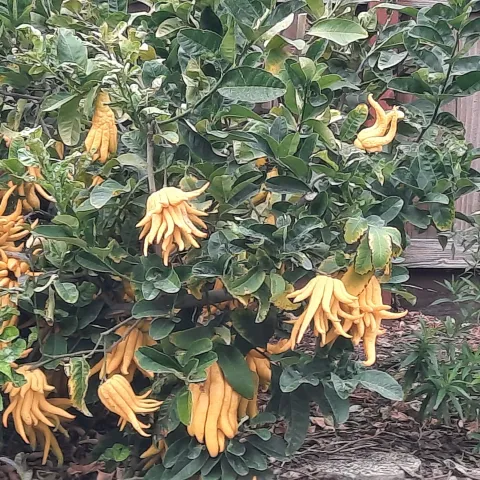
Buddhas hand citrus on the tree
The Stanislaus Sprout: Article

Exploring the World of Unusual Citrus

December 18, 2025
By Anne E Schellman
California’s climate is a citrus grower’s dream, but beyond the familiar oranges, lemons, and limes lies a fascinating world of lesser-known citrus. Many of these fruits have deep cultural roots, unique flavors, and surprising uses — from culinary delights to ornamental beauty. Here are some of the most…
View Article
Primary Image
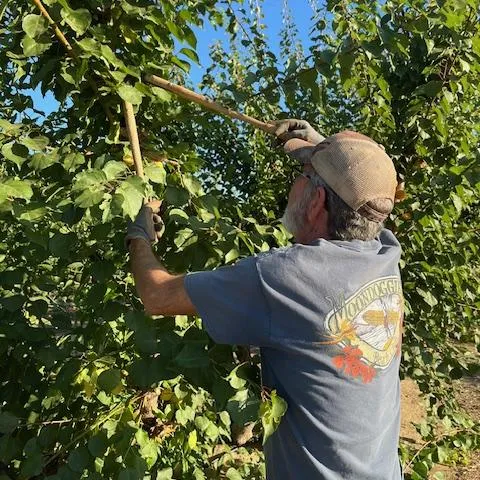
Master Gardener pruning an apricot tree in summer

Cut Those Overgrown Fruit Trees Down To Size

December 18, 2025
By Anne E Schellman
 During my time as the Horticulture Advisor for UC Cooperative Extension (UCCE) in Stanislaus County (1978-2011), I frequently received questions from gardeners asking what to do about neglected and/or overgrown deciduous (trees that lose their leaves each year) fruit trees such as peach, plum, and…
View Article