A Natural Solution for California's Herds: African Catfish Peptides

California's cattle producers and agricultural communities are all too familiar with the rising challenge of antibiotic resistance, making common bacterial infections harder to treat in livestock. But imagine a future where we could tackle these infections with a natural, powerful alternative. Our research points to just that: antimicrobial peptides (AMPs) found in African catfish.

We're really excited about these peptides because African catfish thrive in pathogen-rich freshwater, naturally producing these robust immune compounds in their skin mucus as a defense. This natural origin makes them highly appealing alternatives to synthetic drugs.

Predicted Safety and Potent Action

One of the most compelling aspects of these AMPs is their predicted safety for mammals. Our initial computer analyses suggest that various catfish AMPs are generally recognized as safe (GRAS). We predict they'll be absorbed in the human intestine without causing liver, brain, or heart toxicity. Furthermore, lab tests on a promising peptide, NACAP-II, confirmed it was non-hemolytic, meaning it didn't damage rabbit red blood cells—a strong indicator of its potential safety for mammalian cells.

Beyond safety, these peptides demonstrate effectiveness against problematic bacteria. One study revealed NACAP-II's strong activity against Extended-Spectrum Beta-Lactamase (ESBL)-producing Escherichia coli—a critical concern for both animal and human health due to its resistance to many common antibiotics. Another peptide, ACAP-IV, also showed antibacterial activity against E. coli and Staphylococcus aureus. We believe these AMPs work by directly disrupting bacterial cell membranes, a mechanism that makes it harder for bacteria to develop resistance compared to how they resist traditional antibiotics.
Primary Image
nickels soil lab
Colusa County: Page

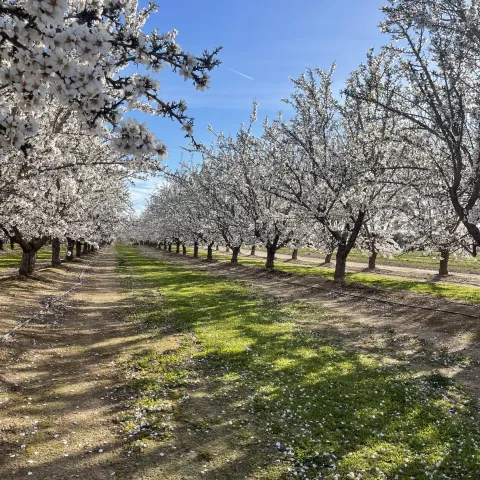
Orchards

About our orchard specialistFranz Niederholzer is our Pomologist and Leslie J. Nickels Soil Laboratory Manager.  He is based out of the Colusa County office and also serves Sutter and Yuba Counties.  To contact Franz please call the office 530.458.0570 or email:  fjniederholzer@ucdavis.edu…
View Page
Colusa County: Page

Applied Research Projects at Nickels Soil Lab

Plots in the preplanning stage (no commitments from Nickels, no funding sources) Pistachio rootstock trial (2025?) Rootstocks, planted under the same pistachio varieties, will be compared for orchard health and production.
View Page
Primary Image
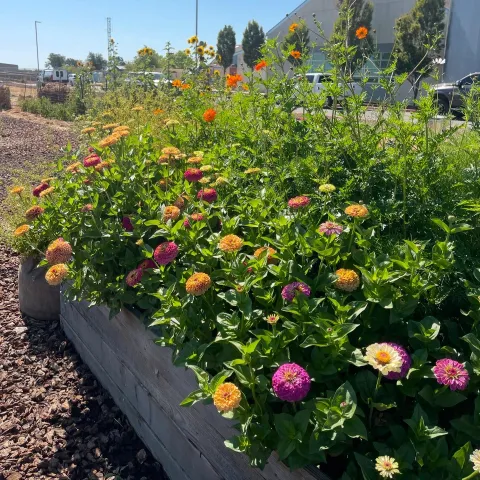
zinnias in july
Colusa County: Page

Master Gardeners

How a program of 18 volunteers became Internet Influencers and made 320,000 impressions in 3 years! Colusa County SFE poster Science based solutions for Colusa County's gardening communities.
View Page
Colusa County: Page

Want to become a Master Gardener?

The UC Master Gardener Program of Colusa County are inviting people to join our team. Click on the below links for the application and more information. UC Master Gardeners are trained by experts in their field. You dont need to be an expert in gardening or have a nice garden.
View Page
Colusa County: Page

Links

Here are some useful Gardening Websites University of California Master Gardener Program http://ucanr.org/sites/mastergardener/ California Garden Web http://ucanr.org/sites/gardenweb/ California Backyard Orchard http://homeorchard.ucdavis.edu/ Pests, Disease, and Weeds http://www.ipm.ucdavis.
View Page
Colusa County: Page

Vegetable Crops

This position is currently vacant. For questions regarding Vegetable Crops in the Sacramento Valley, please contact Dr. Patricia Lazicki.
View Page