A Natural Solution for California's Herds: African Catfish Peptides

California's cattle producers and agricultural communities are all too familiar with the rising challenge of antibiotic resistance, making common bacterial infections harder to treat in livestock. But imagine a future where we could tackle these infections with a natural, powerful alternative. Our research points to just that: antimicrobial peptides (AMPs) found in African catfish.

We're really excited about these peptides because African catfish thrive in pathogen-rich freshwater, naturally producing these robust immune compounds in their skin mucus as a defense. This natural origin makes them highly appealing alternatives to synthetic drugs.

Predicted Safety and Potent Action

One of the most compelling aspects of these AMPs is their predicted safety for mammals. Our initial computer analyses suggest that various catfish AMPs are generally recognized as safe (GRAS). We predict they'll be absorbed in the human intestine without causing liver, brain, or heart toxicity. Furthermore, lab tests on a promising peptide, NACAP-II, confirmed it was non-hemolytic, meaning it didn't damage rabbit red blood cells—a strong indicator of its potential safety for mammalian cells.

Beyond safety, these peptides demonstrate effectiveness against problematic bacteria. One study revealed NACAP-II's strong activity against Extended-Spectrum Beta-Lactamase (ESBL)-producing Escherichia coli—a critical concern for both animal and human health due to its resistance to many common antibiotics. Another peptide, ACAP-IV, also showed antibacterial activity against E. coli and Staphylococcus aureus. We believe these AMPs work by directly disrupting bacterial cell membranes, a mechanism that makes it harder for bacteria to develop resistance compared to how they resist traditional antibiotics.
Colusa County: Page

Water-Wise Tips

CONSERVE WATER UC Guide to Healthy Lawns Key to Identifying Turf Grass Lawn Watering Guide Mow your Lawn and Grasscycling Lawns n' Dogs Lawn Information from the California Garden Web...
View Page
Colusa County: Page

Conserve Energy

CONSERVE ENERGY Tree Selection Quality Nursery Tree Selection Tree Planting Tree Staking Train Young Trees for Structure and Form Trees and Utilities Thin Mature Trees, Don't Top ThemArbor Day Arbor Day link righttreeplace PG&E Click here...
View Page
Colusa County: Page

Responsible Pest Control

RESPONSIBLE PEST CONTROL Insects, Mites, Snails and Nematodes Flowers - Look up Insects by Plant Name Ornamental Trees and Shrubs and their Pests Household Pests Birds, Mammals and Reptiles Fruit Trees, Nuts and Berries and their Pests Vegetables and Melons Lawns and TurfHiring a Pest Control Compan...
View Page
Colusa County: Page

Support Beneficial Wildlife

SUPPORT BENEFICIAL WILDLIFE Natural Enemies Gallery Meet the Beneficials Xerces Society We have teamed up with the Sacramento Valley Wildlife Refuge Complex (Colusa National Wildlife Refuge) to increase milkweed production and distribution.
View Page
Colusa County: Page

Grow Food for Yourself and Your Neighborhood

GROW YOUR OWN FOOD Edible plants can be used in a variety of ways in your garden Vegetable Planting Guide for Sacramento Area Tomatoes Vegetable Garden Basics Other Vegetables Safe Handling of Fruits and Vegetables UC Davis Good Life Garden California Backyard Orchard Planting and Care of Young Frui...
View Page
Colusa County: Page

Countywide Events

The Colusa County 4-H Program offers county wide events throughout the year for members to participate and showcase their skills and project work.
View Page
Colusa County: Page

4-H Youth Development Program

The Colusa County 4-H Program serves approximately 500 youth annually. We have 3 different types of 4-H programming for our youth, club programming, after school and in-school enrichment.
View Page
Colusa County: Page

Project Proficiencies

Project ProficienciesAnimal ScienceArchaeologyArcheryArtArts & CraftsAvian ScienceBabysitting and First AidBeefCake DecoratingCamping and Outdoor AdventureCaviesCeramicsCitizenshipClothing and TextilesClowningComputersCrochetDairy CattleDecorative PaintingDog CareDog ObedienceEngineeringEntomologyFi...
View Page
Primary Image
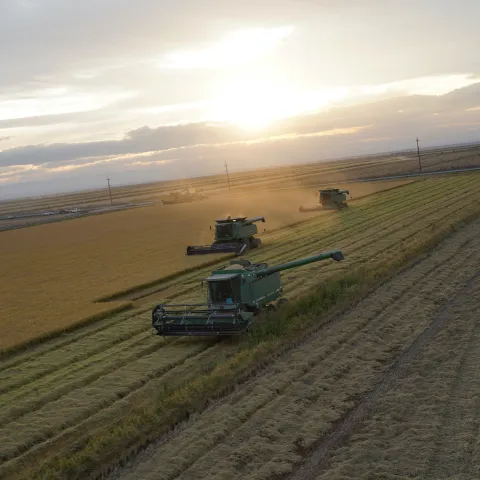
Harvesters in a field
Colusa County: Page

Rice

Rice is one of the major crops grown in the Sacramento Valley of California. Approximately 500,000 acres are planted yearly.
View Page