A Natural Solution for California's Herds: African Catfish Peptides

California's cattle producers and agricultural communities are all too familiar with the rising challenge of antibiotic resistance, making common bacterial infections harder to treat in livestock. But imagine a future where we could tackle these infections with a natural, powerful alternative. Our research points to just that: antimicrobial peptides (AMPs) found in African catfish.

We're really excited about these peptides because African catfish thrive in pathogen-rich freshwater, naturally producing these robust immune compounds in their skin mucus as a defense. This natural origin makes them highly appealing alternatives to synthetic drugs.

Predicted Safety and Potent Action

One of the most compelling aspects of these AMPs is their predicted safety for mammals. Our initial computer analyses suggest that various catfish AMPs are generally recognized as safe (GRAS). We predict they'll be absorbed in the human intestine without causing liver, brain, or heart toxicity. Furthermore, lab tests on a promising peptide, NACAP-II, confirmed it was non-hemolytic, meaning it didn't damage rabbit red blood cells—a strong indicator of its potential safety for mammalian cells.

Beyond safety, these peptides demonstrate effectiveness against problematic bacteria. One study revealed NACAP-II's strong activity against Extended-Spectrum Beta-Lactamase (ESBL)-producing Escherichia coli—a critical concern for both animal and human health due to its resistance to many common antibiotics. Another peptide, ACAP-IV, also showed antibacterial activity against E. coli and Staphylococcus aureus. We believe these AMPs work by directly disrupting bacterial cell membranes, a mechanism that makes it harder for bacteria to develop resistance compared to how they resist traditional antibiotics.
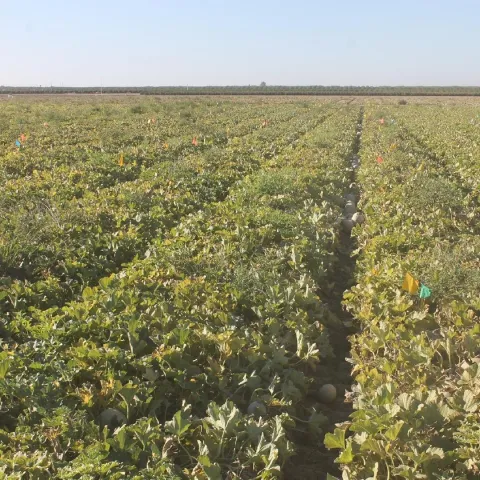
Fresno County Vegetable Crops: Page

Meeting Presentations

Tomato spotted wilt virus, Thrips, Control and Variety Susceptibility Drip Irrigated Double-row Tomatoes on 80-inch Beds Melon Disease Upddate: Diagnosis and Control UC Vegetable Crops Research Update Tomato spotted wilt virus, Thrips Powdery Mildew Control in Tomatoes Evaluating fertilizer forms an...
View Page
Fresno County Vegetable Crops: Page

Soils and Irrigation

Well water quality and elements of interpreting Pump and well efficiency Maintaining Microirrigation Systems When Usisng Well water Effects of salinity and water stress on vegetable crops Crop Response to high salinity well waterse Controlling Soil Salinity...
View Page
Fresno County Vegetable Crops: Page

Topics Covered

Fusarium diseases of tomato Mike Davis - UC Davis, Department of Plant Pathology Fusarium diseases of tomato field experiences & variety response Gene Miyao - UCCE, Yolo, Solano, and Sacramento Counties Managing stink bugs through cultural practices Rachel Long - UCCE, Yolo, Solano and Sacramento Co...
View Page
UC Weed Research & Information Center: Page

Aquatic Weed School

September 2-3, 2020 UC Davis Bowley Plant Science Teaching Facility 1200 Extension Center Drive Davis, CA The Aquatic Weed School is an intensive two-day course focusing on issues associated with developing weed management strategies in a variety of aquatic ecosystems.
View Page
UC Weed Research & Information Center: Page

Diagnosing Herbicide Symptoms course

July 14-15, 2020 UC Davis Bowley Plant Science Teaching Facility 1200 Extension Center Drive Davis, CA The Diagnosing Herbicide Symptoms is an intensive 1.
View Page
UC Weed Research & Information Center: Page

by SPECIFIC weed

Pest Notes are the University of California's official guidelines for pest monitoring techniques, pesticides, and non-pesticide alternatives for managing pests in homes and landscapes.
View Page