A Natural Solution for California's Herds: African Catfish Peptides

California's cattle producers and agricultural communities are all too familiar with the rising challenge of antibiotic resistance, making common bacterial infections harder to treat in livestock. But imagine a future where we could tackle these infections with a natural, powerful alternative. Our research points to just that: antimicrobial peptides (AMPs) found in African catfish.

We're really excited about these peptides because African catfish thrive in pathogen-rich freshwater, naturally producing these robust immune compounds in their skin mucus as a defense. This natural origin makes them highly appealing alternatives to synthetic drugs.

Predicted Safety and Potent Action

One of the most compelling aspects of these AMPs is their predicted safety for mammals. Our initial computer analyses suggest that various catfish AMPs are generally recognized as safe (GRAS). We predict they'll be absorbed in the human intestine without causing liver, brain, or heart toxicity. Furthermore, lab tests on a promising peptide, NACAP-II, confirmed it was non-hemolytic, meaning it didn't damage rabbit red blood cells—a strong indicator of its potential safety for mammalian cells.

Beyond safety, these peptides demonstrate effectiveness against problematic bacteria. One study revealed NACAP-II's strong activity against Extended-Spectrum Beta-Lactamase (ESBL)-producing Escherichia coli—a critical concern for both animal and human health due to its resistance to many common antibiotics. Another peptide, ACAP-IV, also showed antibacterial activity against E. coli and Staphylococcus aureus. We believe these AMPs work by directly disrupting bacterial cell membranes, a mechanism that makes it harder for bacteria to develop resistance compared to how they resist traditional antibiotics.
UC Master Gardeners of Placer County: Article

Stocking the Toolshed: Choosing the Right Hand Tools

December 6, 2025
Lynn Lorenson, UC Master Gardeners of Nevada CountyFrom The Curious Gardener, Spring 2008Gardening is hard on your body. Choosing a tool that fits the size of your body and strength is only the beginning. Even if the tool is comfortable to use, injury can happen. The main risk is overuse of a muscle or…
View Article
UC Master Gardeners of Placer County: Article

Seed-starting Supplies: The Old, the New, the Cheap

December 6, 2025
Trish Grenfell, UC Master Gardeners of Placer CountyFrom The Curious Gardener, Winter 2007Soon we gardeners will start fantasizing about the rebirth of a warmer sun illuminating a March morning. We are ready to give birth again also—to life in the garden.So what do you need to start seeds indoors? Basically,…
View Article
UC Master Gardeners of Placer County: Article

Autumn Chores in the Garden

December 6, 2025
Author: Gay Wilhelm, UC Master Gardeners of Placer CountyFrom the Curious Gardener, Fall 2007Fall begins my gardening year. The hot languid days of summer shorten and the temperature dips. There is so much to do to set the stage for the year to come. The possibilities grow but time is short before winter…
View Article
UC Master Food Preservers of San Joaquin County: Page

Sourdough

The Science, Art and Skill for Sourdough              2024 Virtual Sourdough Series:  Session 1 The Science of Sourdough  This class speaks of the science of the process and the flours used for making starters.Presentation RecordingSession 2 Making and…
View Page
Primary Image
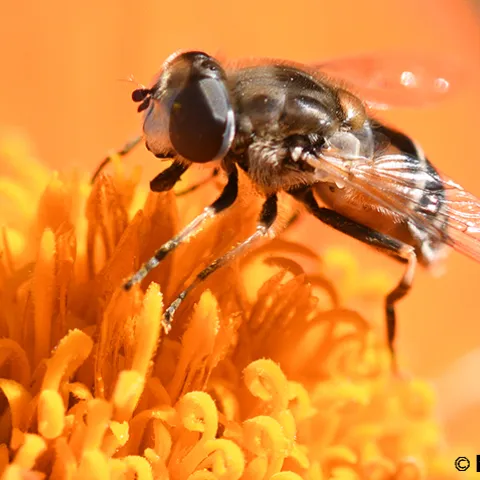
Drone fly nectaring on Mexican sunflower. (Photo by Kathy Keatley Garvey)
Bug Squad: Article

A Drone Is a Drone Is a Drone

December 5, 2025
By Kathy Keatley Garvey
 It's "Friday Fly Day" but we haven't seen a drone fly (Eristalis tenax) for at least a month.It's a member of the hover fly family, Syrphidae, but it manages to appear almost everywhere as...a... bee. A drone is a drone is a drone. A bee is a bee is a bee. (Thank you, Gertrude Stein, who penned "A…
View Article
Event Primary Image
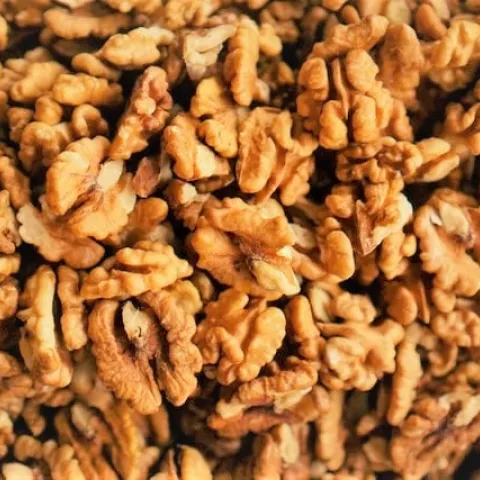
Walnuts
Tehama County: Event

North Sacramento Valley Walnut Day 2026

Event Date
Mar 5, 2026

Please join us for 2026 Walnut Day! Lunch is provided at no cost, thanks to the generosity of the California Walnut Board and Commission, with registration before February 24th, 2026. 
Tehama County
View Event
UC ANR Policy Institute: Page

Affiliated Academic Sign-Up

Welcome! We’re excited that you’re interested in joining the UC ANR Policy Institute as an Affiliated Academic. This form is for researchers, faculty, and academic professionals who are engaged in or interested in policy-relevant work – whether within or external to the University of California system…
View Page