A Natural Solution for California's Herds: African Catfish Peptides

California's cattle producers and agricultural communities are all too familiar with the rising challenge of antibiotic resistance, making common bacterial infections harder to treat in livestock. But imagine a future where we could tackle these infections with a natural, powerful alternative. Our research points to just that: antimicrobial peptides (AMPs) found in African catfish.

We're really excited about these peptides because African catfish thrive in pathogen-rich freshwater, naturally producing these robust immune compounds in their skin mucus as a defense. This natural origin makes them highly appealing alternatives to synthetic drugs.

Predicted Safety and Potent Action

One of the most compelling aspects of these AMPs is their predicted safety for mammals. Our initial computer analyses suggest that various catfish AMPs are generally recognized as safe (GRAS). We predict they'll be absorbed in the human intestine without causing liver, brain, or heart toxicity. Furthermore, lab tests on a promising peptide, NACAP-II, confirmed it was non-hemolytic, meaning it didn't damage rabbit red blood cells—a strong indicator of its potential safety for mammalian cells.

Beyond safety, these peptides demonstrate effectiveness against problematic bacteria. One study revealed NACAP-II's strong activity against Extended-Spectrum Beta-Lactamase (ESBL)-producing Escherichia coli—a critical concern for both animal and human health due to its resistance to many common antibiotics. Another peptide, ACAP-IV, also showed antibacterial activity against E. coli and Staphylococcus aureus. We believe these AMPs work by directly disrupting bacterial cell membranes, a mechanism that makes it harder for bacteria to develop resistance compared to how they resist traditional antibiotics.
Primary Image
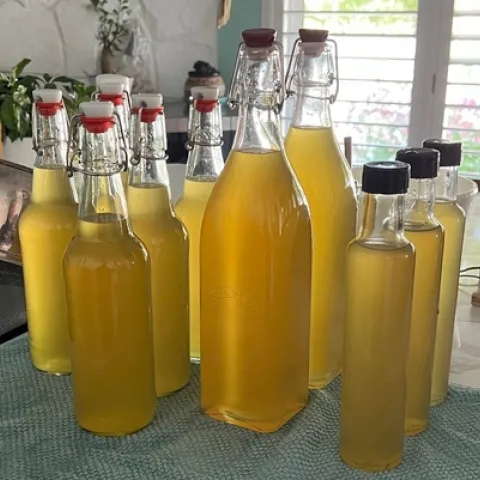
Photo of limoncello in various sized bottles.
The Savvy Sage: Article

When LIfe Gives You Lemons, Make Limoncello!

February 24, 2025
Every year at this time, when my Eureka lemon tree is laden with more lemons than I know what to do with, I invite my friends over and we turn those lemons into limoncello.
View Article
Primary Image
The Sun: One Year in One Image by NASA Goddard Photo and Video is licensed under CC BY 2.0.
Under the Solano Sun: Article

Sun Miku

February 24, 2025
Sun getting higher Daylight increasing slowly Winter losing grip...
View Article
Primary Image
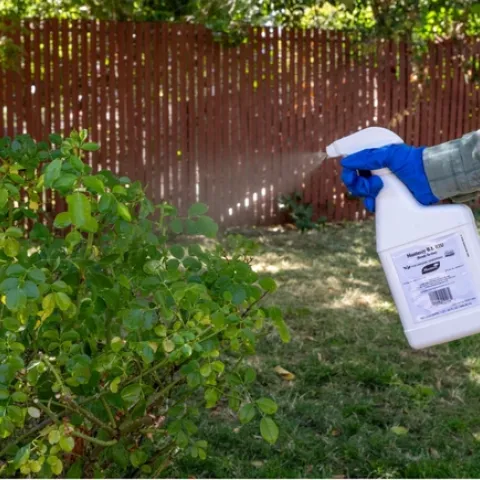
A person wearing rubber gloves using a spray bottle to spray pesticide on a rose bush outside.
Pests in the Urban Landscape: Article

Tips for Using Pesticides Safely

February 24, 2025
By Lauren Fordyce
At UC IPM we recognize pesticide safety education every month, but February in particular is National Pesticide Safety Education Month! Below are some simple tips for using pesticides safely to protect yourself, others, wildlife, and the environment.
View Article
Primary Image
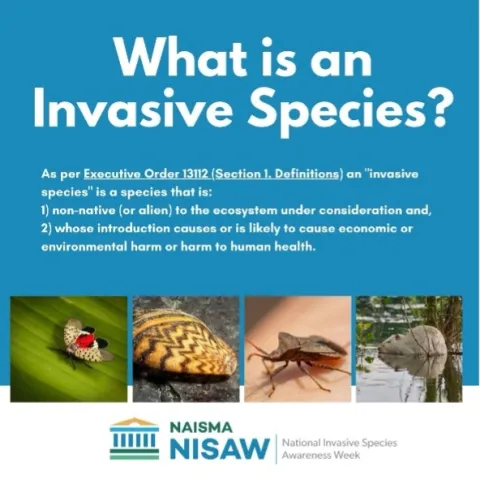
What is an invasive species?
Pests in the Urban Landscape: Article

National Invasive Species Action Week 2025

February 24, 2025
By Lauren Fordyce
From February 24 - 28, 2025, help increase public awareness of invasive species and join the fight against invasive species by participating in National Invasive Species Action Week (NISAW).
View Article
Primary Image
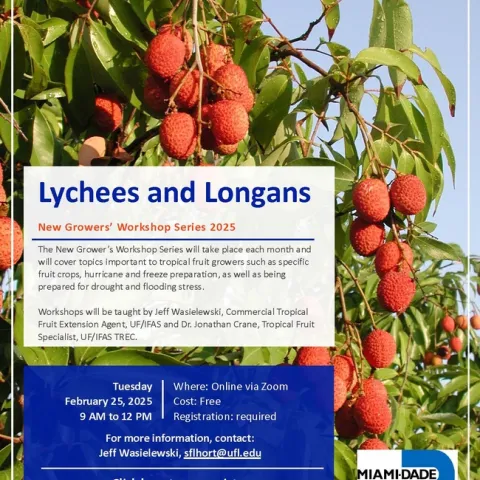
Lychee and Longan 2025
Topics in Subtropics: Article

Lychee/Longan Workshop

February 24, 2025
By Ben A Faber
New Tropical Fruit Growers' Workshop Lychee and Longan When: Tuesday, February 25, 2025; 9:00 AM to 12:00 PM EST, which is 12 - 3 PST IT STARTS TOMORROW!!!!!!!!! Where: Webinar via Zoom Cost: Free This is the beginning of a series on subtropical fruit trees that could easily be adopted ion Southern...
View Article
Primary Image
638163957976400000
Pure Water Matters - Your Essential Guide to Drinking Water Quality!: Article

Welcome to our Drinking Water Quality Blog

February 24, 2025
By Esther N Lofton
Welcome to our blog on Pure Water Matters: Your Essential Guide to Drinking Water Quality in SoCal! As residents of this vibrant region, it's essential to understand the complexities of our drinking water, from its sources to the safety measures in place.
View Article
Primary Image
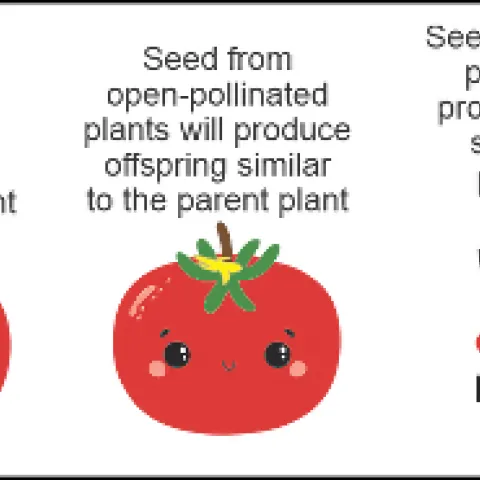
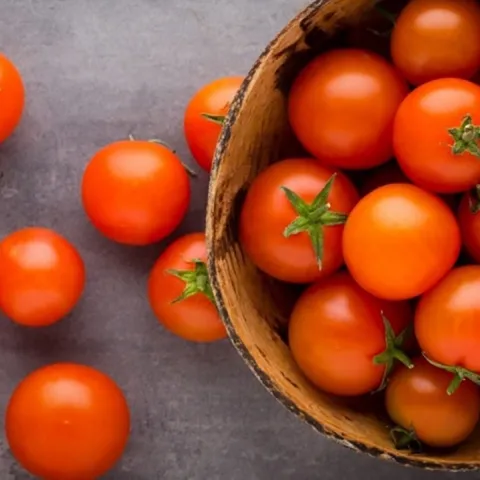
Heirloom, Open Pollinated or Hybrid Tomato
Spill the Beans: Article

Tomatoes: Heirloom, Open Pollinated or Hybrid?

February 23, 2025
Heirloom plants, by definition, have some history behind them. Some say an heirloom variety must be at least fifty years old, some say even older. Heirloom seed is described as being from a plant variety that has been passed on through generations.
View Article
Primary Image
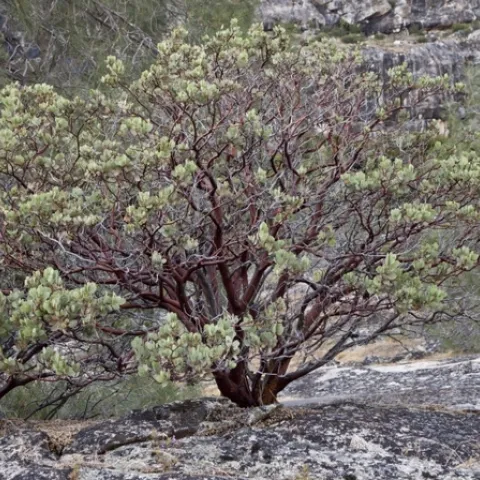
Common manzanita (Pinterest.com)

Manzanita, versatile California native.

February 22, 2025
By Cindy Kerson, UC Master Gardener of Napa County Native to North America, manzanita (Arctostaphylos spp.) comes in many shapes and sizes. It can be a tree, a shrub or a ground cover. A manzanita tree can reach 20 feet in height, while the ground cover may only be two inches tall.
View Article