A Natural Solution for California's Herds: African Catfish Peptides

California's cattle producers and agricultural communities are all too familiar with the rising challenge of antibiotic resistance, making common bacterial infections harder to treat in livestock. But imagine a future where we could tackle these infections with a natural, powerful alternative. Our research points to just that: antimicrobial peptides (AMPs) found in African catfish.

We're really excited about these peptides because African catfish thrive in pathogen-rich freshwater, naturally producing these robust immune compounds in their skin mucus as a defense. This natural origin makes them highly appealing alternatives to synthetic drugs.

Predicted Safety and Potent Action

One of the most compelling aspects of these AMPs is their predicted safety for mammals. Our initial computer analyses suggest that various catfish AMPs are generally recognized as safe (GRAS). We predict they'll be absorbed in the human intestine without causing liver, brain, or heart toxicity. Furthermore, lab tests on a promising peptide, NACAP-II, confirmed it was non-hemolytic, meaning it didn't damage rabbit red blood cells—a strong indicator of its potential safety for mammalian cells.

Beyond safety, these peptides demonstrate effectiveness against problematic bacteria. One study revealed NACAP-II's strong activity against Extended-Spectrum Beta-Lactamase (ESBL)-producing Escherichia coli—a critical concern for both animal and human health due to its resistance to many common antibiotics. Another peptide, ACAP-IV, also showed antibacterial activity against E. coli and Staphylococcus aureus. We believe these AMPs work by directly disrupting bacterial cell membranes, a mechanism that makes it harder for bacteria to develop resistance compared to how they resist traditional antibiotics.
Primary Image
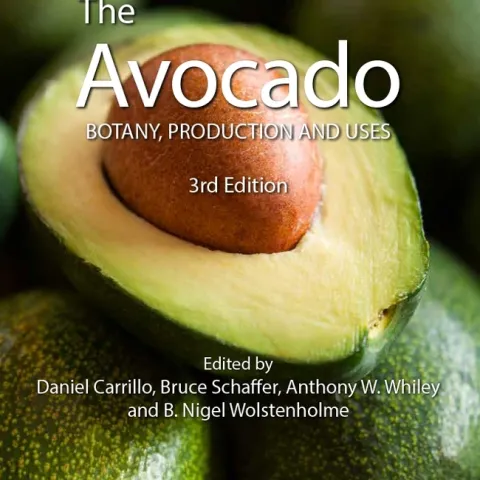
Avocado BOtany book cover
Topics in Subtropics: Article

Avocado Botany Text - NEW

February 21, 2025
By Ben A Faber
3rd Edition Daniel Carrillo, Bruce Schaffer, B Nigel Wolstenholme, Anthony W Whiley View information Preview PDF Description Readership Reviews Author Biography The avocado industry is evolving rapidly.
View Article
Primary Image
It's time to start working in the vegetable garden. (Photo: Helena Lopes via Pexels)
Fresno Gardening Green: Article

This week in the garden: Feb. 21 - 27

February 21, 2025
Take a drive along the Blossom Trail. March is the time to put winter's planning into action as spring comes to the garden. Tasks Continue fruit tree spraying and spray fungicide on apple and cherry trees.
View Article
Primary Image
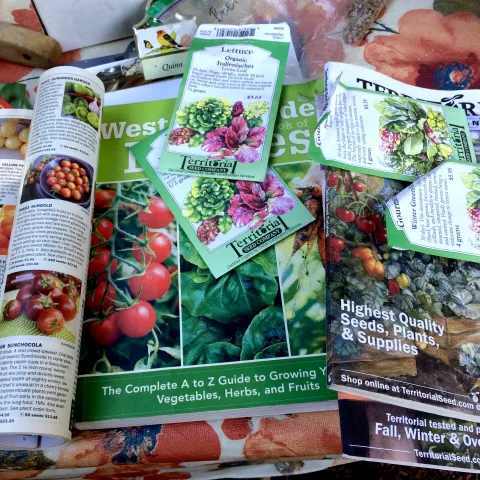
Seed packets and catalogs
The Real Dirt: Article

It’s Seed-Starting Time!

February 21, 2025
The beauty and order of the earth's natural rhythm bring us once again to springseedtime-- and the promise of new life embedded within each seed.
View Article
Article

President Drake: ‘Your work is important; it matters. You matter’

February 20, 2025
By Pamela S Kan-Rice
UC President Michael V. Drake, M.D., has sent a brief video message to the UC community acknowledging that many of us feel worried and unsettled about the fast-moving policy developments we are all facing. In his message, Drake offers encouragement and says, Your work is important; it matters.
View Article
Primary Image
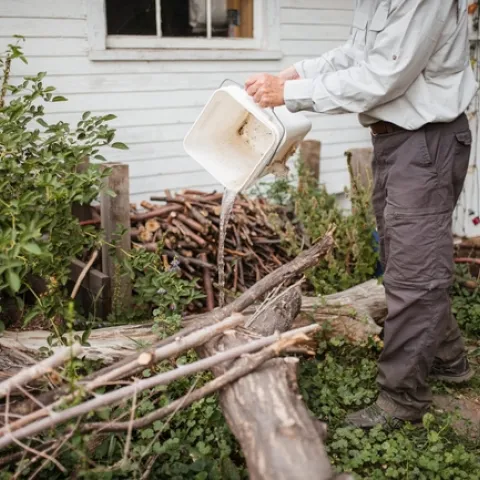
Person dumping a white bucket of water outside.
Pests in the Urban Landscape: Article

Drain After Rain to Prevent Mosquitoes

February 20, 2025
By Lauren Fordyce
Recent rainfall throughout much of California has created puddles and stagnant water. With the temperature warming up in many parts of the state, this combination can create the perfect situation for mosquitoes to breed. We encourage you to drain after the rain to reduce mosquito-breeding sites.
View Article
Primary Image
language of flowers
Under the Solano Sun: Article

Language of Flowers

February 20, 2025
As winter in California brings its mild chill, the landscape still bursts into life with vibrant flowers, leafy trees, and lush green plants of all kinds. Many of us have taken to our home gardens, nurturing peonies, daylilies, sunflowers, and roses.
View Article