A Natural Solution for California's Herds: African Catfish Peptides

California's cattle producers and agricultural communities are all too familiar with the rising challenge of antibiotic resistance, making common bacterial infections harder to treat in livestock. But imagine a future where we could tackle these infections with a natural, powerful alternative. Our research points to just that: antimicrobial peptides (AMPs) found in African catfish.

We're really excited about these peptides because African catfish thrive in pathogen-rich freshwater, naturally producing these robust immune compounds in their skin mucus as a defense. This natural origin makes them highly appealing alternatives to synthetic drugs.

Predicted Safety and Potent Action

One of the most compelling aspects of these AMPs is their predicted safety for mammals. Our initial computer analyses suggest that various catfish AMPs are generally recognized as safe (GRAS). We predict they'll be absorbed in the human intestine without causing liver, brain, or heart toxicity. Furthermore, lab tests on a promising peptide, NACAP-II, confirmed it was non-hemolytic, meaning it didn't damage rabbit red blood cells—a strong indicator of its potential safety for mammalian cells.

Beyond safety, these peptides demonstrate effectiveness against problematic bacteria. One study revealed NACAP-II's strong activity against Extended-Spectrum Beta-Lactamase (ESBL)-producing Escherichia coli—a critical concern for both animal and human health due to its resistance to many common antibiotics. Another peptide, ACAP-IV, also showed antibacterial activity against E. coli and Staphylococcus aureus. We believe these AMPs work by directly disrupting bacterial cell membranes, a mechanism that makes it harder for bacteria to develop resistance compared to how they resist traditional antibiotics.

Primary Image
Peppers! (Watter)
Napa Master Gardener Column: Article

Pick a Peck of Peppers

December 28, 2024
My mother adored pepperblack, red, green, hot, sweet, any kind. She used so much cracked pepper in our meals that most of them looked as if they were dug out of a gravel pit. I used to sulkily scrape it off while she told me I didn't know what was good. Times and tastes have changed, though.
View Article
Primary Image
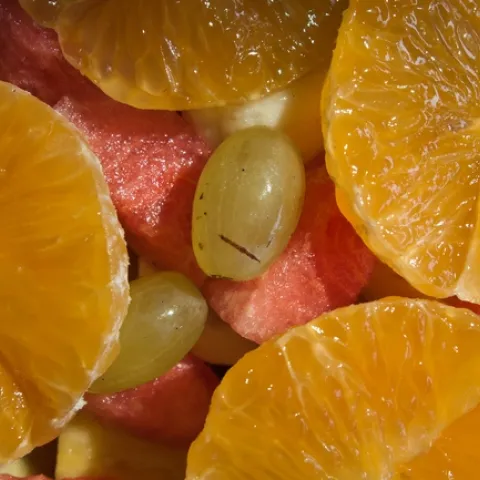
It is peak season for citrus in the San Joaquin Valley. Enjoy! (Photo: Wikimedia Commons)
Fresno Gardening Green: Article

This week in the garden: Dec. 27 - Jan. 2

December 27, 2024
A wide variety of citrus fruits brighten winter gardens and winter menus this month. Tasks Control cool-season weeds before they mature and go to seed. Plants planted last spring and fall may need water if rainfall has been inadequate.
View Article
Primary Image
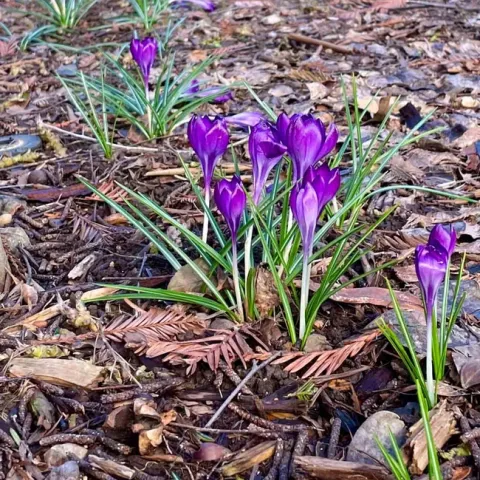
Crocuses are typically the first bulb to flower in spring. These have returned to this local garden year after year. Michell Graydon
The Real Dirt: Article

Bee-Friendly Winter Gardening

December 27, 2024
Just because it is wintertime doesn't mean that bees, which are important pollinators for our flowers, fruits and vegetables, don't need food. Plants and shrubs can provide pollen, nectar, or both to bees in our late winter and early spring.
View Article
Primary Image
Cole and Connor at their first Bio Boot Camp
Bug Squad: Article

Cole and Connor: Connecting with Insects

December 26, 2024
By Kathy Keatley Garvey
The annual UC Davis Bio Boot Camps not only connect youths with nature, but with each other. Meet Cole Cramer, and Connor Hsu, both 15, and both students at La Canada High School, La Caada Flintridge, Calif.
View Article
Primary Image
Santa and a monarch. (Photo by Kathy Keatley Garvey)
Bug Squad: Article

Santa and the Monarch

December 25, 2024
By Kathy Keatley Garvey
Santa Claus and the monarch butterfly share a commonality. Both are icons, easily recognizable. One may become extinct. The U.S. Fish and Wildlife Service announced Dec. 10 its plans to add the monarch butterfly to its list of threatened species under the Endangered Species Act.
View Article
Primary Image
Screenshot 2024-11-21 at 11.14.37?AM
UC Rice Blog: Article

2024 Delta Rice Recap

December 25, 2024
By Taiyu Guan
Delta rice acreage has been steadily increasing, and yields are comparable with the statewide average. I estimate that acreage approached, if not exceeded, 15,000 acres in 2024. This article is my seasonal update on UCCE Delta rice research and observations.
View Article
Primary Image
UC Cooperative Extension apiculturist Eric Mussen (1944-2022) of the UC Davis Department of Entomology and Nematology, at the Harry H. Laidlaw Jr. Honey Bee Research Facility apiary. Image taken in 2010. (Photo by Kathy Keatley Garvey)
Bug Squad: Article

2024: Revisiting 'The 13 Bugs of Christmas'

December 24, 2024
By Kathy Keatley Garvey
Back in 2010, UC Cooperative Extension apiculturist Eric Mussen (1944-2022) of the UC Davis Department of Entomology and Nematology, and yours truly, department communications specialist, wondered why no insects appear in "The Twelve Days of Christmas." Zero. Zilch. Nada.
View Article