A Natural Solution for California's Herds: African Catfish Peptides

California's cattle producers and agricultural communities are all too familiar with the rising challenge of antibiotic resistance, making common bacterial infections harder to treat in livestock. But imagine a future where we could tackle these infections with a natural, powerful alternative. Our research points to just that: antimicrobial peptides (AMPs) found in African catfish.

We're really excited about these peptides because African catfish thrive in pathogen-rich freshwater, naturally producing these robust immune compounds in their skin mucus as a defense. This natural origin makes them highly appealing alternatives to synthetic drugs.

Predicted Safety and Potent Action

One of the most compelling aspects of these AMPs is their predicted safety for mammals. Our initial computer analyses suggest that various catfish AMPs are generally recognized as safe (GRAS). We predict they'll be absorbed in the human intestine without causing liver, brain, or heart toxicity. Furthermore, lab tests on a promising peptide, NACAP-II, confirmed it was non-hemolytic, meaning it didn't damage rabbit red blood cells—a strong indicator of its potential safety for mammalian cells.

Beyond safety, these peptides demonstrate effectiveness against problematic bacteria. One study revealed NACAP-II's strong activity against Extended-Spectrum Beta-Lactamase (ESBL)-producing Escherichia coli—a critical concern for both animal and human health due to its resistance to many common antibiotics. Another peptide, ACAP-IV, also showed antibacterial activity against E. coli and Staphylococcus aureus. We believe these AMPs work by directly disrupting bacterial cell membranes, a mechanism that makes it harder for bacteria to develop resistance compared to how they resist traditional antibiotics.
UC Master Food Preserver: Article

Food safety tips for the holidays (December 2024)

January 6, 2025
Tim Long, UC Master Food Preserver Volunteer Online Program This is the time of year we typically have family and friends gather to share food and celebrate the holidays. Just dont let foodborne illnesses become part of your celebrations.
View Article
Primary Image
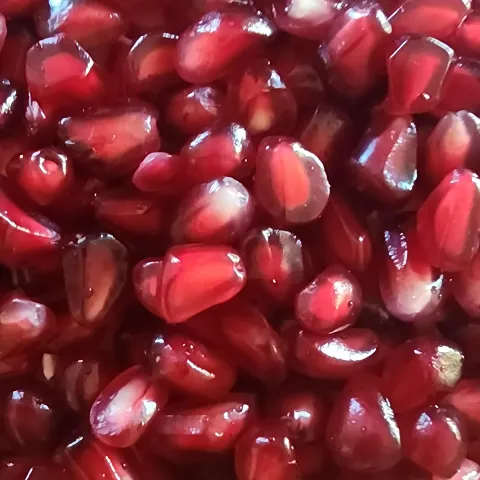
Pomegranate arils (Photo credit to author).
UC Master Food Preserver: Article

Pomegranates: juicing, freezing, and making molasses

January 6, 2025
Henry Shaw, UC Master Food Preserver Online Program Volunteer Pomegranate is a wonderful seasonal fruit that is available fresh in the late summer to early autumn, providing us with jewel-like arils that are as beautiful as they are flavorful.
View Article
UC Master Food Preserver: Article

Applesauce for Chanukah (December 2024)

January 6, 2025
Paige Weisskirch, UC Master Food Preserver Online Program Volunteer Discover the sweet tradition of applesauce for Chanukah, rooted in Eastern European Jewish history. Learn why it became a beloved latke topping and how to make your own, with tips on apple selection and preservation.
View Article
UC Master Food Preserver: Article

Newsletter naming contest (December 2024)

January 6, 2025
Travis Alexander, UC Master Food Preserver Coordinator Online Program The UC Master Food Preserver Program is seeking submissions to give the new monthly newsletter an official name.
View Article
Primary Image
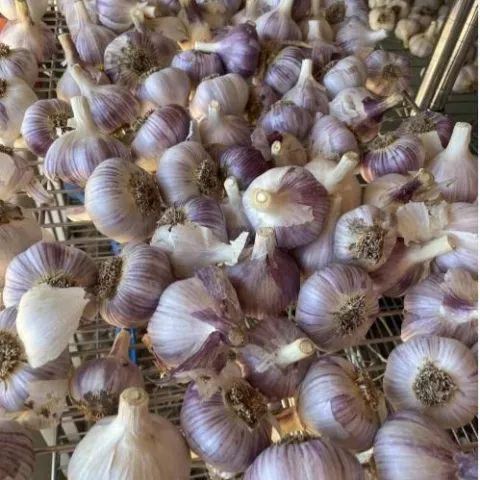
Garlic Bulbs
Urban Agriculture: Article

Urban Agriculture in Rural Places

January 5, 2025
By Laurie Wayne
The cultural divide between city folk and country folk has been the basis of stories from literature to sitcoms throughout our country's history.
View Article
Nut Crops: Article

Upcoming Nutrient and Irrigation Management Workshops

January 5, 2025
Please see attached flyer for upcoming workshops: January 14th Madera County Farm Bureau 1102 S Pine Street, Madera 8 am -12 pm February 25th Kearney Agricultural Research and Extension Center 9240 South Riverbend Ave, Parlier 8:00 am - 12:30 pm...
View Article
Primary Image
Detaining the Rain 550x312 cropped
UC Master Gardener Program of Contra Costa County: Article

Detaining the Rain

January 4, 2025
By Lori D Palmquist
[Summary can be changed.] How much of the rain that falls on your property is just passing through? Does it hit the roof, driveway, walkways, and other impermeable surfaces, flowing directly into the gutter storm drains and onward into the bay or the delta?
View Article
UC Master Gardener Program of Contra Costa County: Article

Protecting Our Local Oaks

January 4, 2025
by David George The native oak trees that grace our Contra Costa County gardens face constant threats from habitat loss, imported diseases, nasty pests, and the effects of climate change. These threats destroy thousands of local oaks each year.
View Article