A Natural Solution for California's Herds: African Catfish Peptides

California's cattle producers and agricultural communities are all too familiar with the rising challenge of antibiotic resistance, making common bacterial infections harder to treat in livestock. But imagine a future where we could tackle these infections with a natural, powerful alternative. Our research points to just that: antimicrobial peptides (AMPs) found in African catfish.

We're really excited about these peptides because African catfish thrive in pathogen-rich freshwater, naturally producing these robust immune compounds in their skin mucus as a defense. This natural origin makes them highly appealing alternatives to synthetic drugs.

Predicted Safety and Potent Action

One of the most compelling aspects of these AMPs is their predicted safety for mammals. Our initial computer analyses suggest that various catfish AMPs are generally recognized as safe (GRAS). We predict they'll be absorbed in the human intestine without causing liver, brain, or heart toxicity. Furthermore, lab tests on a promising peptide, NACAP-II, confirmed it was non-hemolytic, meaning it didn't damage rabbit red blood cells—a strong indicator of its potential safety for mammalian cells.

Beyond safety, these peptides demonstrate effectiveness against problematic bacteria. One study revealed NACAP-II's strong activity against Extended-Spectrum Beta-Lactamase (ESBL)-producing Escherichia coli—a critical concern for both animal and human health due to its resistance to many common antibiotics. Another peptide, ACAP-IV, also showed antibacterial activity against E. coli and Staphylococcus aureus. We believe these AMPs work by directly disrupting bacterial cell membranes, a mechanism that makes it harder for bacteria to develop resistance compared to how they resist traditional antibiotics.
Primary Image
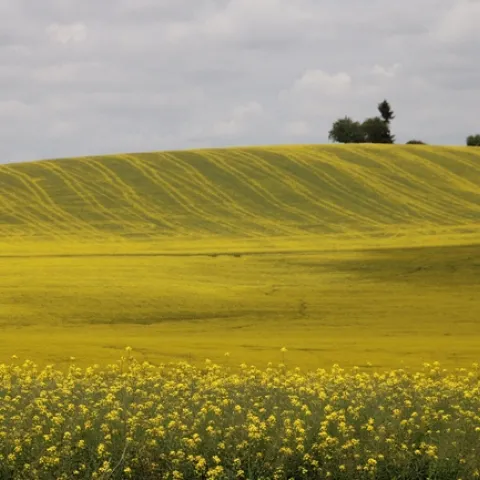
Canola field photo by Keith Arrol
Under the Solano Sun: Article

Spring 2.0

June 11, 2024
As we headed out on our drive up to Oregon, before the Memorial Day weekend, we commented on how recently our hills had turned brown. Our weather had become much more summer like. We knew things were going to change when we got to Oregon.
View Article
Primary Image
Pest prevention tips for June.
Pests in the Urban Landscape: Article

June Pest Prevention Tips

June 11, 2024
By Lauren Fordyce
Summer is here and so are the pests! Keep an eye out for the following pests and take these steps to prevent problems in the garden or landscape this June. To see more tips specific to your region, visit the Seasonal Landscape IPM Checklist on the UC IPM website.
View Article
Primary Image
Plants of the Season Fig 3
Garden Notes: Article

Plants of the Season

June 10, 2024
As summer arrives in full swing, gardens burst into life with a dazzling array of vibrant, sun-loving plants. From bold blooms to lush foliage, the summer season offers an abundance of botanical beauty perfect for creating a stunning, thriving garden. PERENNIAL FLOWER: Herbaceous peony.
View Article
Primary Image
From the Garden Fig 1
Garden Notes: Article

From the Garden—Early Summer Harvest

June 10, 2024
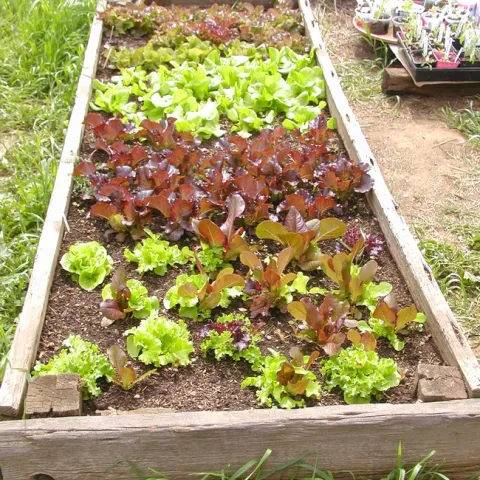
Being out and about in the cool, morning summer air can be a great source of joy and surprise as we encounter sudden beauty in our gardens. The slow-to-ripen strawberries and cherries suddenly are ripe all at once. Landscape flowers seemingly out of nowhere are in full bloom.
View Article
Primary Image
Help Desk Figure 2
Garden Notes: Article

Help Desk

June 10, 2024
Question: A few of my rose bloom stems have curled downward and I wonder what causes this? This is not an uncommon phenomenon to see in the rose garden and is usually caused by a pest, the raspberry horntail, Hartigia cressoni. Rose cane tips wilt, droop, discolor and die back.
View Article
Primary Image
Herb Study Artemisia 01
Garden Notes: Article

Summer Herb Study—Artemisia

June 10, 2024
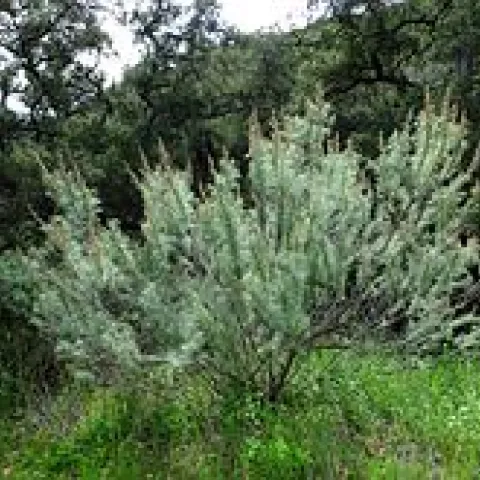
The plant family Asteraceae contains over 32,000 distinct species of flowering plants that sport the traits known best as herbal: edible (or toxic) parts, aromatic leaves and flowers, and historical culinary, medicinal, and ornamental use with economic value derived from its uses.
View Article
Primary Image
Mike Dunn Roads End Naturalist
Garden Notes: Article

Horticultural Terms

June 10, 2024
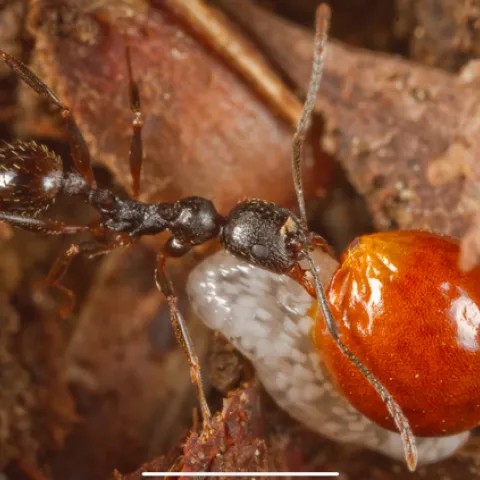
Every plant has a sole purpose in its life: it must propagate or become extinct. This interesting horticultural term highlights one of the more extraordinary means of seed dispersal. Elaiosome, e-lay-o-zome, n. (Greek: elaio = oil + soma = body) meaning oil body'.
View Article