A Natural Solution for California's Herds: African Catfish Peptides

California's cattle producers and agricultural communities are all too familiar with the rising challenge of antibiotic resistance, making common bacterial infections harder to treat in livestock. But imagine a future where we could tackle these infections with a natural, powerful alternative. Our research points to just that: antimicrobial peptides (AMPs) found in African catfish.

We're really excited about these peptides because African catfish thrive in pathogen-rich freshwater, naturally producing these robust immune compounds in their skin mucus as a defense. This natural origin makes them highly appealing alternatives to synthetic drugs.

Predicted Safety and Potent Action

One of the most compelling aspects of these AMPs is their predicted safety for mammals. Our initial computer analyses suggest that various catfish AMPs are generally recognized as safe (GRAS). We predict they'll be absorbed in the human intestine without causing liver, brain, or heart toxicity. Furthermore, lab tests on a promising peptide, NACAP-II, confirmed it was non-hemolytic, meaning it didn't damage rabbit red blood cells—a strong indicator of its potential safety for mammalian cells.

Beyond safety, these peptides demonstrate effectiveness against problematic bacteria. One study revealed NACAP-II's strong activity against Extended-Spectrum Beta-Lactamase (ESBL)-producing Escherichia coli—a critical concern for both animal and human health due to its resistance to many common antibiotics. Another peptide, ACAP-IV, also showed antibacterial activity against E. coli and Staphylococcus aureus. We believe these AMPs work by directly disrupting bacterial cell membranes, a mechanism that makes it harder for bacteria to develop resistance compared to how they resist traditional antibiotics.

Primary Image
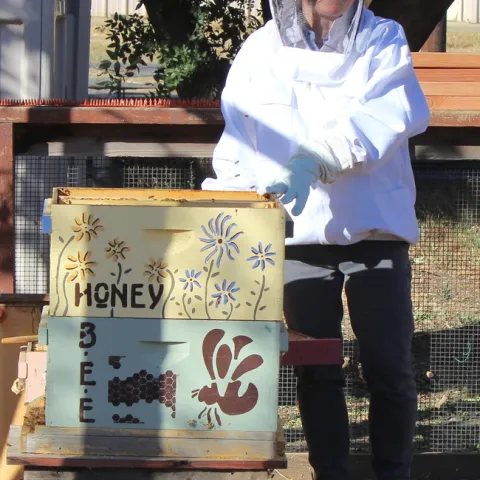
Connie inspects our bee hive
The Bee Gardener: Article

The Haven's Busiest Bees: Our Volunteers

May 14, 2024
It's simple: the Haven wouldn't be here today without volunteers. Their hard work of pruning, weeding, mulching, and assorted other tasks has made the Haven what it is today. Volunteers are also essential to our outreach events.
View Article
Primary Image
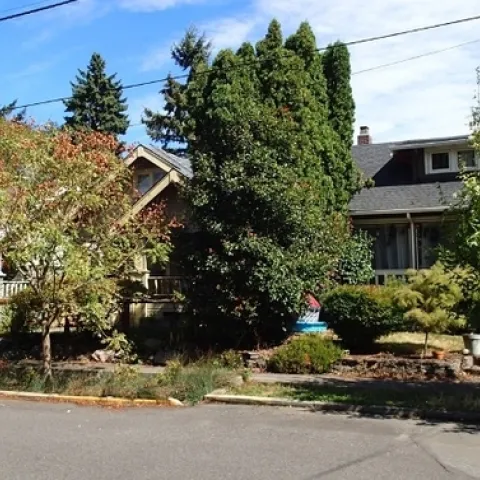
DSC03284 photo by author

This year’s Climate-Friendly Garden Tour

May 14, 2024
Saturday, May 18, is the date for this year's Climate-Friendly Garden Tour, a partnership between Napa County Resource Conservation District, City of Napa Water Division, and the University of California Master Gardeners of Napa County.
View Article
Napa Master Gardener Column: Article

Becoming a Master Gardener

May 14, 2024
Have you ever wondered how you can learn about plant care, water conservation, botany, tree pruning, soil amendments, lawn alternatives, pollinators, pest management and more while making friends and being part of a mission driven team? Become a Napa County Master Gardener, and you'll see.
View Article
Primary Image
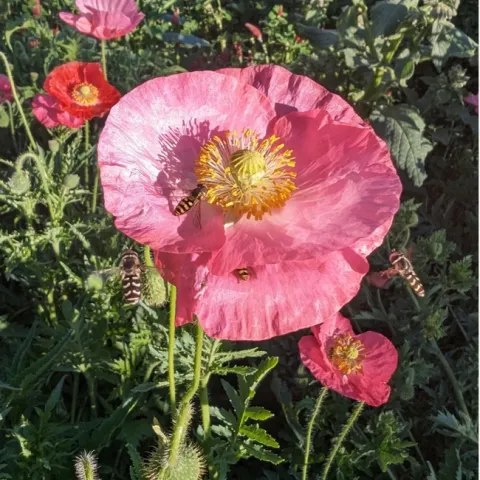
A pink flower in a green garden with small yellow and black striped flies flying around it.
Pests in the Urban Landscape: Article

What are “Good Bugs”?

May 14, 2024
By Lauren Fordyce
There are many types of good bugs commonly found in the garden or landscape. In integrated pest management (IPM) we refer to good bugs as natural enemies or beneficial organisms. Natural enemies can include insects, but also mites, pathogens, and vertebrates like birds and lizards.
View Article
Primary Image
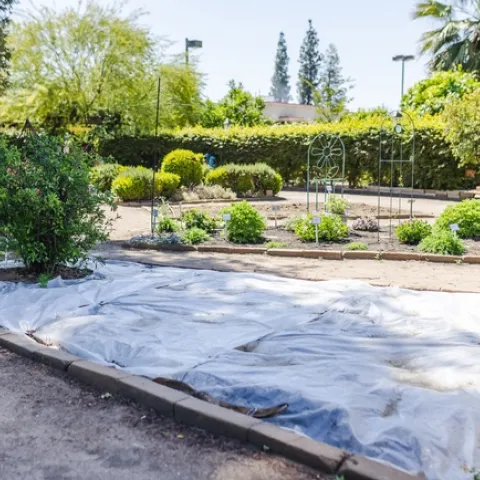
The plot at the Master Gardeners' Garden of the Sun undergoing soil solarization. To preserve a plant in the area to be solarized, as shown in the picture, cut a circle (about 18 inches in diameter) around the plant, recognizing that weeds and other pests won’t be killed in that area. (Photo: Sarah del Pozo)
Fresno Gardening Green: Article

Use soil solarization to prepare garden for success

May 14, 2024
The summer months in Fresno County are ideal for garden soil solarization, an environmentally sound way to kill weeds, insect pests and soil pathogens with free and naturally abundant solar energy. No pesticides are used in the process.
View Article