A Natural Solution for California's Herds: African Catfish Peptides

California's cattle producers and agricultural communities are all too familiar with the rising challenge of antibiotic resistance, making common bacterial infections harder to treat in livestock. But imagine a future where we could tackle these infections with a natural, powerful alternative. Our research points to just that: antimicrobial peptides (AMPs) found in African catfish.

We're really excited about these peptides because African catfish thrive in pathogen-rich freshwater, naturally producing these robust immune compounds in their skin mucus as a defense. This natural origin makes them highly appealing alternatives to synthetic drugs.

Predicted Safety and Potent Action

One of the most compelling aspects of these AMPs is their predicted safety for mammals. Our initial computer analyses suggest that various catfish AMPs are generally recognized as safe (GRAS). We predict they'll be absorbed in the human intestine without causing liver, brain, or heart toxicity. Furthermore, lab tests on a promising peptide, NACAP-II, confirmed it was non-hemolytic, meaning it didn't damage rabbit red blood cells—a strong indicator of its potential safety for mammalian cells.

Beyond safety, these peptides demonstrate effectiveness against problematic bacteria. One study revealed NACAP-II's strong activity against Extended-Spectrum Beta-Lactamase (ESBL)-producing Escherichia coli—a critical concern for both animal and human health due to its resistance to many common antibiotics. Another peptide, ACAP-IV, also showed antibacterial activity against E. coli and Staphylococcus aureus. We believe these AMPs work by directly disrupting bacterial cell membranes, a mechanism that makes it harder for bacteria to develop resistance compared to how they resist traditional antibiotics.
Primary Image
20240513 7th report table
Thrips/TSWV status in Yolo & Colusa: Article

2024 7th Report (May 15th)

May 15, 2024
By Patricia A Lazicki
General situation Above-average temperatures this week compensate for below-average temperatures last week, and thrips population projections remain similar to earlier predictions. Thrips population Generation 2 adult thrips are peaking now, and will be laying their eggs.
View Article
Primary Image
citrus
Topics in Subtropics: Article

Citrus News

May 15, 2024
By Ben A Faber
View this email in your browser SAVE THE DATE! JUNE 11 VENTURA GROWER MEETING Please mark your calendars for June 11th, for the 2024 Ventura County ACP-HLB Grower Meeting. This meeting will have a hybrid format, in person with on-line access. An application for CEUs is being submitted.
View Article
Primary Image
UC Davis doctoral candidate Shawn Christensen
Bug Squad: Article

Congratulations, Microbiologist Shawn Christensen: Best Dissertation

May 14, 2024
By Kathy Keatley Garvey
Congratulations to UC Davis outstanding scientist Shawn Christensen, a doctoral candidate and microbiologist who was just selected the 2024 recipient of the Merton Love Ecology and Dissertation Award, an annual award that celebrates the university's most outstanding doctoral dissertation in the fiel...
View Article
Nut Crops: Article

Young Orchard Irrigation and Nutrient Management Workshop

May 14, 2024
SIGN UP TODAY! FREE REGISTRATION: https://UCANR.EDU/ORCHARDSFRESNO 3.5 CEU Credits approved Wednesday, May 22nd, 2024 8:00 AM 12:30 PM Center for Irrigation Technology 5370 N. Chestnut M/S OF 18 Fresno, CA 93710 CONTACT: Shawn Ashkan sashkan@mail.fresnostate.
View Article
Primary Image
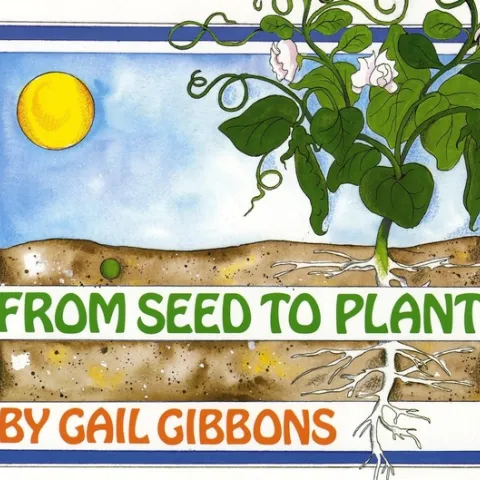
From Seed to Plant
Under the Solano Sun: Article

From Seed to Plant

May 14, 2024
With spring so warmly upon us, thoughts turn to meaningfully entertaining children during summer vacation.
View Article
Primary Image
A fun, Easter decorated landscape with a lawn in front of a house.
The Backyard Gardener: Article

A History of the American Lawn

May 14, 2024
Most of us grew up with a lawn. For many of us, mowing the lawn was a part of our weekly chores growing up; yellow spots were treated like a black mark, and a dandelion popping up was like a declaration of war.
View Article