A Natural Solution for California's Herds: African Catfish Peptides

California's cattle producers and agricultural communities are all too familiar with the rising challenge of antibiotic resistance, making common bacterial infections harder to treat in livestock. But imagine a future where we could tackle these infections with a natural, powerful alternative. Our research points to just that: antimicrobial peptides (AMPs) found in African catfish.

We're really excited about these peptides because African catfish thrive in pathogen-rich freshwater, naturally producing these robust immune compounds in their skin mucus as a defense. This natural origin makes them highly appealing alternatives to synthetic drugs.

Predicted Safety and Potent Action

One of the most compelling aspects of these AMPs is their predicted safety for mammals. Our initial computer analyses suggest that various catfish AMPs are generally recognized as safe (GRAS). We predict they'll be absorbed in the human intestine without causing liver, brain, or heart toxicity. Furthermore, lab tests on a promising peptide, NACAP-II, confirmed it was non-hemolytic, meaning it didn't damage rabbit red blood cells—a strong indicator of its potential safety for mammalian cells.

Beyond safety, these peptides demonstrate effectiveness against problematic bacteria. One study revealed NACAP-II's strong activity against Extended-Spectrum Beta-Lactamase (ESBL)-producing Escherichia coli—a critical concern for both animal and human health due to its resistance to many common antibiotics. Another peptide, ACAP-IV, also showed antibacterial activity against E. coli and Staphylococcus aureus. We believe these AMPs work by directly disrupting bacterial cell membranes, a mechanism that makes it harder for bacteria to develop resistance compared to how they resist traditional antibiotics.

Primary Image
May IPM tips
Pests in the Urban Landscape: Article

May Pest Prevention Tips

May 6, 2024
By Lauren Fordyce
May is here and with all the fluctuations in our weather lately, there is a lot going on in the landscape! Follow these general tips for the month of May to prevent pests. To see more tips specific to your region, visit the Seasonal Landscape IPM Checklist on the UC IPM website.
View Article
ANR Contracts & Grants Updates: Article

Western SARE request for proposals

May 6, 2024
By Kendra T Rose
Dear Colleagues, Western Sustainable Agriculture Research and Education (SARE) 2024 request for proposals: Research and Education Grant Program: This grant program involves scientists, agricultural producers, and others using interdisciplinary approaches to advance sustainable agriculture at local a...
View Article
Primary Image
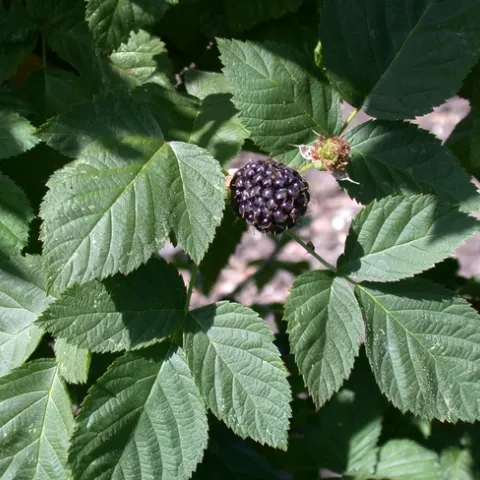
Ripe blackberries and red, unripened blackberries hang on a bush.
Food Blog: Article

New UC study estimates blackberry production costs

May 6, 2024
By Pamela S Kan-Rice
A new study that can help growers and other readers estimate costs and potential returns for blackberries grown on California's Central Coast was recently released by UC Agriculture and Natural Resources, UC Cooperative Extension and the UC Davis Department of Agricultural and Resource Economics.
View Article
Primary Image
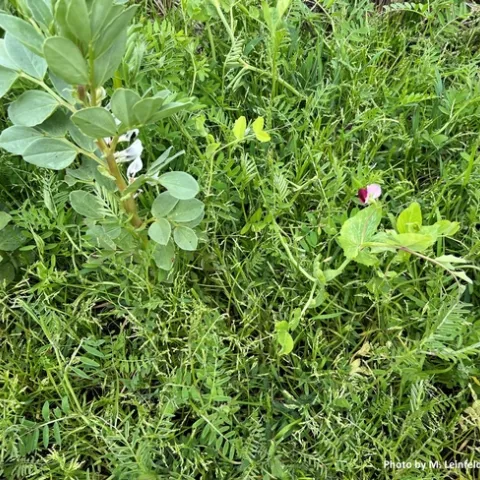
Mix 1 at cover crop termination (3/18/2024).

Winter Cover Crop Variety Evaluation

May 6, 2024
By Michelle M Leinfelder-Miles
With funding from the CDFA Healthy Soils Program and CA Rice Research Board, we are evaluating how well different cover crop species establish, provide soil coverage, affect soil carbon and nitrogen dynamics, and/or impact rice yield in subsequent growing seasons.
View Article
ANR Employee News: Article

Flexible work agreements and staff performance evaluations reminder

May 6, 2024
By Pamela S Kan-Rice
Flexible Work Agreements Employees and supervisors should review Flexible Work Agreements annually to ensure the agreement is still meeting the needs of the employee and unit, including organizational goals, establish performance expectations and compliance considerations.
View Article