A Natural Solution for California's Herds: African Catfish Peptides

California's cattle producers and agricultural communities are all too familiar with the rising challenge of antibiotic resistance, making common bacterial infections harder to treat in livestock. But imagine a future where we could tackle these infections with a natural, powerful alternative. Our research points to just that: antimicrobial peptides (AMPs) found in African catfish.

We're really excited about these peptides because African catfish thrive in pathogen-rich freshwater, naturally producing these robust immune compounds in their skin mucus as a defense. This natural origin makes them highly appealing alternatives to synthetic drugs.

Predicted Safety and Potent Action

One of the most compelling aspects of these AMPs is their predicted safety for mammals. Our initial computer analyses suggest that various catfish AMPs are generally recognized as safe (GRAS). We predict they'll be absorbed in the human intestine without causing liver, brain, or heart toxicity. Furthermore, lab tests on a promising peptide, NACAP-II, confirmed it was non-hemolytic, meaning it didn't damage rabbit red blood cells—a strong indicator of its potential safety for mammalian cells.

Beyond safety, these peptides demonstrate effectiveness against problematic bacteria. One study revealed NACAP-II's strong activity against Extended-Spectrum Beta-Lactamase (ESBL)-producing Escherichia coli—a critical concern for both animal and human health due to its resistance to many common antibiotics. Another peptide, ACAP-IV, also showed antibacterial activity against E. coli and Staphylococcus aureus. We believe these AMPs work by directly disrupting bacterial cell membranes, a mechanism that makes it harder for bacteria to develop resistance compared to how they resist traditional antibiotics.
Primary Image
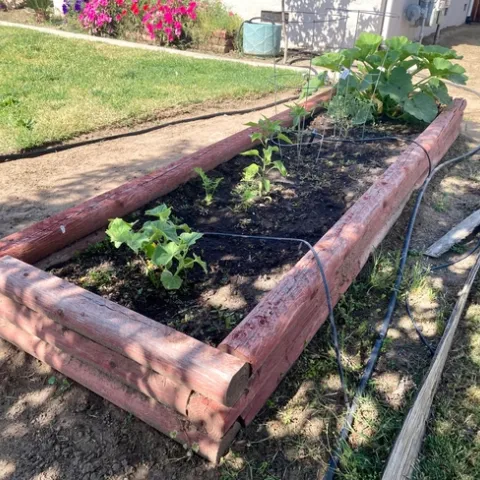
Converting a vegetable garden to drip irrigation conserves water. (Photo: Jeannette Warnert)
Fresno Gardening Green: Article

This week in the garden: May 3 - 9

May 3, 2024
Keep recent plantings well-watered and mulched. Sudden warming plus drying winds can stress plants. Tasks Use a 3-inch layer of mulch around trees and shrubs to retain moisture, suppress weeds and cool soil temperature.
View Article
Primary Image
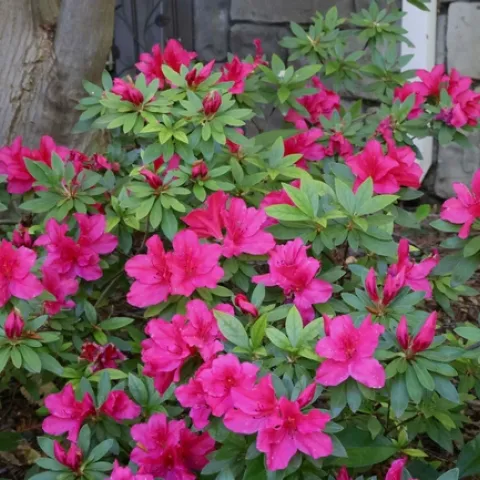
A stunning azalea in full bloom. Michelle Graydon
The Real Dirt: Article

Azaleas are a Great Perennial Choice

May 3, 2024
A colorful perennial has been brightening spring gardens for many weeks. Azaleas are the easy-to-care-for stars of semi-shaded locations. The most common varieties are evergreen azaleas, which are more accurately described as having persistent-leaves.
View Article
Primary Image
thisobneMay 2024 Cover Coastside

Backyard Biodiversity: Saving the Planet One Garden at a Time

May 2, 2024
It's May and spring is busting out all over! After months of gray skies and wet, chilly days, we can rejoice at the sight of each tender shoot, leaf and bud. With the resurgence of life all around us, it may seem as if the state of the natural world may not be so bad after all.
View Article
Primary Image
Figure 1. From left to right: Silverleaf nightshade (Solanum elaegnifolium), Black nightshade (Solanum nigrum), Hairy nightshade (Solanum physalifolium). Weeds in the nightshade family can be found in orchards and in annual crops. Silverleaf nightshade produces silver green leaves, violet flowers, and yellow berries. Black and hairy nightshades produce white flowers and black berries. UC IPM.
UC Weed Science (weed control, management, ecology, and minutia): Article

Silverleaf nightshade in young pistachio orchards

May 2, 2024
By Jorge A Angeles
Silverleaf nightshade, Solanum Elaeagnifolium, is perennial weed that is native to South America, Mexico, American Southwest and Southern States.
View Article
Primary Image
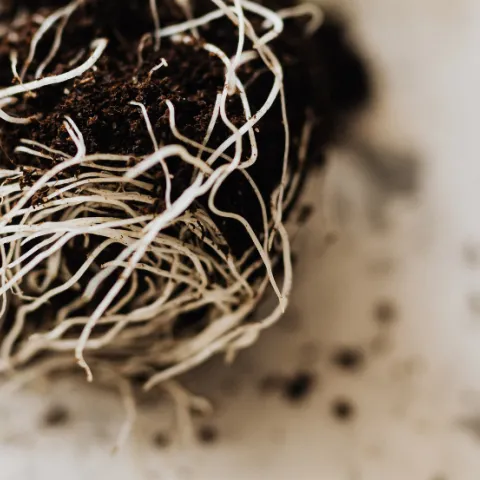
Roots of a potted plant.
UC Master Gardener Coordinators: Article

Rooted in Marketing - May 2024

May 2, 2024
By Barbra Braaten
Happy May! This is a busy month for communications with UC ANR Giving Day taking place May 16-17, from noon to noon. UC ANR Giving Day is a wonderful opportunity to raise money and support for your program and projects. Do you want to build a new demo garden? Want to fund scholarships for new trainees? Maybe…
View Article
Primary Image
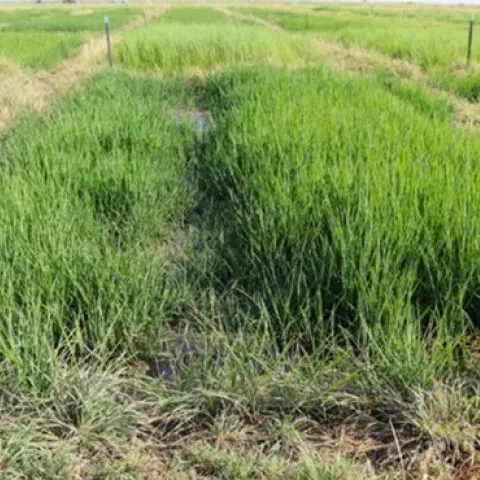
zembu plot image
UC Rice Blog: Article

An Evaluation of Pyraclonil in California Rice

May 2, 2024
By Sarah Marsh Janish
A system of permanently flooded rice and a lack of diverse weed management techniques have selected for flood-tolerant weed populations in California water-seeded rice fields.
View Article
Primary Image
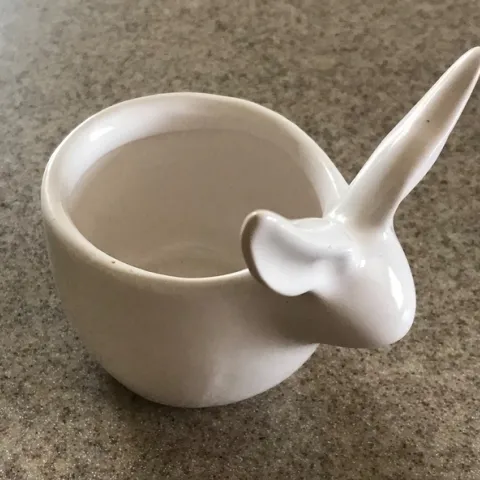
Bunny Planter. photos by Karen Metz
Under the Solano Sun: Article

A Kalanchoe by Any Other Name...

May 2, 2024
My mother bought me the cutest pink flowering plant in a little 2-inch bunny planter for Easter. She told me that she thought it was the prettiest Kalanchoe that she had ever seen. It was adorable, and just bursting with flowers. I was a little puzzled though.
View Article
Primary Image
4. Pure tenacity
The Savvy Sage: Article

Hooray! I Didn't Kill It!

May 2, 2024
My mother, in all her wisdom, once sent me a wooden garden stake that said, I tried but it died, when I take somewhat drastic measures to try to save something in the garden, I always bear that in mind.
View Article