A Natural Solution for California's Herds: African Catfish Peptides

California's cattle producers and agricultural communities are all too familiar with the rising challenge of antibiotic resistance, making common bacterial infections harder to treat in livestock. But imagine a future where we could tackle these infections with a natural, powerful alternative. Our research points to just that: antimicrobial peptides (AMPs) found in African catfish.

We're really excited about these peptides because African catfish thrive in pathogen-rich freshwater, naturally producing these robust immune compounds in their skin mucus as a defense. This natural origin makes them highly appealing alternatives to synthetic drugs.

Predicted Safety and Potent Action

One of the most compelling aspects of these AMPs is their predicted safety for mammals. Our initial computer analyses suggest that various catfish AMPs are generally recognized as safe (GRAS). We predict they'll be absorbed in the human intestine without causing liver, brain, or heart toxicity. Furthermore, lab tests on a promising peptide, NACAP-II, confirmed it was non-hemolytic, meaning it didn't damage rabbit red blood cells—a strong indicator of its potential safety for mammalian cells.

Beyond safety, these peptides demonstrate effectiveness against problematic bacteria. One study revealed NACAP-II's strong activity against Extended-Spectrum Beta-Lactamase (ESBL)-producing Escherichia coli—a critical concern for both animal and human health due to its resistance to many common antibiotics. Another peptide, ACAP-IV, also showed antibacterial activity against E. coli and Staphylococcus aureus. We believe these AMPs work by directly disrupting bacterial cell membranes, a mechanism that makes it harder for bacteria to develop resistance compared to how they resist traditional antibiotics.


Primary Image
Honey bee scientist Zac Lamas, a National Institute of Food and Agriculture (NIFA) postdoctoral fellow with the USDA's Agricultural Research Services.
Bug Squad: Article

'Dr. Zac' to Present UC Davis Seminar on Honey Bee Research, Life Experiences

April 9, 2024
By Kathy Keatley Garvey
"A lot of students take a gap year between their undergrad and grad program," says honey bee scientist Zac Lamas, a National Institute of Food and Agriculture (NIFA) postdoctoral fellow with the U. S. Department of Agriculture's Agricultural Research Services (USDA-ARS). "I took a gap decade.
View Article
Kern County: Article

Kern UCCE/DWR Weekly Crop Water Use Report 04-08-2024

April 9, 2024
Please see below link to access "How To Use Weekly Crop Water Use (ET) Reports to Assist Farm Water Management" How to Use Weekly Crop Water Use Report Please see below link to access "Weekly ET Report 04-08-2024" ET Report 04-08-2024 Please see disclaimer link below: University of California Divisi...
View Article
Monterey County: Article

4-H Leader's Council Meeting April 16th, 2024

April 9, 2024
Dear members of the Monterey County 4-H Leaders Council, On Tuesday, April 16th the 4-H Leaders Council will hold its monthly meeting at 7pm. The meeting will be held at the Ag Conference center at 1432 Abbott St, Salinas. All clubs need to have a representative at the meeting.
View Article
UCCE Lassen County: Article

April-May 2024 Roundup

April 9, 2024
Hello Everyone, Here's your April and May issue of the 4-H Roundup newsletter. If you have any questions, please do not hesitate to contact us at the 4-H office.
View Article
Primary Image
Bowman Reservoir
Ranching in the Sierra Foothills: Article

Accidental Drought

April 9, 2024
By Daniel K Macon
As of this writing, we're on track for a "normal" rainfall year here in Auburn. Even if the rainy season ended with last week's storm, we'll finish the year at 90 percent of our long term annual average.
View Article
UCCE in Santa Barbara County: Article

Soil Preparation Presentation

April 9, 2024
The UC Master Gardeners of Santa Barbara County, in partnership with the Eastside Library, invite you to join us for an in-person, research-based presentation on Soil Preparation.
View Article
Primary Image
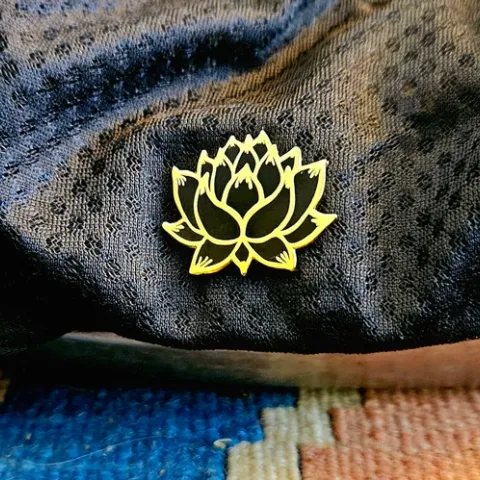
Lotus flower pin on hat - P. Pashby

Lotus Love

April 9, 2024
I recently received a gift from a friend, a lovely brooch pin that is shaped like a lotus (Nelumbo nucifera) flower, with beautiful oval-shaped petals. My friend said that she chose the lotus brooch because of my love for yoga and nature.
View Article
Primary Image
A queen bumble bee, probably a Bombus californicus, forages on a Coreopsis during the April 8th solar eclipse. (Photo by Kathy Keatley Garvey)
Bug Squad: Article

Decisions, Decisions: Solar Eclipse or a Bumble Bee?

April 8, 2024
By Kathy Keatley Garvey
What insects did you see during the Solar Eclipse, dubbed "The Great North American Eclipse?" And what were they doing? In some parts of North America, as the moon passed between the earth and sun, folks saw a total solar eclipse. But here in Solano County, California, totality it was not. Partial.
View Article