A Natural Solution for California's Herds: African Catfish Peptides

California's cattle producers and agricultural communities are all too familiar with the rising challenge of antibiotic resistance, making common bacterial infections harder to treat in livestock. But imagine a future where we could tackle these infections with a natural, powerful alternative. Our research points to just that: antimicrobial peptides (AMPs) found in African catfish.

We're really excited about these peptides because African catfish thrive in pathogen-rich freshwater, naturally producing these robust immune compounds in their skin mucus as a defense. This natural origin makes them highly appealing alternatives to synthetic drugs.

Predicted Safety and Potent Action

One of the most compelling aspects of these AMPs is their predicted safety for mammals. Our initial computer analyses suggest that various catfish AMPs are generally recognized as safe (GRAS). We predict they'll be absorbed in the human intestine without causing liver, brain, or heart toxicity. Furthermore, lab tests on a promising peptide, NACAP-II, confirmed it was non-hemolytic, meaning it didn't damage rabbit red blood cells—a strong indicator of its potential safety for mammalian cells.

Beyond safety, these peptides demonstrate effectiveness against problematic bacteria. One study revealed NACAP-II's strong activity against Extended-Spectrum Beta-Lactamase (ESBL)-producing Escherichia coli—a critical concern for both animal and human health due to its resistance to many common antibiotics. Another peptide, ACAP-IV, also showed antibacterial activity against E. coli and Staphylococcus aureus. We believe these AMPs work by directly disrupting bacterial cell membranes, a mechanism that makes it harder for bacteria to develop resistance compared to how they resist traditional antibiotics.
Primary Image
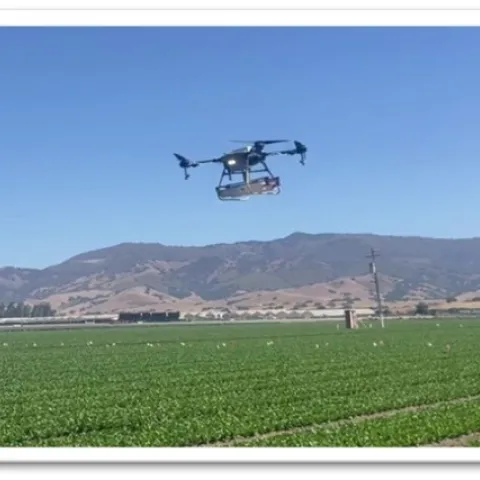
In-field drone release of green lacewing eggs and predatory mites

Predators by drone: Biological control research

April 11, 2024
By Mayra Cervantes
Two of the worst pests plaguing lettuce growers in the Salinas Valley area are aphids, specifically lettuce-currant aphids (Nasovonia ribisnigri), and western flower thrips (Frankliniella occidentalis).
View Article
Primary Image
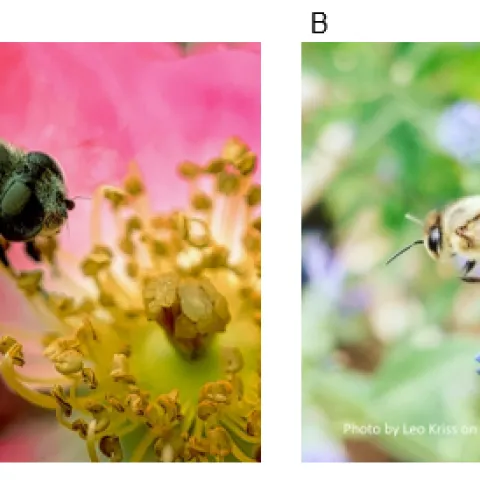
Two Flying insects on flowers pictures
The Coastal Gardener : Article

What's Bugging Me?

April 11, 2024
I can name that flying insect in 3 clues how about you? Match the clue to the insect's image. Place an X in the appropriate column. Resources: UC IPM, Syrphids (Flower Flies or Hover Flies) https://ipm.ucanr.edu/natural-enemies/syrphids/ University of Florida, European honey bee https://entnemdept.
View Article
The Coastal Gardener : Article

Spring 2024 Gardening Events, for your planning pleasure.

April 11, 2024
APRIL: April 13th, Humboldt Botanical Garden Education Series, Donna Wildearth, Native Plants. Location: at the Humboldt Botanical Garden (HBG), outside Marie's Terrace. Register at https://www.hbgf.org/contact-us April 13th, Seed and Plant Exchange, Humboldt Grange #501.
View Article
Primary Image
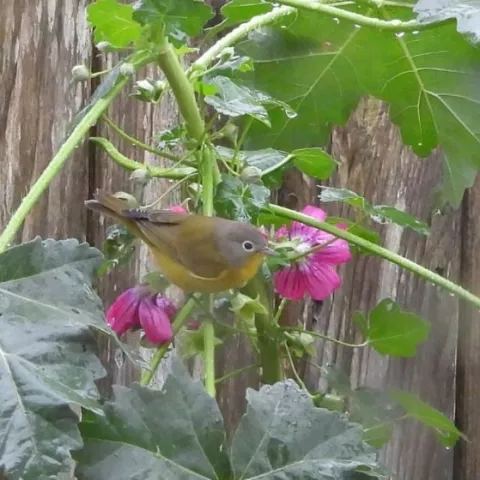
Bird on a plant
The Coastal Gardener : Article

Gardening for Birds - or is it for Caterpillars?

April 10, 2024
If you want to feed the birds, start by feeding the caterpillars! Most songbirds will not thrive or choose to nest in habitats devoid of caterpillars. The plants best suited to support a diversity of caterpillars are native plants, but not just any natives.
View Article
Primary Image
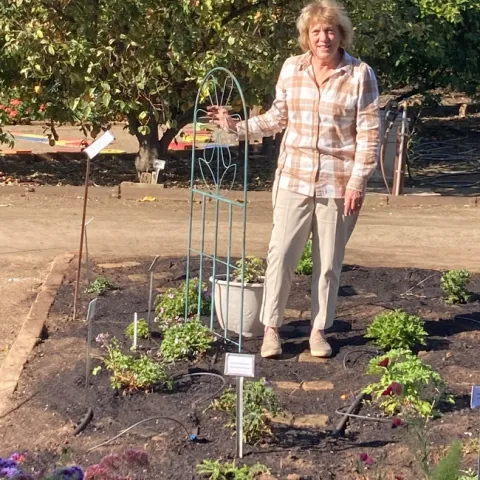
The Memorial Garden a few years ago. Photo by Kelly Mae Heroux
The Savvy Sage: Article

Planting Memories

April 10, 2024
We gardeners love our gardens for more than just their visual beauty. Gardening provides opportunity to engage with nature, creativity, and purpose. It connects us to the seasons, to the scheme of generation, to time. We cherish the fruits they bear, the bouquets they offer, and still so much more.
View Article