A Natural Solution for California's Herds: African Catfish Peptides

California's cattle producers and agricultural communities are all too familiar with the rising challenge of antibiotic resistance, making common bacterial infections harder to treat in livestock. But imagine a future where we could tackle these infections with a natural, powerful alternative. Our research points to just that: antimicrobial peptides (AMPs) found in African catfish.

We're really excited about these peptides because African catfish thrive in pathogen-rich freshwater, naturally producing these robust immune compounds in their skin mucus as a defense. This natural origin makes them highly appealing alternatives to synthetic drugs.

Predicted Safety and Potent Action

One of the most compelling aspects of these AMPs is their predicted safety for mammals. Our initial computer analyses suggest that various catfish AMPs are generally recognized as safe (GRAS). We predict they'll be absorbed in the human intestine without causing liver, brain, or heart toxicity. Furthermore, lab tests on a promising peptide, NACAP-II, confirmed it was non-hemolytic, meaning it didn't damage rabbit red blood cells—a strong indicator of its potential safety for mammalian cells.

Beyond safety, these peptides demonstrate effectiveness against problematic bacteria. One study revealed NACAP-II's strong activity against Extended-Spectrum Beta-Lactamase (ESBL)-producing Escherichia coli—a critical concern for both animal and human health due to its resistance to many common antibiotics. Another peptide, ACAP-IV, also showed antibacterial activity against E. coli and Staphylococcus aureus. We believe these AMPs work by directly disrupting bacterial cell membranes, a mechanism that makes it harder for bacteria to develop resistance compared to how they resist traditional antibiotics.
Primary Image
Recipes03
Garden Notes: Article

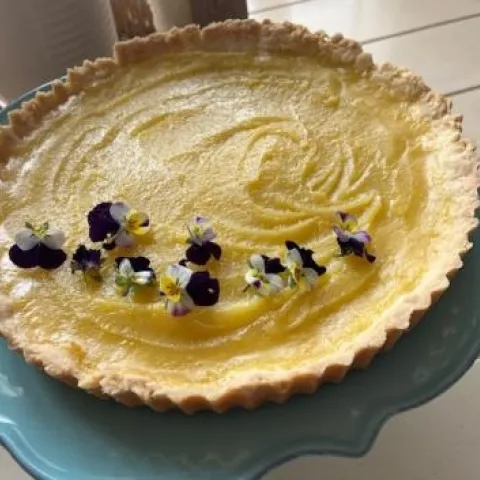
Recipes From the Garden: A Taste of the Season

March 13, 2024
Springtime is that breath of fresh air that we've been waiting for. The days are growing both brighter and longer. Now is the time to celebrate the freshness that spring offers and to have our meals reflect the best of its offerings.
View Article
Salinas Valley Agriculture: Article

CropManage Hands-on Training, Salinas CA Wed. April 3, 2024

March 13, 2024
By Michael D Cahn
Date: Wed. April 3rd, 2024 Course 8:30 am 12 pm Location: Monterey County Agriculture Conference Room 1432 Abbott St, Salinas CA 93901 Learn how to use CropManage to support irrigation and nutrient management decisions and record-keeping for your crops.
View Article
Primary Image
CRS Male
Citrus IPM News: Article

California red scale season has started in the SJV.

March 13, 2024
By Sandipa Gautam
Based on traps placed at LREC citrus blocks, California red scale season began with Biofix on March 10. Pest Control Advisors in Kern, Tulare, and Fresno County reported that they have seen activity, but the numbers have been low.
View Article
Glenn County: Article

Meeting Announcement

March 13, 2024
*Joint Shasta/Tehama Cattlemen's informational meeting* Cottonwood Community Center 20595 Gas Point Rd, Cottonwood, CA 96022 Thursday, March 28, 2024 5:30pm - 7:15pm...
View Article
Tehama County: Article

Meeting Announcement

March 13, 2024
*Joint Shasta/Tehama Cattlemen's informational meeting* Cottonwood Community Center 20595 Gas Point Rd, Cottonwood, CA 96022 Thursday, March 28, 2024 5:30pm - 7:15pm...
View Article
Primary Image
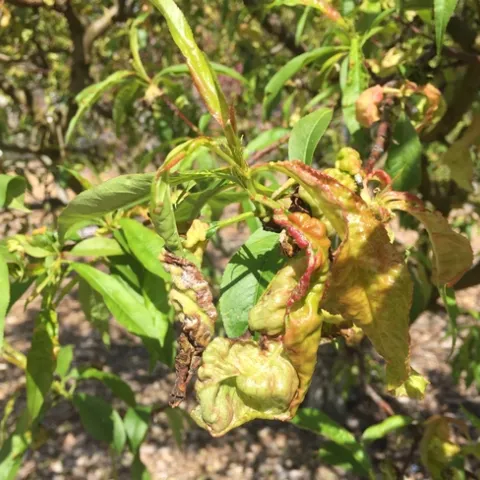
Several leaves on a branch are distorted and turning red while the others are green and healthy.
Pests in the Urban Landscape: Article

Peach Leaf Curl Control Period

March 13, 2024
By Lauren Fordyce
Spring is just around the corner and many types of fruit trees are starting to develop their leaves. If you are growing peaches or nectarines and are now seeing symptoms of peach leaf curl on new leaves, unfortunately it's too late to manage the disease.
View Article
Primary Image
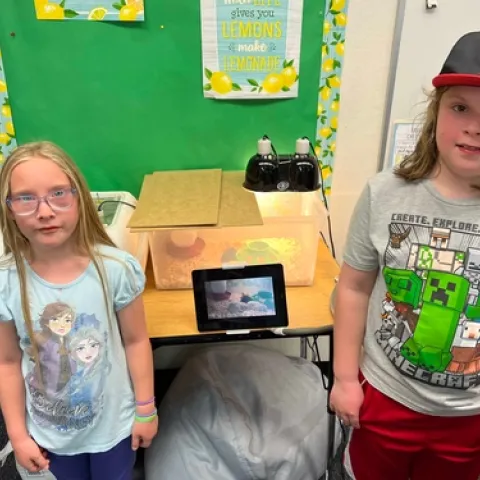
embryology in classroom
Thriving Forward: Article

Eggsploring Embryology as a 4-H Project

March 13, 2024
By Matthew R Rodriguez
For over 100 years, the 4-H program has been teaching young people about agricultural science through hands-on activities. 4-H activities are fun and youth love learning about animals, such as chickens.
View Article