A Natural Solution for California's Herds: African Catfish Peptides

California's cattle producers and agricultural communities are all too familiar with the rising challenge of antibiotic resistance, making common bacterial infections harder to treat in livestock. But imagine a future where we could tackle these infections with a natural, powerful alternative. Our research points to just that: antimicrobial peptides (AMPs) found in African catfish.

We're really excited about these peptides because African catfish thrive in pathogen-rich freshwater, naturally producing these robust immune compounds in their skin mucus as a defense. This natural origin makes them highly appealing alternatives to synthetic drugs.

Predicted Safety and Potent Action

One of the most compelling aspects of these AMPs is their predicted safety for mammals. Our initial computer analyses suggest that various catfish AMPs are generally recognized as safe (GRAS). We predict they'll be absorbed in the human intestine without causing liver, brain, or heart toxicity. Furthermore, lab tests on a promising peptide, NACAP-II, confirmed it was non-hemolytic, meaning it didn't damage rabbit red blood cells—a strong indicator of its potential safety for mammalian cells.

Beyond safety, these peptides demonstrate effectiveness against problematic bacteria. One study revealed NACAP-II's strong activity against Extended-Spectrum Beta-Lactamase (ESBL)-producing Escherichia coli—a critical concern for both animal and human health due to its resistance to many common antibiotics. Another peptide, ACAP-IV, also showed antibacterial activity against E. coli and Staphylococcus aureus. We believe these AMPs work by directly disrupting bacterial cell membranes, a mechanism that makes it harder for bacteria to develop resistance compared to how they resist traditional antibiotics.

Primary Image
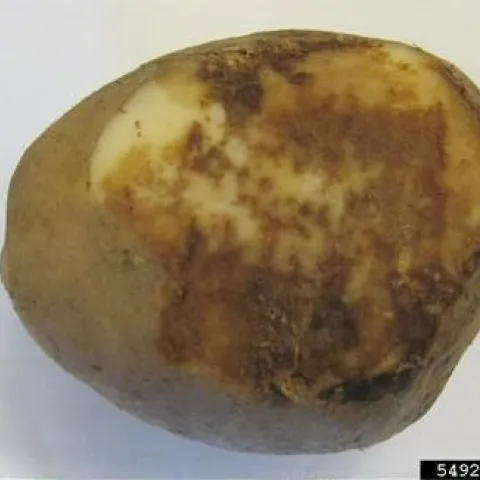
Potato showing dark marks and rotting.
The Stanislaus Sprout: Article

Saint Patrick's Day and Late Blight

March 15, 2024
By Anne E Schellman
Each year on March 17th, the death of Saint Patrick, known as the Apostle of Ireland is observed in Ireland and throughout the world wherever there are Irish people.
View Article
Primary Image
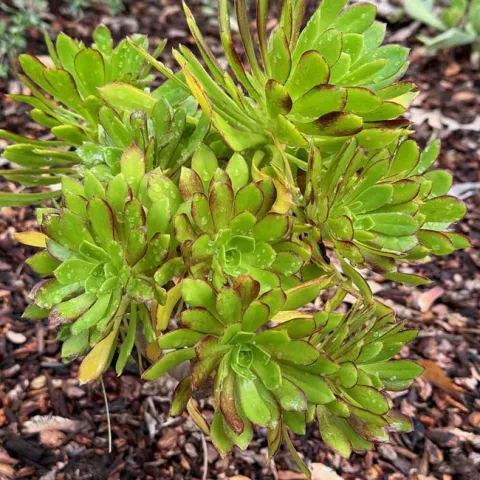
Aeonium arboreum (Tree aeonium). Laura Kling
The Real Dirt: Article

Echeveria and Sempervivum and Graptopetalum, Oh My!

March 15, 2024
The current emphasis on water-wise gardening has created an interest in succulents. All succulents are able to store water and food in their leaves, stems and roots. These stored nutrients can be released when needed. This makes them drought tolerant.
View Article
Primary Image
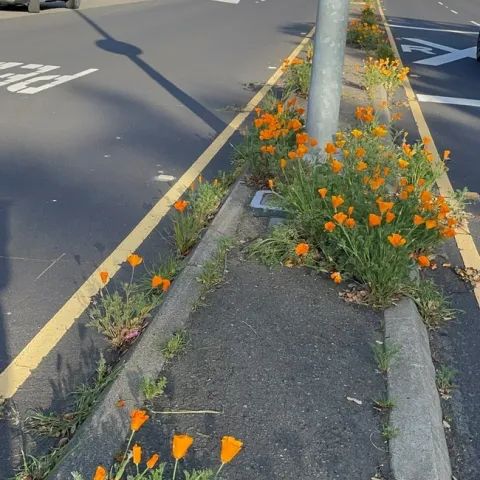
photos by Snugs Altman
Under the Solano Sun: Article

Spring is Around the Corner

March 15, 2024
Drive by beauty in Vallejo! Rain makes the Flowers grow Poppies are hardy survivors They are back! A little traffic island on Georgia Street in Vallejo is again a home for the California State flower: the Golden Poppy (Eschscholzia californica)! Every year this brilliant eruption of orange poppies a...
View Article
Primary Image
Sycamores on Elm St., Woodland. photo by Steve Radosevich
The Savvy Sage: Article

Woodland, City of Trees

March 15, 2024
While the current stretch of warm weather in Woodland is welcomed by many, it's also a warning that the likely 100-degree summer days are not too far off.
View Article
Primary Image
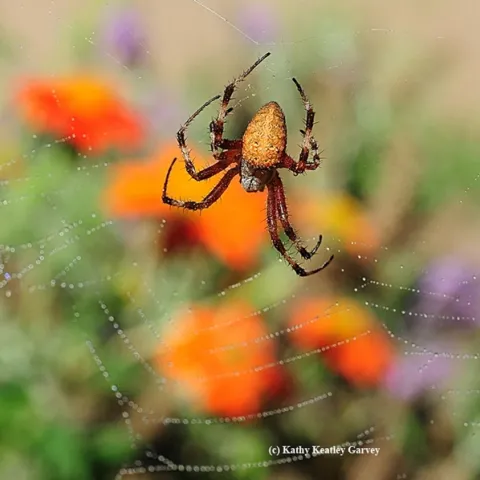
A redfemured spotted orbweaver, Neoscona domiciliorum, visiting a pollinator garden in Vacaville, Calif. (Photo by Kathy Keatley Garvey)
Bug Squad: Article

How Many Spiders Have You Saved Today?

March 14, 2024
By Kathy Keatley Garvey
It's National Save-a-Spider Day. I did not save a spider today. I did not save one yesterday, either. Or the day before. That's because I did not see any that needed saving. I frequently see them in our pollinator garden, however, and I always stop to take their image. Nationaltoday.
View Article
Primary Image
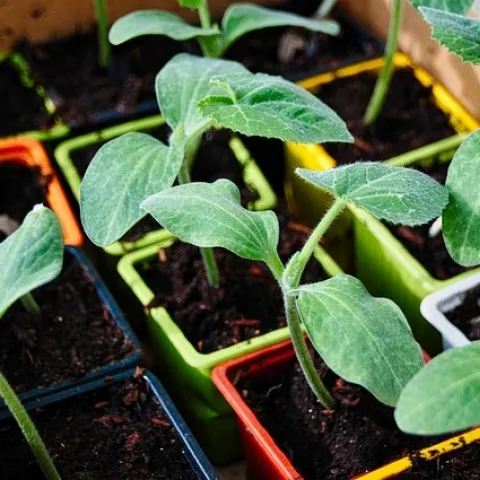
Begin planting summer herbs and vegetables in the garden. (Photo: Grégory Roose, Pixabay)
Fresno Gardening Green: Article

This week in the garden: March 15 - 22

March 14, 2024
Check out the nursery, online websites and garden books for new plant varieties that use less water. In a drought year, consider native plants suitable for our area. Tasks Remove thatch and aerate warm-season lawns (Bermuda, zoysia, St. Augustine) to allow better water penetration.
View Article
Kern County: Article

Kern UCCE/DWR Weekly Crop Water Use Report 03-11-2024

March 14, 2024
Please see below link to access "How To Use Weekly Crop Water Use (ET) Reports to Assist Farm Water Management" How to Use Weekly Crop Water Use Report Please see below link to access "Weekly ET Report 03-11-2024" ET Report 03-11-2024 Please see disclaimer link below: University of California Divisi...
View Article