A Natural Solution for California's Herds: African Catfish Peptides

California's cattle producers and agricultural communities are all too familiar with the rising challenge of antibiotic resistance, making common bacterial infections harder to treat in livestock. But imagine a future where we could tackle these infections with a natural, powerful alternative. Our research points to just that: antimicrobial peptides (AMPs) found in African catfish.

We're really excited about these peptides because African catfish thrive in pathogen-rich freshwater, naturally producing these robust immune compounds in their skin mucus as a defense. This natural origin makes them highly appealing alternatives to synthetic drugs.

Predicted Safety and Potent Action

One of the most compelling aspects of these AMPs is their predicted safety for mammals. Our initial computer analyses suggest that various catfish AMPs are generally recognized as safe (GRAS). We predict they'll be absorbed in the human intestine without causing liver, brain, or heart toxicity. Furthermore, lab tests on a promising peptide, NACAP-II, confirmed it was non-hemolytic, meaning it didn't damage rabbit red blood cells—a strong indicator of its potential safety for mammalian cells.

Beyond safety, these peptides demonstrate effectiveness against problematic bacteria. One study revealed NACAP-II's strong activity against Extended-Spectrum Beta-Lactamase (ESBL)-producing Escherichia coli—a critical concern for both animal and human health due to its resistance to many common antibiotics. Another peptide, ACAP-IV, also showed antibacterial activity against E. coli and Staphylococcus aureus. We believe these AMPs work by directly disrupting bacterial cell membranes, a mechanism that makes it harder for bacteria to develop resistance compared to how they resist traditional antibiotics.


Primary Image
Sunday Sunlight, Poe's Gardens, Madras by Ravages is licensed under CC BY-NC-SA 2.0.
The Savvy Sage: Article

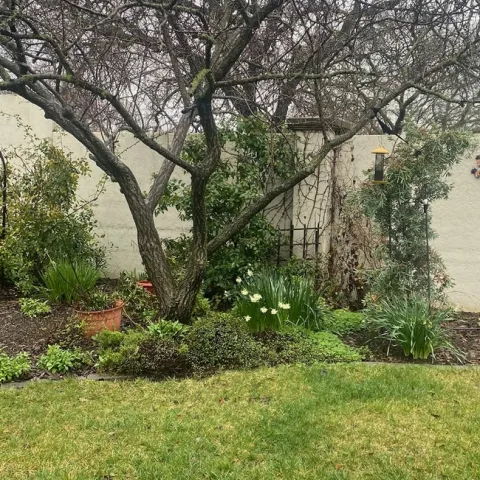
Maximizing Microclimates in Your Garden

February 6, 2024
Understanding the microclimates within your garden can unlock new possibilities for plant growth and diversity. Microclimates, small environmental pockets within a larger area, significantly influence the success of your home garden.
View Article
UCCE in the County of San Luis Obispo: Article

2024 Cattle Health Webinar Series

February 6, 2024
Starting tonight is our 2024 cattle health webinar series. We have a great line up of speakers every Tuesday night this month for cattle producers of all sizes! The event is FREE to participate but registration is required. To REGISTER click here.
View Article
Primary Image
UC Davis Distinguished Professor Emerita Lynn Kimsey, former director of the Bohart Museum of Entomology, retired Jan. 31. (Photo by Kathy Keatley Garvey)

UC Davis Program on Feb. 7: Celebrating Our Newest Emeriti

February 6, 2024
By Kathy Keatley Garvey
Seventy-three is the magic number. When Distinguished Professor Walter Leal celebrates the newest UC Davis faculty retirees with a special program at the International Center on Wednesday, Feb. 7, he'll pay tribute to 73 emeriti faculty in the cohort. Ten will serve as speakers.
View Article
Primary Image
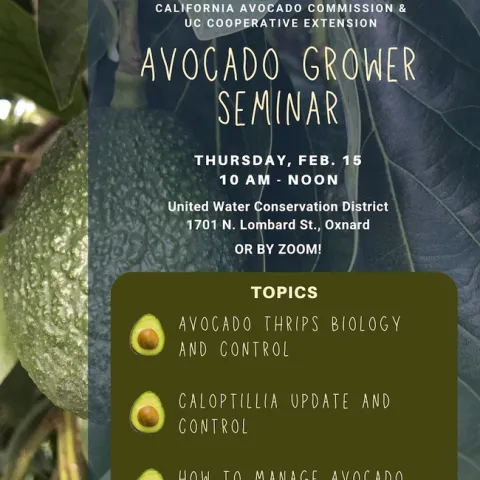
CAS Seminar 2-15

Avocado Meeting Soon

February 6, 2024
By Ben A Faber
February 15 (10 - 12 AM) Topics and Speakers Avocado Thrips Biology and Control Speakers to be announced soon Introduction to Avocado Thrips By Hamutahl Cohen, PH.D. Entomology Advisor, UC Cooperative Extension PCA Panel on Thrips Management Under Different Weather Scenarios Moderator Dr.
View Article
Primary Image
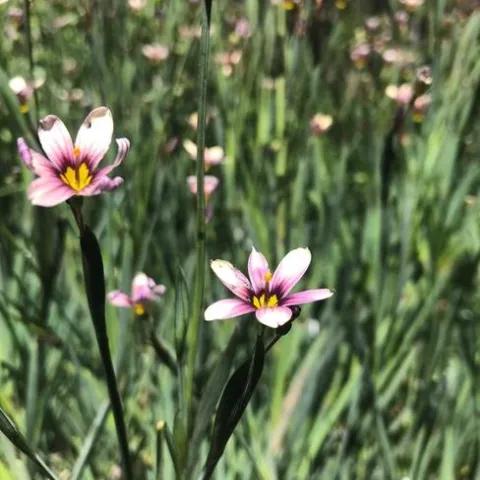
Photo by Andrea Peck
UC Master Gardeners- Diggin' it in SLO: Article

Blue Eyed Grass

February 6, 2024
Blue Eyed Grass By Andrea Peck UCCE Master Gardener Common name of plant: Blue-Eyed Grass Scientific name: Sisyrinchium bellum Planting area: USDA Zones 4-9 Size: 6-18 tall, 6-12 wide Bloom Season: Spring to Summer Exposure: Full or partial sun Water needs: Low Blue-eyed grass is an eye-catching Cal...
View Article
Primary Image
photo by Mike Gunther
Under the Solano Sun: Article

Watery Miku

February 6, 2024
A rainy New Year awakens Bringing future life to garden and landscape plants Get ready for these planting adventures...
View Article
Subtropical Fruit Crops Research & Education: Article

Winter 2024

February 5, 2024
Click here to read this issue of the Topics in Subtropics newsletter.
View Article
Cooperative Extension Ventura County: Article

Topics in Subtropics Volume 25 Winter 2024

February 5, 2024
Sandipa Gautam, Editor In this issue: California inundated with invasive fruit flies Satellite-based irrigation tools to manage irrigation water more precisely in avocado groves Managing citrus mealybug does ant control help?
View Article