A Natural Solution for California's Herds: African Catfish Peptides

California's cattle producers and agricultural communities are all too familiar with the rising challenge of antibiotic resistance, making common bacterial infections harder to treat in livestock. But imagine a future where we could tackle these infections with a natural, powerful alternative. Our research points to just that: antimicrobial peptides (AMPs) found in African catfish.

We're really excited about these peptides because African catfish thrive in pathogen-rich freshwater, naturally producing these robust immune compounds in their skin mucus as a defense. This natural origin makes them highly appealing alternatives to synthetic drugs.

Predicted Safety and Potent Action

One of the most compelling aspects of these AMPs is their predicted safety for mammals. Our initial computer analyses suggest that various catfish AMPs are generally recognized as safe (GRAS). We predict they'll be absorbed in the human intestine without causing liver, brain, or heart toxicity. Furthermore, lab tests on a promising peptide, NACAP-II, confirmed it was non-hemolytic, meaning it didn't damage rabbit red blood cells—a strong indicator of its potential safety for mammalian cells.

Beyond safety, these peptides demonstrate effectiveness against problematic bacteria. One study revealed NACAP-II's strong activity against Extended-Spectrum Beta-Lactamase (ESBL)-producing Escherichia coli—a critical concern for both animal and human health due to its resistance to many common antibiotics. Another peptide, ACAP-IV, also showed antibacterial activity against E. coli and Staphylococcus aureus. We believe these AMPs work by directly disrupting bacterial cell membranes, a mechanism that makes it harder for bacteria to develop resistance compared to how they resist traditional antibiotics.
Primary Image
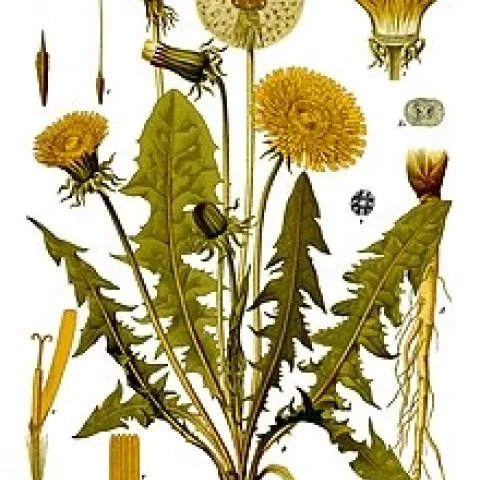
https://commons.m.wikimedia.org/wiki/File:Taraxacum_officinale_-_K%C3%B6hler%E2%80%93s_Medizinal-Pflanzen-135.jpg#mw-jump-to-license

It's Dandy-I'm Not Lyin'

February 2, 2024
When I was growing up in Southern California, one plant more than any other fascinated me. I knew the dandelion was a weed, but it was such a mysterious weed! In its flowering stage, Taraxacum officinale (T. officinale) dotted lawns, parks and schoolyards with its bursts of bright yellow petals.
View Article
UCCE Lassen County: Article

February 2024

February 2, 2024
Hello All, Here's your February 2024 issue of the 4-H Roundup newsletter. * Countywide First Aid and Safety project is being offered. * County Presentation Day registration deadline is February 15.
View Article
Primary Image
Delta rice variety trial
SJC and Delta Field Crops: Article

2023 Delta Rice Variety Trial Results

February 2, 2024
By Michelle M Leinfelder-Miles
UC Cooperative Extension collaborates with the California Rice Experiment Station to evaluate commercial varieties and advanced breeding lines. The San Joaquin County Delta location was one of nine locations in the 2023 statewide trial.
View Article
Primary Image
pest insight
Topics in Subtropics: Article

Blow Flies and CEUs?

February 2, 2024
By Ben A Faber
Register now for UC IPM's upcoming Pest Insight webinar! This webinar-style workshop aims to provide applied, scientific, and decision-based pest control information to pest control licensees. CEUs are available.
View Article
Primary Image
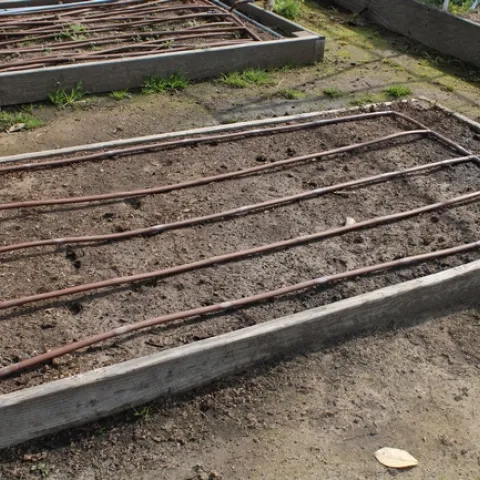
Drip hose arranged on a gardening beg.
Fresno Gardening Green: Article

Planning for possible drought and heat spikes

February 2, 2024
As of the writing of this blog at the end of January, the Fresno/Clovis/Madera region has received only 2.79 inches of rain so far this water season, less that 25 percent of the yearly average of 11.01 inches.
View Article
Primary Image
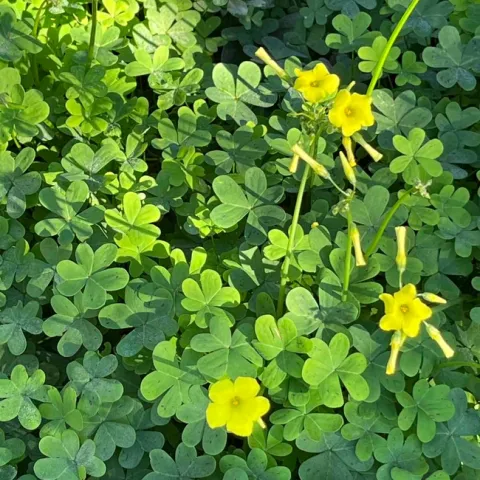
Oxalis is an aggressive spreader that is very difficult to control. J.C. Lawrence
The Real Dirt: Article

What Makes a Weed a Weed?

February 2, 2024
For many of us, gardening involves a constant battle with weeds. Basically, a weed is nothing more than a plant growing where it is not wanted, the classic example being dandelions in the lawn.
View Article