A Natural Solution for California's Herds: African Catfish Peptides

California's cattle producers and agricultural communities are all too familiar with the rising challenge of antibiotic resistance, making common bacterial infections harder to treat in livestock. But imagine a future where we could tackle these infections with a natural, powerful alternative. Our research points to just that: antimicrobial peptides (AMPs) found in African catfish.

We're really excited about these peptides because African catfish thrive in pathogen-rich freshwater, naturally producing these robust immune compounds in their skin mucus as a defense. This natural origin makes them highly appealing alternatives to synthetic drugs.

Predicted Safety and Potent Action

One of the most compelling aspects of these AMPs is their predicted safety for mammals. Our initial computer analyses suggest that various catfish AMPs are generally recognized as safe (GRAS). We predict they'll be absorbed in the human intestine without causing liver, brain, or heart toxicity. Furthermore, lab tests on a promising peptide, NACAP-II, confirmed it was non-hemolytic, meaning it didn't damage rabbit red blood cells—a strong indicator of its potential safety for mammalian cells.

Beyond safety, these peptides demonstrate effectiveness against problematic bacteria. One study revealed NACAP-II's strong activity against Extended-Spectrum Beta-Lactamase (ESBL)-producing Escherichia coli—a critical concern for both animal and human health due to its resistance to many common antibiotics. Another peptide, ACAP-IV, also showed antibacterial activity against E. coli and Staphylococcus aureus. We believe these AMPs work by directly disrupting bacterial cell membranes, a mechanism that makes it harder for bacteria to develop resistance compared to how they resist traditional antibiotics.
Primary Image
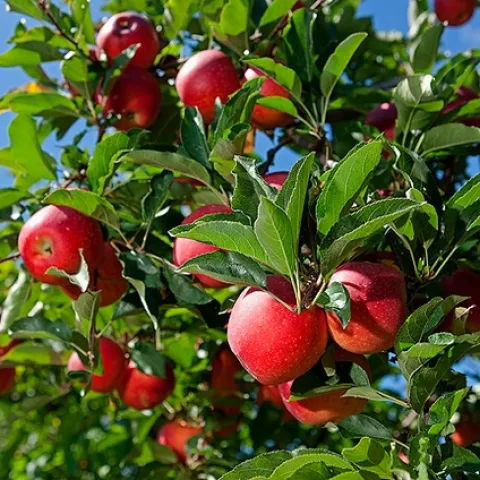
Red-skinned apples hang in a tree
Food Blog: Article

New UC studies estimate production and harvest costs for coastal apples

November 17, 2023
By Pamela S Kan-Rice
Two new studies that can help Central Coast growers and other readers estimate costs and potential returns for both organically and conventionally produced apples for processing were recently released by University of California Agriculture and Natural Resources, UC Cooperative Extension and the UC...
View Article
Primary Image
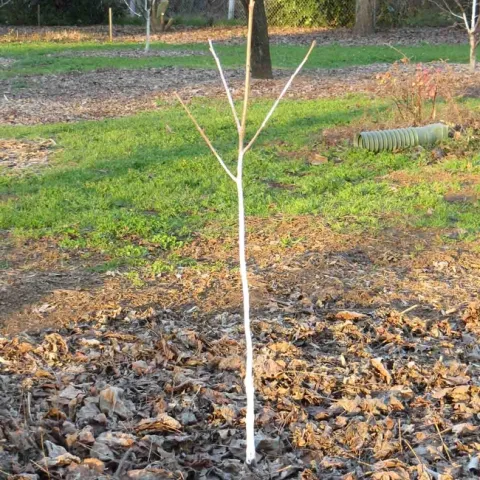
Fuyu persimmon purchased bare-root and planted. Jeanette Alosi
The Real Dirt: Article

Planting Bare-Root Fruit Trees

November 17, 2023
There are several advantages to planting bare-root trees: they are usually less expensive, easier for gardeners to transport, and they will grow their roots entirely into native soil (rather than having to transition from potting mix into dissimilar native soil).
View Article
Primary Image
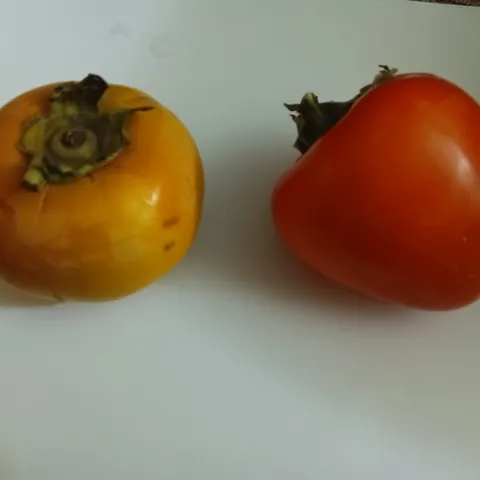
Non-astringent and astringent persimmon. photo by Kathy Low
Under the Solano Sun: Article

Asian Persimmon Time!

November 17, 2023
It's that time of year again Asian persimmon (Diospyros kaki) harvest time! If you're unfamiliar with persimmons, they're orange colored fruit native to China. Asian persimmon seeds were first import in 1863 by William Saunders of the USDA.
View Article
Primary Image
When shopping for the holidays, consider gifts of gardening tools. (Photo: Alabama Extension)
Fresno Gardening Green: Article

This week in the garden: Nov. 17 - 23

November 16, 2023
A devoted gardener would rather give or receive tools, plants or a unique garden treasure than gold, diamonds or pearls Monitor ground moisture, especially in beds and under eaves and patios Store unused fertilizers and pesticides in a dry place Dig and divide overcrowded dahlia tubers and store in...
View Article
Primary Image
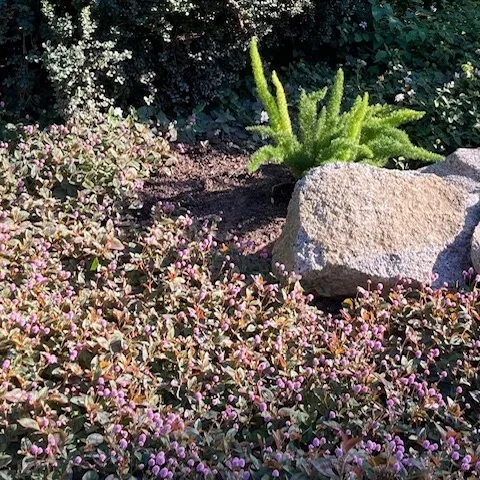
Pink knotweed groundcover in a photo taken in mid-November. (Photo: Nancy Devaurs)
Fresno Gardening Green: Article

December plant of the month: Pink knotweed

November 16, 2023
Few plants outperform pink knotweed, Polygonum capitatum, in the fall. The plant blooms throughout the spring and summer, but it's in autumn when most things in the garden are finished that pink knotweed really shines.
View Article
Primary Image
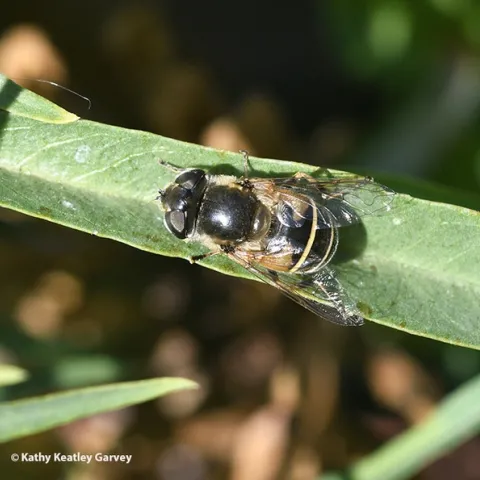
A dorsal view of a syprhid fly sunning itself on a leaf. (Photo by Kathy Keatley Garvey)
Bug Squad: Article

Syrphid Flies Are Pollinators, Too

November 16, 2023
By Kathy Keatley Garvey
Sometimes overlooked as pollinators are the syrphid flies, also known as "hover flies" or "flower flies." Unfortunately, they are often mistaken for honey bees. Hey, if it's a critter on a flower, it's a bee, right? Not necessarily! Syrphid flies are easily distinguished from honey bees.
View Article