A Natural Solution for California's Herds: African Catfish Peptides

California's cattle producers and agricultural communities are all too familiar with the rising challenge of antibiotic resistance, making common bacterial infections harder to treat in livestock. But imagine a future where we could tackle these infections with a natural, powerful alternative. Our research points to just that: antimicrobial peptides (AMPs) found in African catfish.

We're really excited about these peptides because African catfish thrive in pathogen-rich freshwater, naturally producing these robust immune compounds in their skin mucus as a defense. This natural origin makes them highly appealing alternatives to synthetic drugs.

Predicted Safety and Potent Action

One of the most compelling aspects of these AMPs is their predicted safety for mammals. Our initial computer analyses suggest that various catfish AMPs are generally recognized as safe (GRAS). We predict they'll be absorbed in the human intestine without causing liver, brain, or heart toxicity. Furthermore, lab tests on a promising peptide, NACAP-II, confirmed it was non-hemolytic, meaning it didn't damage rabbit red blood cells—a strong indicator of its potential safety for mammalian cells.

Beyond safety, these peptides demonstrate effectiveness against problematic bacteria. One study revealed NACAP-II's strong activity against Extended-Spectrum Beta-Lactamase (ESBL)-producing Escherichia coli—a critical concern for both animal and human health due to its resistance to many common antibiotics. Another peptide, ACAP-IV, also showed antibacterial activity against E. coli and Staphylococcus aureus. We believe these AMPs work by directly disrupting bacterial cell membranes, a mechanism that makes it harder for bacteria to develop resistance compared to how they resist traditional antibiotics.
San Benito County: Article

Santa Cruz & San Benito Fair Deadlines & Update

August 14, 2023
Dear 4-H Families, San Benito County Fair information and deadlines are attached. Santa Cruz county fair entry deadline is August 24 at 5:59 pm. Still exhibits for market animal exhibitors should be entered in the Youth Organizations - 4-H or FFA departments.
View Article
Santa Cruz County: Article

Santa Cruz & San Benito Fair Deadlines & Update

August 14, 2023
Dear 4-H Families, San Benito County Fair information and deadlines are attached. Santa Cruz county fair entry deadline is August 24 at 5:59 pm. Still exhibits for market animal exhibitors should be entered in the Youth Organizations - 4-H or FFA departments.
View Article
Santa Cruz County: Article

4-H fundraiser - San Benito Fair Shirts & Sweatshirts

August 14, 2023
Dear 4-H families, We are excited to offer the 100 years of Fairs shirts and sweatshirts for San Benito Fair. The profits support the 4-H program. Order your shirt and sweatshirt by August 25th. See attached order form. Thank you for your support and see you at fair, Julie Katawicz 4-H program rep.
View Article
UC Master Gardener Program Statewide Blog: Article

Sacramento County: Video Learning Reaches Larger Audiences

August 14, 2023
By Skylar Peters
In 2020 near California's state capital, UC Master Gardeners of Sacramento County awaited with excitement for its annual Harvest Day they organized each year. But the ongoing pandemic forced the cancellation of this much-anticipated event leaving the usual over 1500 attendees disappointed.
View Article
Primary Image
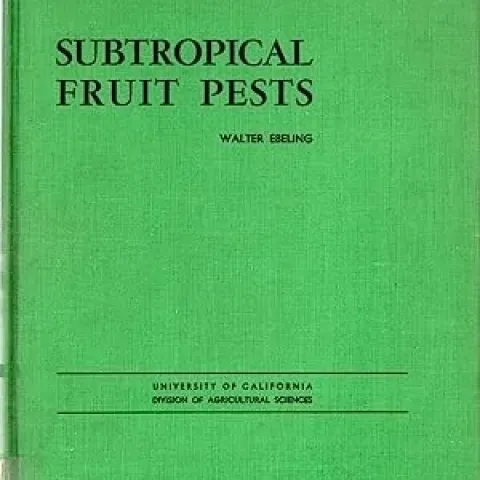
ebeling cover

Avocado Pests from the Past and Present in ONE Book

August 14, 2023
By Ben A Faber
I recently went looking for our copies of Walter Ebeling's book on pests of subtropical tree crops. It was created over 40 years ago, but is still a great reference for past pests and those that still pop up with less frequency than avocado thrips and persea mite do today.
View Article
Primary Image
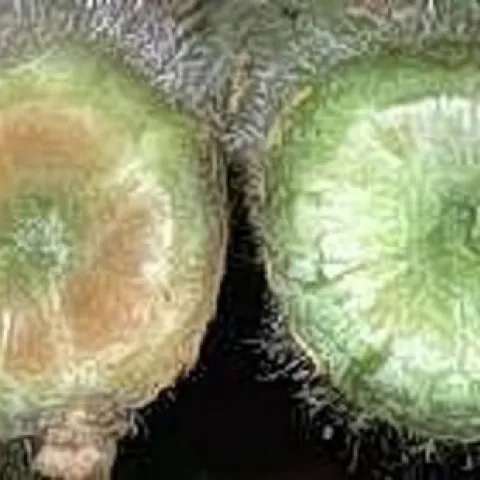
Photo of vascular discoloration typical of both Verticillium and Fusarium

Verticillium and Fusarium Wilt Diseases in Tomatoes

August 14, 2023
By Help Desk Team
Do your tomato plants suffer from lack of vigor, yellowing leaves, and poor fruit production? These symptoms are associated with many different problems, including lack of soil nutrients, excess salts in the soil or irrigation water, poor drainage or waterlogged soil, or a variety of plant diseases.
View Article
Primary Image
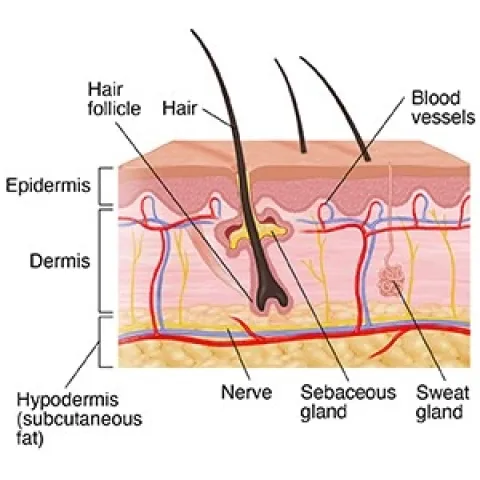
Skin Layers
Spill the Beans: Article

Some Like it Hot: Sunburn in the Garden

August 14, 2023
Did you know that the largest organ of the human body is...the skin? You have three layers of skin. The skin protects you from mechanical, thermal, biological, or chemical hazards. It prevents loss of moisture and protects you from the effects of the sun.
View Article