A Natural Solution for California's Herds: African Catfish Peptides

California's cattle producers and agricultural communities are all too familiar with the rising challenge of antibiotic resistance, making common bacterial infections harder to treat in livestock. But imagine a future where we could tackle these infections with a natural, powerful alternative. Our research points to just that: antimicrobial peptides (AMPs) found in African catfish.

We're really excited about these peptides because African catfish thrive in pathogen-rich freshwater, naturally producing these robust immune compounds in their skin mucus as a defense. This natural origin makes them highly appealing alternatives to synthetic drugs.

Predicted Safety and Potent Action

One of the most compelling aspects of these AMPs is their predicted safety for mammals. Our initial computer analyses suggest that various catfish AMPs are generally recognized as safe (GRAS). We predict they'll be absorbed in the human intestine without causing liver, brain, or heart toxicity. Furthermore, lab tests on a promising peptide, NACAP-II, confirmed it was non-hemolytic, meaning it didn't damage rabbit red blood cells—a strong indicator of its potential safety for mammalian cells.

Beyond safety, these peptides demonstrate effectiveness against problematic bacteria. One study revealed NACAP-II's strong activity against Extended-Spectrum Beta-Lactamase (ESBL)-producing Escherichia coli—a critical concern for both animal and human health due to its resistance to many common antibiotics. Another peptide, ACAP-IV, also showed antibacterial activity against E. coli and Staphylococcus aureus. We believe these AMPs work by directly disrupting bacterial cell membranes, a mechanism that makes it harder for bacteria to develop resistance compared to how they resist traditional antibiotics.
UC Master Gardeners of San Mateo & San Francisco Counties: Article

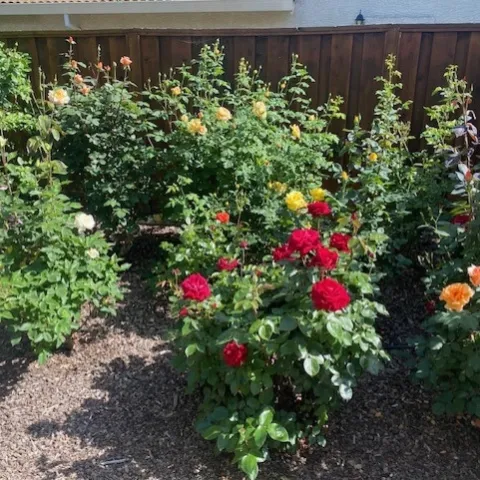
Landscape Fabric: A Cautionary Tale

February 18, 2023
Do those nice, neat rolls of weed blocking fabric seem like the perfect solution in your battle against unwanted vegetation?
View Article
Primary Image
Composting human bodies on track to become legal in Colorado (denverpost.com)

A Literal Return to the Earth

February 18, 2023
I strive to be as environmentally responsible as possible. A decade ago, my wife and I had a solar system installed that provides 90 percent of our energy. We farm our small vineyard and olive trees organically.
View Article
Primary Image
Nematologist Shahid Siddique explains some of the display items during a previous UC Davis Biodiversity Museum Day. (Photo by Kathy Keatley Garvey)
Bug Squad: Article

Don't Miss the Nematodes at UC Davis Biodiversity Museum Day

February 17, 2023
By Kathy Keatley Garvey
Don't miss the nematodes at the 12th annual UC Davis Biodiversity Museum Day on Saturday, Feb. 18. The daylong event, known as a "Super Science Day"--and free and family friendly--will showcase 11 museums or collections. It's an opportunity to ask questions and chat with the scientists.
View Article
Primary Image
White credit card that says California P-EBT with 0s for account number
Healthy Youth, Families, and Communities: Article

5 things to know about that P-EBT card

February 17, 2023
By Shannon Klisch
Did you get a P-EBT card in the mail and wonder, what is this? You're not alone. When you're ready to activate your child's P-EBT card, call the number on the back to set-up a pin and check your balance. That little card could have several hundred dollars on it.
View Article
Monterey County: Article

4-H Leader's Council Meeting February 21st, 2023

February 17, 2023
Dear 4-H families, On Tuesday, February 21st, the 4-H Leaders Council will hold its monthly meeting at 7pm. This is an in-person meeting at 1432 Abbott St, Salinas. All 4-H families are invited to attend and take part in the councils discussion and planning.
View Article
Primary Image
UCCE logo
SJC and Delta Field Crops: Article

2022 Rice Variety Trial Results and Upcoming UCCE Rice Meetings

February 17, 2023
By Michelle M Leinfelder-Miles
UC Cooperative Extension collaborates with the California Rice Experiment Station to evaluate commercial varieties and advanced breeding lines. The San Joaquin County Delta location was one of seven locations in the 2022 statewide trial.
View Article