A Natural Solution for California's Herds: African Catfish Peptides

California's cattle producers and agricultural communities are all too familiar with the rising challenge of antibiotic resistance, making common bacterial infections harder to treat in livestock. But imagine a future where we could tackle these infections with a natural, powerful alternative. Our research points to just that: antimicrobial peptides (AMPs) found in African catfish.

We're really excited about these peptides because African catfish thrive in pathogen-rich freshwater, naturally producing these robust immune compounds in their skin mucus as a defense. This natural origin makes them highly appealing alternatives to synthetic drugs.

Predicted Safety and Potent Action

One of the most compelling aspects of these AMPs is their predicted safety for mammals. Our initial computer analyses suggest that various catfish AMPs are generally recognized as safe (GRAS). We predict they'll be absorbed in the human intestine without causing liver, brain, or heart toxicity. Furthermore, lab tests on a promising peptide, NACAP-II, confirmed it was non-hemolytic, meaning it didn't damage rabbit red blood cells—a strong indicator of its potential safety for mammalian cells.

Beyond safety, these peptides demonstrate effectiveness against problematic bacteria. One study revealed NACAP-II's strong activity against Extended-Spectrum Beta-Lactamase (ESBL)-producing Escherichia coli—a critical concern for both animal and human health due to its resistance to many common antibiotics. Another peptide, ACAP-IV, also showed antibacterial activity against E. coli and Staphylococcus aureus. We believe these AMPs work by directly disrupting bacterial cell membranes, a mechanism that makes it harder for bacteria to develop resistance compared to how they resist traditional antibiotics.
Primary Image
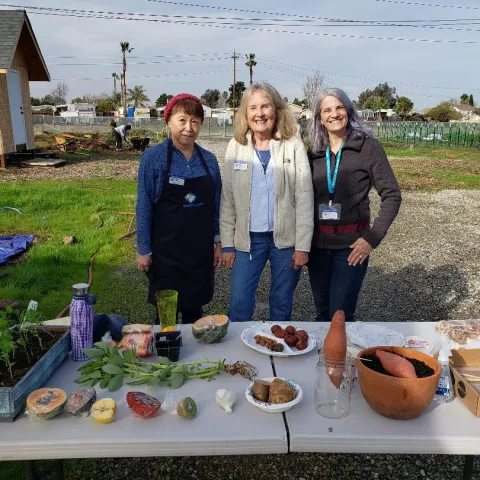
barn owl
Topics in Subtropics: Article

Study How Birds Work in Your Trees

December 16, 2022
By Ben A Faber
Role of Birds on Farms: Self-Certification This 10 lesson virtual course teaches agricultural professionals and farmers how to support beneficial birds and manage pest birds on farms.
View Article
Primary Image
Ceanothus 'Concha,' Jeanette Alosi
The Real Dirt: Article

Plant Suggestions for your Rain Garden

December 16, 2022
Last week in this column we suggested creating a swale in your home garden to capture rain and practice effective water conservation. If you have been inspired to start planning a swale, you may be looking forward to the fun of selecting plants for this garden feature.
View Article
Primary Image
Rain beetles collected in the Shenandoah Valley of Plymouth, Amador County. (Photo by Kathy Keatley Garvey)
Bug Squad: Article

Ever Seen a Rain Beetle?

December 15, 2022
By Kathy Keatley Garvey
Ever seen a rain beetle? During these winter rainstorms, keep your eye out for the rain beetle, genus Pleocoma, family Pleocomidae. You may see them before sunrise or just after sunset. The males can fly only a couple of hours before they die. The females are flightless.
View Article
Primary Image
A houseplant with yellow leaves.
Pests in the Urban Landscape: Article

2023 Webinars Announced

December 15, 2022
By Lauren Fordyce
The new year brings new webinars from the UC IPM Urban and Community Program! Mark your calendars and register now for these informative presentations, held every third Thursday from 12:00-1:00pm PST.
View Article
Under the Solano Sun: Article

Glorious Late Fall Tree

December 15, 2022
Every year I'm stunned by my neighbor's Ginkgo biloba trees. These two trees put on a beautiful show just when most deciduous trees and shrubs have dropped their leaves. I've been admiring them for over 28 years (that's when we moved in, and they were full grown then).
View Article
Primary Image
Entomologist Jeff Smith, curator of the Lepidoptera collection at the Bohart Museum, shows visitors some of the specimens. (Photo by Kathy Keatley Garvey)
Bug Squad: Article

Bohart Museum of Entomology: Limited Hours During the Holiday Season

December 14, 2022
By Kathy Keatley Garvey
If you're planning to visit the Bohart Museum of Entomology on the University of Davis, campus, the hours are limited during the holiday season. Tabatha Yang, education and outreach coordinator, announced today: The last day in December that we are open to the public is Thursday, Dec. 15 from 9 a.m.
View Article