A Natural Solution for California's Herds: African Catfish Peptides

California's cattle producers and agricultural communities are all too familiar with the rising challenge of antibiotic resistance, making common bacterial infections harder to treat in livestock. But imagine a future where we could tackle these infections with a natural, powerful alternative. Our research points to just that: antimicrobial peptides (AMPs) found in African catfish.

We're really excited about these peptides because African catfish thrive in pathogen-rich freshwater, naturally producing these robust immune compounds in their skin mucus as a defense. This natural origin makes them highly appealing alternatives to synthetic drugs.

Predicted Safety and Potent Action

One of the most compelling aspects of these AMPs is their predicted safety for mammals. Our initial computer analyses suggest that various catfish AMPs are generally recognized as safe (GRAS). We predict they'll be absorbed in the human intestine without causing liver, brain, or heart toxicity. Furthermore, lab tests on a promising peptide, NACAP-II, confirmed it was non-hemolytic, meaning it didn't damage rabbit red blood cells—a strong indicator of its potential safety for mammalian cells.

Beyond safety, these peptides demonstrate effectiveness against problematic bacteria. One study revealed NACAP-II's strong activity against Extended-Spectrum Beta-Lactamase (ESBL)-producing Escherichia coli—a critical concern for both animal and human health due to its resistance to many common antibiotics. Another peptide, ACAP-IV, also showed antibacterial activity against E. coli and Staphylococcus aureus. We believe these AMPs work by directly disrupting bacterial cell membranes, a mechanism that makes it harder for bacteria to develop resistance compared to how they resist traditional antibiotics.
Primary Image
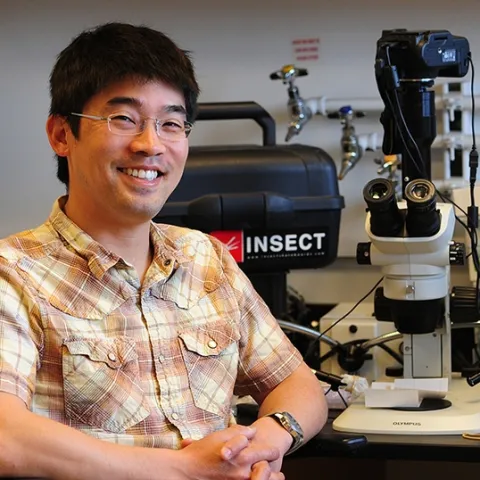
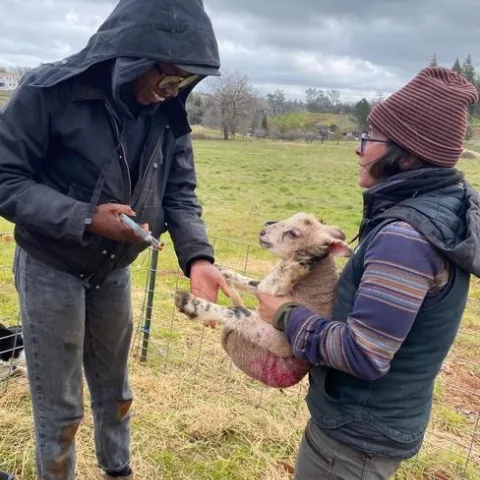
Nematologist Shahid Siddique, assistant professor in the UC Davis Department of Entomology and Nematology faculty, answers questions at the 2021 UC Davis Biodiversity Museum Day. (Photo by Kathy Keatley Garvey)
Bug Squad: Article

Mark Your Calendars! UC Davis Biodiversity Museum Day is Feb. 18

December 16, 2022
By Kathy Keatley Garvey
Mark your calendars! The 12th annual UC Davis Biodiversity Museum Day, billed as "A Day to Celebrate Science," is set for Saturday, Feb. 18. Traditionally held during Presidents' Day Weekend, the event is free and family friendly. Parking is also free.
View Article
Primary Image
Go Paperless. Take it easy, taxes are hard enough. Securely access 1095-c and W-2. Opt into digital access in a snap for your 1095-c and W-2. Save time by accessing 1095-c and W-2 online Safe, easy and efficient.
ANR Employee News: Article

Go paperless with UCPath

December 16, 2022
By Pamela S Kan-Rice
There are many good reasons to go paperless, and UCPath is making it easier than ever. Now you can sign up for electronic delivery of your 1095-C, as well as your W-2, tax form in your UCPath online account.
View Article
Primary Image
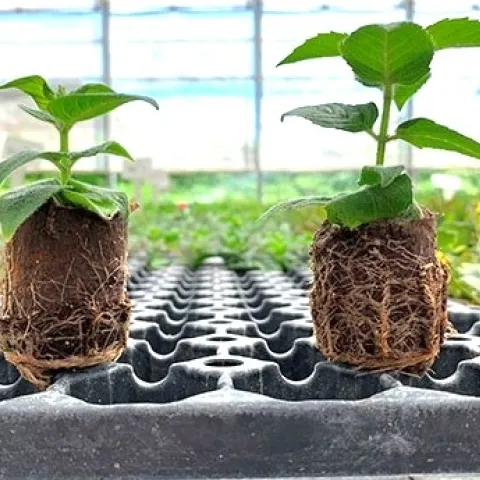
INSV Table
Salinas Valley Agriculture: Article

First Steps in Managing INSV In Lettuce Production Fields Starts Now

December 16, 2022
By Richard F Smith
Richard Smith, Vegetable Crops Advisor; Kirsten Pearsons, Entomology Advisor; and Yu-Chen Wang, Plant Pathology Advisor, UCCE Monterey, Santa Cruz and San Benito Counties This is just a reminder of the need to control weeds on ranches this winter to reduce the overwintering habitat for Impatiens Nec...
View Article
Primary Image
IPM with Diego graphic.
Pests in the Urban Landscape: Article

IPM with Diego: New UC IPM YouTube Series

December 16, 2022
By Lauren Fordyce
Check out UC IPM's new YouTube series IPM with Diego! These short videos are presented from the viewpoint of Diego, a teenager who is not an expert in pest management. However, he explains basic integrated pest management concepts using simple terms and examples that anyone can do.
View Article