A Natural Solution for California's Herds: African Catfish Peptides

California's cattle producers and agricultural communities are all too familiar with the rising challenge of antibiotic resistance, making common bacterial infections harder to treat in livestock. But imagine a future where we could tackle these infections with a natural, powerful alternative. Our research points to just that: antimicrobial peptides (AMPs) found in African catfish.

We're really excited about these peptides because African catfish thrive in pathogen-rich freshwater, naturally producing these robust immune compounds in their skin mucus as a defense. This natural origin makes them highly appealing alternatives to synthetic drugs.

Predicted Safety and Potent Action

One of the most compelling aspects of these AMPs is their predicted safety for mammals. Our initial computer analyses suggest that various catfish AMPs are generally recognized as safe (GRAS). We predict they'll be absorbed in the human intestine without causing liver, brain, or heart toxicity. Furthermore, lab tests on a promising peptide, NACAP-II, confirmed it was non-hemolytic, meaning it didn't damage rabbit red blood cells—a strong indicator of its potential safety for mammalian cells.

Beyond safety, these peptides demonstrate effectiveness against problematic bacteria. One study revealed NACAP-II's strong activity against Extended-Spectrum Beta-Lactamase (ESBL)-producing Escherichia coli—a critical concern for both animal and human health due to its resistance to many common antibiotics. Another peptide, ACAP-IV, also showed antibacterial activity against E. coli and Staphylococcus aureus. We believe these AMPs work by directly disrupting bacterial cell membranes, a mechanism that makes it harder for bacteria to develop resistance compared to how they resist traditional antibiotics.
Primary Image
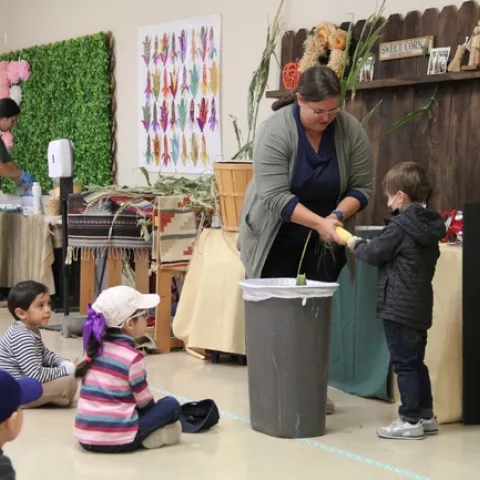
An example of a neighborhood food exchange table, Butte County Local Food Network
The Real Dirt: Article

The Butte County Local Food Network and its 1,000 Acres More Project

November 25, 2022
If the past few years have taught us anything, we must now admit that disasters happen close to home. Wildfires, drought, flood and the Covid-19 pandemic have given us many opportunities to help our neighbors and reevaluate our assumptions about where to turn in times of need.
View Article
Primary Image
A crowd of smiling men and women.
ANR Employee News: Article

Poster and exhibit proposals for UC ANR Statewide Conference due Dec. 9

November 24, 2022
By Pamela S Kan-Rice
All UC ANR academics, programmatic and administrative staff and county-funded staff are invited to join leadership at the UC ANR Statewide Conference in Fresno as we begin to map UC ANR's path in advancing the health, success and sustainability of this unique and bountiful state by 2040.
View Article
Primary Image
A squash bee, Peponapis pruinosa, pollinating a squash blossom. (Photo by Kathy Keatley Garvey)
Bug Squad: Article

Time to 'Bee' Thankful

November 24, 2022
By Kathy Keatley Garvey
It's Thanksgiving Day, and as we sit down with family and friends to count our blessings, let's thank the bees.
View Article
Primary Image
Photo by Polly Nelson
UC Master Gardeners- Diggin' it in SLO: Article

Cape Honeysuckle

November 23, 2022
Cape Honeysuckle By Polly Nelson UCCE Master Gardener Common name: Cape Honeysuckle Scientific name: Tecomaria Capensis Planting Area: USDA 9-11 Size: 7-10 feet, or more, if not pruned regularly, 4-5 feet wide Bloom Season: Summer through winter Exposure: Full sun to part shade Pruning needs: Freque...
View Article
Primary Image
Photo by Ardis Neilsen
UC Master Gardeners- Diggin' it in SLO: Article

Hens And Chicks

November 23, 2022
Hens And Chicks By Ardis Neilsen UCCE Master Gardener Common Name: hen-and-chicks or houseleeks Scientific Name: Sempervivum calcareum Planting Area: USDA 5-10 Size:width - 5 to 10 inches, height - 4 to 6 inches Growing Season: perennial Exposure: full sun, partial shade in hotter climates Pruning N...
View Article
Nutrition Policy Institute News: Article

NPI receives grant to evaluate the impact of the California Fruit and Vegetable pilot on farmers markets and CalFresh shoppers

November 23, 2022
By Danielle Lee, Wendi Gosliner
The California Fruit and Vegetable EBT Pilot Project aims to develop and refine a scalable model for increasing the purchase and consumption of California-grown fresh fruits and vegetables by delivering supplemental benefits to CalFresh recipients in a way that can be easily adopted by USDA Food and...
View Article
Kern County: Article

Green Scene November 2022

November 23, 2022
Meetings and Announcements A New and Free Publication on Principals of Xeriscape Spring 2023 Horticultural Tour, and Possible Future Tours 40th Annual Landscape Management Seminar Autumn Color Development in Shade Trees...
View Article
Primary Image
A syrphid fly touches down on a zinnia, unaware of a stalking jumping spider. (Photo by Kathy Keatley Garvey)
Bug Squad: Article

The Spider, the Syrphid and the Zinnia

November 23, 2022
By Kathy Keatley Garvey
What are you having for Thanksgiving? Turkey and all the trimmings? Well, this little jumping spider had his sights set on ambushing a delicious syrphid fly.
View Article