A Natural Solution for California's Herds: African Catfish Peptides

California's cattle producers and agricultural communities are all too familiar with the rising challenge of antibiotic resistance, making common bacterial infections harder to treat in livestock. But imagine a future where we could tackle these infections with a natural, powerful alternative. Our research points to just that: antimicrobial peptides (AMPs) found in African catfish.

We're really excited about these peptides because African catfish thrive in pathogen-rich freshwater, naturally producing these robust immune compounds in their skin mucus as a defense. This natural origin makes them highly appealing alternatives to synthetic drugs.

Predicted Safety and Potent Action

One of the most compelling aspects of these AMPs is their predicted safety for mammals. Our initial computer analyses suggest that various catfish AMPs are generally recognized as safe (GRAS). We predict they'll be absorbed in the human intestine without causing liver, brain, or heart toxicity. Furthermore, lab tests on a promising peptide, NACAP-II, confirmed it was non-hemolytic, meaning it didn't damage rabbit red blood cells—a strong indicator of its potential safety for mammalian cells.

Beyond safety, these peptides demonstrate effectiveness against problematic bacteria. One study revealed NACAP-II's strong activity against Extended-Spectrum Beta-Lactamase (ESBL)-producing Escherichia coli—a critical concern for both animal and human health due to its resistance to many common antibiotics. Another peptide, ACAP-IV, also showed antibacterial activity against E. coli and Staphylococcus aureus. We believe these AMPs work by directly disrupting bacterial cell membranes, a mechanism that makes it harder for bacteria to develop resistance compared to how they resist traditional antibiotics.
Under the Solano Sun: Article

August Gardening

August 25, 2022
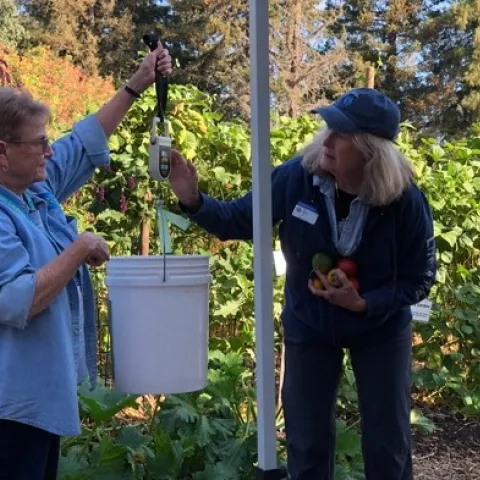
As the sun begins to get lower and our shadows become longer, it's a reminder that even in the midst of summer, fall is not far behind. With that in mind, our August gardening takes a turn toward care-taking and preparation for the seasons to come.
View Article
Primary Image
UC Davis distinguished professor Walter Leal is the sixth UC Davis faculty member to be be named Honorary Member of the Entomological Society of America. (Photo by Kathy Keatley Garvey)
Bug Squad: Article

Congrats to Three Outstanding Entomologists

August 24, 2022
By Kathy Keatley Garvey
Congratulations to the three newly selected Honorary Members of the Entomological Society of America (ESA): UC Davis distinguished professor Walter Leal, UC Davis-educated Melody Keena, a research entomologist with the U.S.
View Article
Strawberries and Caneberries: Article

Biodegradable Mulch Field Day September 9

August 24, 2022
By Mark P Bolda
Just letting you all know that we are having our field day for an update on our biodegradable mulch work in strawberry this coming September 9 at the Naturipe Berry Farms, 154 CA-156. Starts at 9 am and goes until 11.
View Article
Primary Image
Jelly and Scone on Plate
Master Food Preserver SLO/SB Counties: Article

Wine by Another Name...Jelly!

August 24, 2022
Have you ever wondered what to do with leftover wine or perhaps a bottle that didn't quite suit your taste? I know I have been in this predicament a few times.
View Article
Primary Image
UC Davis distinguished professor Walter Leal is a newly selected Honorary Member of the Entomological Society of America. He is the sixth UC Davis faculty member to achieve the honor, the highest honor that ESA accords. (Photo by Kathy Keatley Garvey)
Entomology & Nematology News: Article

UC Davis Distinguished Professor Walter Leal Selected Honorary Member of ESA

August 24, 2022
By Kathy Keatley Garvey
World-renowned entomologist Walter Soares Leal, a UC Davis distinguished professor known for his outstanding research, leadership, teaching and public service, is a newly selected Honorary Member of the Entomological Society of America, the highest honor that the 7000-member ESA accords.
View Article
Primary Image
Several golden bees resting on an orange flower together.
The Stanislaus Sprout: Article

More than Honey Bees

August 23, 2022
By Anne E Schellman
When you see bees in your garden, you likely see primarily European honeybees, who are crucially important to the Central Valley's agriculture since honeybees pollinate 90% our almond crop.
View Article