A Natural Solution for California's Herds: African Catfish Peptides

California's cattle producers and agricultural communities are all too familiar with the rising challenge of antibiotic resistance, making common bacterial infections harder to treat in livestock. But imagine a future where we could tackle these infections with a natural, powerful alternative. Our research points to just that: antimicrobial peptides (AMPs) found in African catfish.

We're really excited about these peptides because African catfish thrive in pathogen-rich freshwater, naturally producing these robust immune compounds in their skin mucus as a defense. This natural origin makes them highly appealing alternatives to synthetic drugs.

Predicted Safety and Potent Action

One of the most compelling aspects of these AMPs is their predicted safety for mammals. Our initial computer analyses suggest that various catfish AMPs are generally recognized as safe (GRAS). We predict they'll be absorbed in the human intestine without causing liver, brain, or heart toxicity. Furthermore, lab tests on a promising peptide, NACAP-II, confirmed it was non-hemolytic, meaning it didn't damage rabbit red blood cells—a strong indicator of its potential safety for mammalian cells.

Beyond safety, these peptides demonstrate effectiveness against problematic bacteria. One study revealed NACAP-II's strong activity against Extended-Spectrum Beta-Lactamase (ESBL)-producing Escherichia coli—a critical concern for both animal and human health due to its resistance to many common antibiotics. Another peptide, ACAP-IV, also showed antibacterial activity against E. coli and Staphylococcus aureus. We believe these AMPs work by directly disrupting bacterial cell membranes, a mechanism that makes it harder for bacteria to develop resistance compared to how they resist traditional antibiotics.

Primary Image
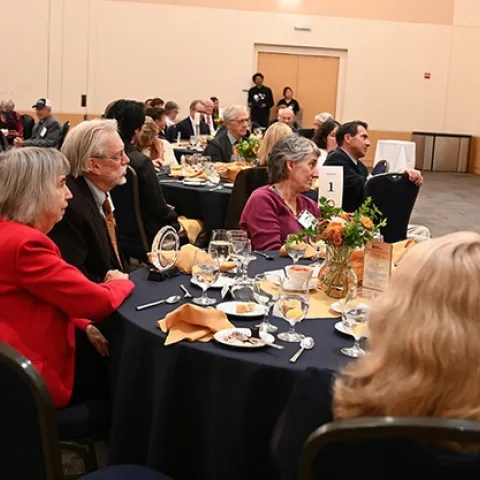
Helene Dillard, dean of the UC Davis College of Agricultural and Environmental Sciences, presents the Exceptional Emeriti Faculty Award to honey bee geneticist Robert E. Page Jr. (Photo by Kathy Keatley Garvey)

Standing Ovation for Honey Bee Geneticist Robert E. Page Jr.

November 14, 2022
By Kathy Keatley Garvey
It was like coming home when acclaimed honey bee geneticist Robert E. Page Jr., stepped forward to accept the Exceptional Emeriti Faculty Award from Helene Dillard, dean of the UC Davis College of Agricultural and Environmental Sciences (CA&ES).
View Article
Primary Image
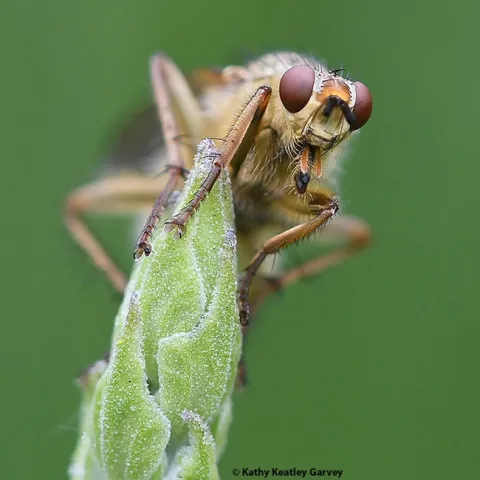
This image of a golden dung fly, taken in Vacaville, Calif., won the Entomological Society of America medal at the 64th annual international Insect Salon. (Photo by Kathy Keatley Garvey)
Entomology & Nematology News: Article

UC Davis Communicator Wins the ESA Medal at International Photography Competition

November 14, 2022
By Kathy Keatley Garvey
An image of a golden dung fly by Kathy Keatley Garvey, communications specialist for the UC Davis Department of Entomology and Nematology, won the Entomological Society of America (ESA) medal for "Best Image by an ESA Member" in the 64th annual International Insect Salon competition.
View Article
Primary Image
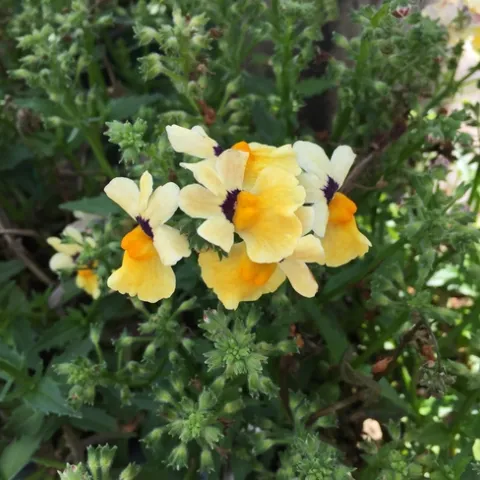
Photo by Polly Nelson

Nemesia

November 14, 2022
Nemesia By Polly Nelson UCCE Master Gardener Common Name: Nemesia Scientific Name: Scrophulariaceae Planting area: Sunset zone 14-24, some species 1-24 Size: 1-2' high, 1' wide Bloom Season: Spring to summer Exposure: Full sun Pruning needs: Deadhead; annual cut-back to promote regrowth Water needs:...
View Article
Article

Open Enrollment ends Friday, Nov. 18

November 14, 2022
By Pamela S Kan-Rice
UC's Open Enrollment for 2023 benefits ends on Friday, Nov. 18, at 5 p.m. Visit https://ucnet.universityofcalifornia.edu/oe to submit your choices. UC will continue to offer the same benefit plans as this year for faculty and staff.
View Article
Primary Image
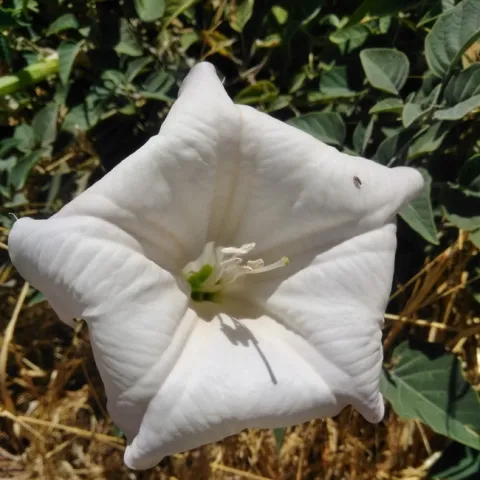
datura wrightii closeup
UC Weed Science (weed control, management, ecology, and minutia): Article

2022 weeds in review

November 14, 2022
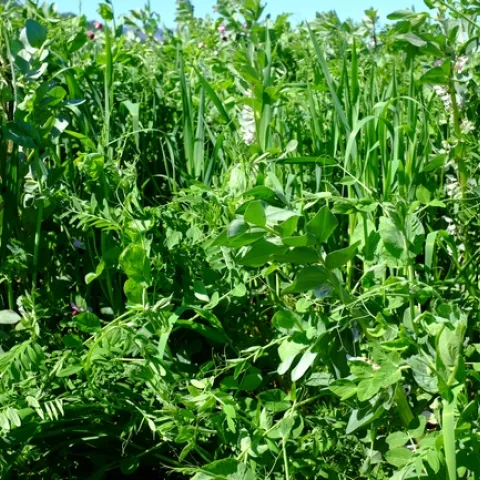
This year, I received a variety of questions from livestock owners in the region. All of the weeds I mention here were of concern to owners managing smaller (less than 20 ac) properties in Fresno and Madera Counties, impacting multiple kinds of livestock horses, sheep, and cattle.
View Article

UC Weed Science Farm Advisor position in San Joaquin Valley

November 14, 2022
By Brad Hanson
Great opportunity to join the UC cooperative extension as a weed science farm advisor! In addition to the Orchard Systems and Weed Ecology Advisor position in Colusa County posted last month (and open until November 30th) (link HERE), UC ANR just posted another Weed Ecology position to be headquarte...
View Article
Primary Image
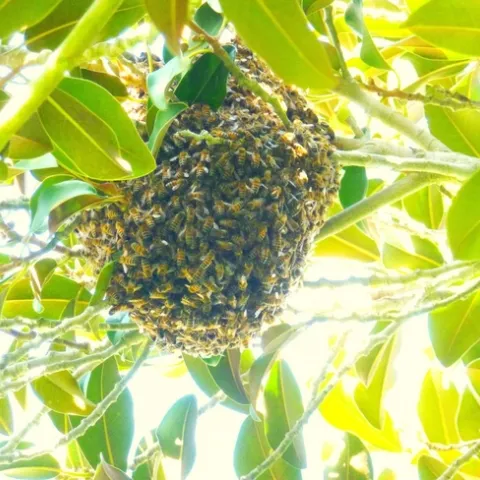
bee swarm

Anthophila: antho- (“flower”) + -phila (“lover, liker”)

November 14, 2022
By Ben A Faber
Put a bunch of natural historians together with their collections and images and what do you end up with - a collection of all the bee species held by some of the biggest entomology institutions around the United States: https://big-bee.net/#overview https://library.big-bee.net/portal/index.
View Article