A Natural Solution for California's Herds: African Catfish Peptides

California's cattle producers and agricultural communities are all too familiar with the rising challenge of antibiotic resistance, making common bacterial infections harder to treat in livestock. But imagine a future where we could tackle these infections with a natural, powerful alternative. Our research points to just that: antimicrobial peptides (AMPs) found in African catfish.

We're really excited about these peptides because African catfish thrive in pathogen-rich freshwater, naturally producing these robust immune compounds in their skin mucus as a defense. This natural origin makes them highly appealing alternatives to synthetic drugs.

Predicted Safety and Potent Action

One of the most compelling aspects of these AMPs is their predicted safety for mammals. Our initial computer analyses suggest that various catfish AMPs are generally recognized as safe (GRAS). We predict they'll be absorbed in the human intestine without causing liver, brain, or heart toxicity. Furthermore, lab tests on a promising peptide, NACAP-II, confirmed it was non-hemolytic, meaning it didn't damage rabbit red blood cells—a strong indicator of its potential safety for mammalian cells.

Beyond safety, these peptides demonstrate effectiveness against problematic bacteria. One study revealed NACAP-II's strong activity against Extended-Spectrum Beta-Lactamase (ESBL)-producing Escherichia coli—a critical concern for both animal and human health due to its resistance to many common antibiotics. Another peptide, ACAP-IV, also showed antibacterial activity against E. coli and Staphylococcus aureus. We believe these AMPs work by directly disrupting bacterial cell membranes, a mechanism that makes it harder for bacteria to develop resistance compared to how they resist traditional antibiotics.


UC Master Gardener Program of Contra Costa County: Article

Loose Leaves for this Fall

September 28, 2025
By Hedwig L Van Den Broeck
 Autumn in the garden is full of change—and so are the updates. From must-see events to practical tips and timely reminders before Master Gardener Volunteers will take a short break during the holidays. Here is a quick round-up to keep you informed, inspired, and ready for the season. Upcoming…
View Article
Primary Image
an array of ranunculus flowers
Over the Fence (Alameda County): Article

Fall Garden Opportunities: Planting Bulbs for Spring Blooms

September 28, 2025
By Manya Scheps
IntroductionIt’s nearing the end of the warm season in Alameda County, but despite shortening days and cooling temperatures, there’s still an opportunity to get into the garden and plant something new. Planting spring-blooming bulbs in fall is a relatively easy task that will reward you (and pollinators!)…
View Article
Primary Image
an array of ranunculus flowers
Over the Fence (Alameda County): Article

Fall Garden Opportunities: Planting Bulbs for Spring Blooms

September 28, 2025
By Manya Scheps
IntroductionIt’s nearing the end of the warm season in Alameda County, but despite shortening days and cooling temperatures, there’s still an opportunity to get into the garden and plant something new. Planting spring-blooming bulbs in fall is a relatively easy task that will reward you (and pollinators!)…
View Article
Supporting Small Farms: Article

Biodegradable Plastic Mulch: Is it Right for your Farm?

September 28, 2025
By Manpreet Singh
For decades, growers have relied on conventional polyethylene (PE) plastic mulch for its many benefits as it helps control weeds, conserve soil moisture, warm the soil for earlier harvests, increase crop yield and quality. These advantages have made PE mulch a staple in the production of high-value…
View Article
Primary Image
Large group standing on lawn
ANR Employee News: Article

UCCE Monterey County hosts CUCSA delegates

September 28, 2025
By Pamela S Kan-Rice
 UC ANR hosted the systemwide Council of UC Staff Assemblies (CUCSA) Summer Quarter Meeting at the UC Cooperative Extension Monterey County office in Salinas on Sept. 3–5. This was the first CUCSA meeting held at a UC ANR location.CUCSA includes representatives from all UC campuses, Lawrence…
View Article
Primary Image
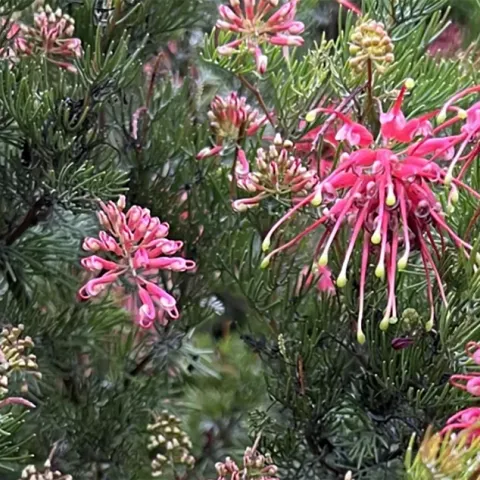
Spider Net Grevillea photo by Liv Imset
UC Master Gardener Program of Contra Costa County: Article

Seasonal Update on our West County Demo Gardens

September 28, 2025
By Hedwig L Van Den Broeck
There are two MGCC Gardens in West County: the Low Water Garden in Richmond, a Master Gardener of Contra Costa County (MGCC) demonstration garden, and the Water Conservation Garden in El Cerrito. We hereby note that a Seasonal Update on our East and Central Demo Gardens has also been published in a separate…
View Article
Placer County 4-H: Page

Team Roles

Leadership Oversight Committee (full description)The Leadership Oversight Committee (LOC) provides leadership and guidance and coordinates the work of the Placer County 4-H Leadership Team. The LOC has the administrative authority and responsibility to approve annual and ad hoc program plans and budgets…
View Page
ANR Employee News: Article

Webinars cover what to know before you buy forestland

September 27, 2025
By Kimberly C Ingram
 The Forest Stewardship Team is collaborating with the UC ANR Fire Network to host a three-part webinar series this fall titled “Before You Buy Forestland.” Goals for this series are to provide prospective landowners with tools and resources that they can use before they buy …
View Article
Placer County 4-H: Page

County Leadership Team

The Placer County 4-H Leadership Team is the coordinating body representing 4-H personnel, 4-H adult volunteers, program partners, and intermediate and senior 4-H members representing all 4-H delivery modes. The Placer County 4-H Leadership Team provides a structure for personnel, volunteers, and youth…
View Page