A Natural Solution for California's Herds: African Catfish Peptides

California's cattle producers and agricultural communities are all too familiar with the rising challenge of antibiotic resistance, making common bacterial infections harder to treat in livestock. But imagine a future where we could tackle these infections with a natural, powerful alternative. Our research points to just that: antimicrobial peptides (AMPs) found in African catfish.

We're really excited about these peptides because African catfish thrive in pathogen-rich freshwater, naturally producing these robust immune compounds in their skin mucus as a defense. This natural origin makes them highly appealing alternatives to synthetic drugs.

Predicted Safety and Potent Action

One of the most compelling aspects of these AMPs is their predicted safety for mammals. Our initial computer analyses suggest that various catfish AMPs are generally recognized as safe (GRAS). We predict they'll be absorbed in the human intestine without causing liver, brain, or heart toxicity. Furthermore, lab tests on a promising peptide, NACAP-II, confirmed it was non-hemolytic, meaning it didn't damage rabbit red blood cells—a strong indicator of its potential safety for mammalian cells.

Beyond safety, these peptides demonstrate effectiveness against problematic bacteria. One study revealed NACAP-II's strong activity against Extended-Spectrum Beta-Lactamase (ESBL)-producing Escherichia coli—a critical concern for both animal and human health due to its resistance to many common antibiotics. Another peptide, ACAP-IV, also showed antibacterial activity against E. coli and Staphylococcus aureus. We believe these AMPs work by directly disrupting bacterial cell membranes, a mechanism that makes it harder for bacteria to develop resistance compared to how they resist traditional antibiotics.

Primary Image
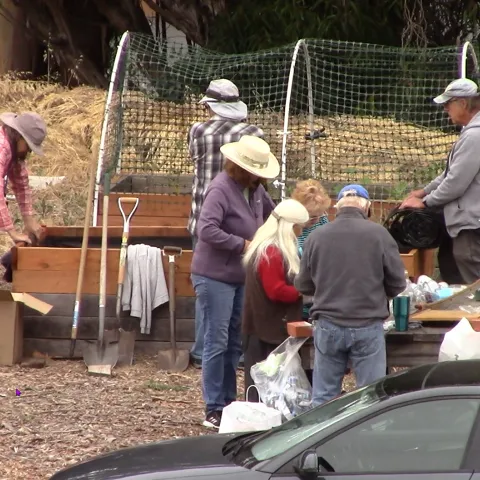
Raised garden beds with Swiss Chard
Fresno Gardening Green: Article

Don’t let physical limitations keep you from gardening

September 26, 2025
By Jeannette Warnert
 Gardening has many benefits as we grow older. Physical agility, mental sharpness, emotional health and a longer life have all been tied to gardening. It can also help to improve balance. However, as we get older, our bodies change, making gardening more difficult. Master Gardener William Elliott…
View Article
Primary Image
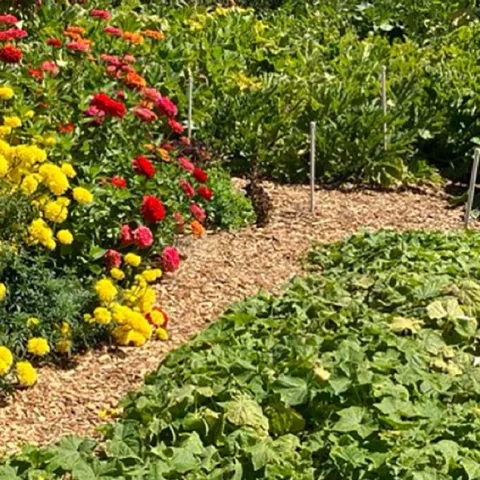
Lettuce seedlings
Fresno Gardening Green: Article

This week in the garden: Sept. 26 - Oct. 2

September 26, 2025
By Jeannette Warnert
Pick a bouquet of herbs in the early morning to retain flavor. Keep them in a vase and use them all week.TasksMonitor soil moisture after rain and water if needed, especially for trees and shrubs.Renovate cool-season lawns – remove thatch and aerate.Hand pick snails and slugs in the early morning or use bait…
View Article
UC Cooperative Extension - Madera County: Page

Support UC Master Gardeners of Madera County

Donate to the Fresno County Master Gardener programYOU DONATEWE DELIVERLIVES CHANGEDonate Choose Giving Destination: Fresno County Master Gardener DONATE: UCANR / University of California Agriculture and Natural Resources Division (UC ANR) headquartered in Davis, California.   Please…
View Page
Primary Image
Building sub-irrigated planters
UC Master Gardener Program of Contra Costa County: Article

Supply in the Sky: Rainwater Harvesting for the Win

September 25, 2025
By Lori D Palmquist
If you had a desire to plant a garden that not only grows veggies in raised beds, but also nurtures 5,000 seedlings for a plant sale and features a pollinator garden to help those veggies thrive, would you choose a site that has no piped-in water and no electricity? It’s improbable that you would even give…
View Article
Primary Image
Our Garden in Walnut Crek, photo courtesy by Greg Letts
UC Master Gardener Program of Contra Costa County: Article

Seasonal Update on our Central and East County Demo Gardens

September 25, 2025
By Cynthia Engers
As most of our readers probably noticed, this summer in Contra Costa County was unusually cool.  Some of you may have observed different behavior in your home gardens as a consequence, and might like to know how two of our Master Gardener demonstration gardens reacted to milder temperatures.Very…
View Article
Primary Image
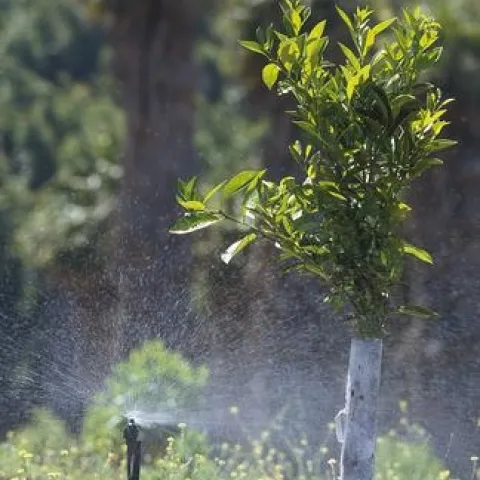
Irrigating citrus

Irrigation Information Online from UC Davis

September 25, 2025
By Ben A Faber
Irrigation Educational MaterialOur objective is to support Californians’ efforts to improve economic competitiveness and protect environmental quality in matters relating to land, air and water resources in agricultural, rural, urban and natural landscape settings.Our program is dedicated to the study of…
View Article
Primary Image
exhibition
The Confluence: Article

Engaging audiences in water science and policy through art

September 25, 2025
By Edith de Guzman
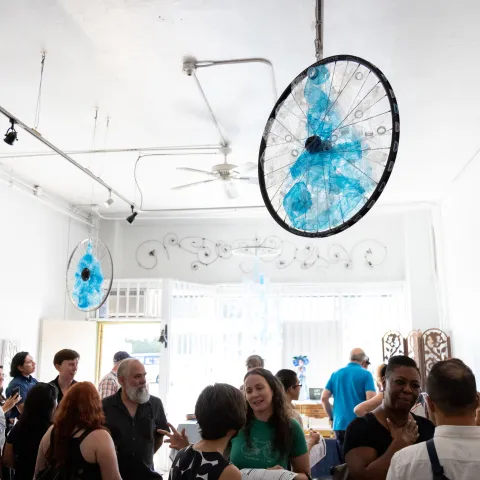
 Attendees mingling at the exhibit opening reception at Avenue 50 Studio in Los Angeles. (Photo Credit: Shanley Kellis)Engaging audiences at the nexus of art and science can produce results that are more profound and surprising than expected. As both an artist and a scientist I’ve had several…
View Article

Citrus Pests and Natural Enemies

September 25, 2025
By Sandipa Gautam
Dear PCAs and Citrus Growers,We are pleased to invite you to two upcoming educational events at the Lindcove Research and Extension Center (LREC) this October:California Red Scale and Natural Enemies WorkshopDate: Wednesday, October 1, 2025Time: 8:30 AM to 4:00 PMRegister by September 25 using…
View Article
Primary Image
Sudangrass
Salinas Valley Agriculture: Article

Fall and winter cover crop strategies for vegetable crop systems

September 25, 2025
By Michael D Cahn
 As we enter the fall season and begin preparing fields for the winter, this is the time to think about planting cover crops.   Typically, most growers plant less than 5% of the vegetable ground with fall and winter cover crops.   Cover crops can potentially help with many challenges…
View Article