A Natural Solution for California's Herds: African Catfish Peptides

California's cattle producers and agricultural communities are all too familiar with the rising challenge of antibiotic resistance, making common bacterial infections harder to treat in livestock. But imagine a future where we could tackle these infections with a natural, powerful alternative. Our research points to just that: antimicrobial peptides (AMPs) found in African catfish.

We're really excited about these peptides because African catfish thrive in pathogen-rich freshwater, naturally producing these robust immune compounds in their skin mucus as a defense. This natural origin makes them highly appealing alternatives to synthetic drugs.

Predicted Safety and Potent Action

One of the most compelling aspects of these AMPs is their predicted safety for mammals. Our initial computer analyses suggest that various catfish AMPs are generally recognized as safe (GRAS). We predict they'll be absorbed in the human intestine without causing liver, brain, or heart toxicity. Furthermore, lab tests on a promising peptide, NACAP-II, confirmed it was non-hemolytic, meaning it didn't damage rabbit red blood cells—a strong indicator of its potential safety for mammalian cells.

Beyond safety, these peptides demonstrate effectiveness against problematic bacteria. One study revealed NACAP-II's strong activity against Extended-Spectrum Beta-Lactamase (ESBL)-producing Escherichia coli—a critical concern for both animal and human health due to its resistance to many common antibiotics. Another peptide, ACAP-IV, also showed antibacterial activity against E. coli and Staphylococcus aureus. We believe these AMPs work by directly disrupting bacterial cell membranes, a mechanism that makes it harder for bacteria to develop resistance compared to how they resist traditional antibiotics.
Primary Image
avocado forest
Topics in Subtropics: Article

Avocado Cafe

February 9, 2022
By Ben A Faber
Avocado Caf is intended to be a meeting of interested avocado growers from California and elsewhere with an open discussion for ideas and inputs. Our organizing committee primarily consists of California growers but also has extension personnel and international members as well.
View Article
ANR Contracts & Grants Updates: Article

USDA NIFA is accepting applications to the FY22 Renewable Resources Extension Act – National Program Focus (RREA-NFF) program

February 8, 2022
By Kathleen P Nolan
Dear Colleagues, NIFA requests applications for the Renewable Resource Extension Act (RREA) National Focus Fund Projects (NFF) for fiscal year (FY) 2022 to provide for expanded and comprehensive extension programs that focus on forest and rangeland renewable resources at the national or regional le...
View Article
Primary Image
Green squares of crop land in foreground and unplanted brown land in upper left. Buildings dot the landscape in upper right.
ANR Employee News: Article

Intermountain REC calls for proposals

February 8, 2022
By Pamela S Kan-Rice
The Intermountain Research and Extension Center is soliciting proposals from researchers for new and continuing research projects in 2022-23. IREC is a 140-acre research facility located at 4,000 feet elevation near the Oregon border.
View Article
Merced County Cooperative Extension: Article

February 2022

February 8, 2022
February 15, 2022 meeting agenda. DPR units requested: 1.0 hours L&R 1.5 hours other. 3.0 CCA units. Production notes. Telone monitoring.
View Article
Article

Integrated Web Project (IWP) status update

February 8, 2022
By Pamela S Kan-Rice
Over the last several months, the IWP project team has faced unanticipated challenges with vendors, contractors and resource constraints. These challenges have impacted the timeframe for building the core infrastructure of the new platform.
View Article
Intermountain REC News: Article

2022 IREC Spring Research Update Newsletter

February 8, 2022
By Robert G Wilson
The 2022 IREC Spring Research Update is now available. Newsletter topics include importance of crop planting date, alfalfa irrigation, alfalfa cutting schedules, harrowing alfalfa, and IREC research summaries detailing 2021 research related to new varieties and crop management.
View Article
Primary Image
citrus bud mite lemon
Under the Solano Sun: Article

Citrus Bud Mite

February 8, 2022
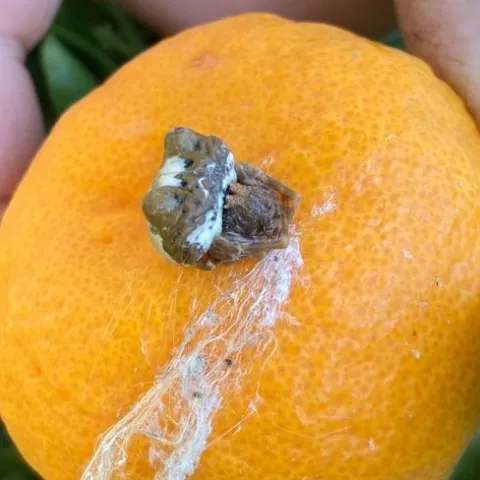
Yikes, what is this, what happened to it? It's supposed to be a lemon. According to the UC IPM page on Pests in Gardens and Landscapes, the deformity is probably caused by a Citrus Bud Mite called Eriophyes sheldoni.
View Article