A Natural Solution for California's Herds: African Catfish Peptides

California's cattle producers and agricultural communities are all too familiar with the rising challenge of antibiotic resistance, making common bacterial infections harder to treat in livestock. But imagine a future where we could tackle these infections with a natural, powerful alternative. Our research points to just that: antimicrobial peptides (AMPs) found in African catfish.

We're really excited about these peptides because African catfish thrive in pathogen-rich freshwater, naturally producing these robust immune compounds in their skin mucus as a defense. This natural origin makes them highly appealing alternatives to synthetic drugs.

Predicted Safety and Potent Action

One of the most compelling aspects of these AMPs is their predicted safety for mammals. Our initial computer analyses suggest that various catfish AMPs are generally recognized as safe (GRAS). We predict they'll be absorbed in the human intestine without causing liver, brain, or heart toxicity. Furthermore, lab tests on a promising peptide, NACAP-II, confirmed it was non-hemolytic, meaning it didn't damage rabbit red blood cells—a strong indicator of its potential safety for mammalian cells.

Beyond safety, these peptides demonstrate effectiveness against problematic bacteria. One study revealed NACAP-II's strong activity against Extended-Spectrum Beta-Lactamase (ESBL)-producing Escherichia coli—a critical concern for both animal and human health due to its resistance to many common antibiotics. Another peptide, ACAP-IV, also showed antibacterial activity against E. coli and Staphylococcus aureus. We believe these AMPs work by directly disrupting bacterial cell membranes, a mechanism that makes it harder for bacteria to develop resistance compared to how they resist traditional antibiotics.
Primary Image
Graffiti cauliflower. (jackseeds.co)
Napa Master Gardener Column: Article

Cauliflower, More than meets the eye!

February 7, 2022
By Pat Hitchcock, UC Master Gardener of Napa County In 2021 the Napa Master Gardeners' field trials group decided to grow cauliflower, not just once but twice. The first round got started in January with seeding into flats or pots; seeding for a fall/winter crop commenced in August.
View Article
Primary Image
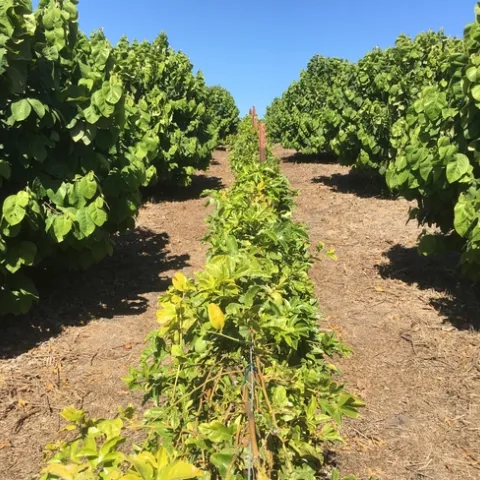
Oblong yellow vegetables growing through an 8' tall trellis you can walk under.
The Stanislaus Sprout: Article

Spring Vegetable Gardening Class February 22, 2022

February 7, 2022
By Anne E Schellman
We hope you can join UCCE Stanislaus County Master Gardeners Rho Yare and Ted Hawkins for our Zoom Warm Season Vegetable Gardening class on Tuesday, February 22, 2022 from 6:00-7:30 p.m. Now is the time to start thinking about which delicious vegetables you want to grow in your garden.
View Article
UCCE Siskiyou: Article

Annual Cattle Health Meeting

February 7, 2022
You are cordially invited to attend the Annual Cattle Health meeting presented by UC Cooperative Extension, Siskiyou County Cattlemen's Association and Siskiyou County CattleWomen. The meeting is on THURSDAY, February 24th, 2002 at 6:30 pm in the Montague Elementary School cafeteria.
View Article
Primary Image
DroughtStressed Wheat
UC Small Grains Blog: Article

Join UC Cooperative Extension at the World Ag Expo!

February 7, 2022
By Mark E Lundy
If you're planning to attend the World Ag Exp in Tulare this week, be sure to stop by Seminar Trailer 2 between 1-3 PM on Tuesday and Wednesday to catch the UC Dairy Series.
View Article
Primary Image
citrus dry root rot single tree
Topics in Subtropics: Article

It's Not the Right Time

February 7, 2022
By Ben A Faber
The calls have come in. Citrus Dry Root Rot has struck. It's not supposed to happen this time of year. We've gone from this beautiful, rainy December to a mild winter mid-80s on some days. But, we had a fierce Santa Ana mid-January that knocked down street trees and caused other damage.
View Article
Primary Image
Dogwood
Spill the Beans: Article

Dogwood, Loropetalum and Meyeri Fern

February 7, 2022
by Susan Duquette This is the third of four articles describing plants and their care featured in the UC Master Gardeners of Napa County's low water, low maintenance area of Las Flores Learning Garden.
View Article