A Natural Solution for California's Herds: African Catfish Peptides

California's cattle producers and agricultural communities are all too familiar with the rising challenge of antibiotic resistance, making common bacterial infections harder to treat in livestock. But imagine a future where we could tackle these infections with a natural, powerful alternative. Our research points to just that: antimicrobial peptides (AMPs) found in African catfish.

We're really excited about these peptides because African catfish thrive in pathogen-rich freshwater, naturally producing these robust immune compounds in their skin mucus as a defense. This natural origin makes them highly appealing alternatives to synthetic drugs.

Predicted Safety and Potent Action

One of the most compelling aspects of these AMPs is their predicted safety for mammals. Our initial computer analyses suggest that various catfish AMPs are generally recognized as safe (GRAS). We predict they'll be absorbed in the human intestine without causing liver, brain, or heart toxicity. Furthermore, lab tests on a promising peptide, NACAP-II, confirmed it was non-hemolytic, meaning it didn't damage rabbit red blood cells—a strong indicator of its potential safety for mammalian cells.

Beyond safety, these peptides demonstrate effectiveness against problematic bacteria. One study revealed NACAP-II's strong activity against Extended-Spectrum Beta-Lactamase (ESBL)-producing Escherichia coli—a critical concern for both animal and human health due to its resistance to many common antibiotics. Another peptide, ACAP-IV, also showed antibacterial activity against E. coli and Staphylococcus aureus. We believe these AMPs work by directly disrupting bacterial cell membranes, a mechanism that makes it harder for bacteria to develop resistance compared to how they resist traditional antibiotics.

Article

Flexibility during environmental challenges

August 26, 2021
By Pamela S Kan-Rice
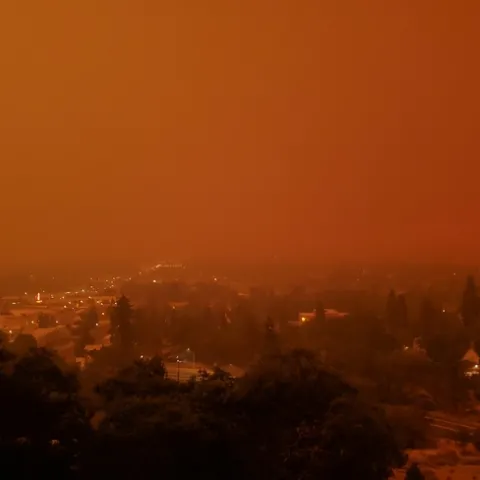
Given concerns for the recent environmental challenges we continue to face in California, we want to reiterate our dedication to providing a safe, healthy and flexible work environment.
View Article
Primary Image
Sweat bee with pollen on 'Island Pink' yarrow
The Bee Gardener: Article

Is Your Garden Getting its Maximum Bees Per Gallon?

August 26, 2021
Bee gardeners are good stewards of the environment, which includes making the most of our precious water supplies in the garden. But are you getting the most Bees Per Gallon? We've recently completed a five-year study to evaluate the bee-attractiveness of common northern California landscape plants.
View Article
Primary Image
Evolutionary biologist Jessica Gillung, director of the Lyman Entomological Museum at McGill, one of the largest insect collections in Canada.
Entomology & Nematology News: Article

Jessica Gillung Wins ESA Early Career, Leadership Award

August 26, 2021
By Kathy Keatley Garvey
Evolutionary biologist Jessica Gillung, who received her doctorate in entomology from UC Davis in 2018 and is now on the faculty of McGill University, Montreal, Quebec, Canada, is the newly announced recipient of the Entomological Society of America's International Branch Early Career and Leadership...
View Article
Primary Image
Mark has some San Diego down time
ANR Adventures: Article

Perspective

August 25, 2021
By Wendy Powers
I was on a call this morning and a fellow participant mentioned that they were in SLO last week. The participant commented how nice it was to be in beautiful California, away from all the rain in the Midwest and East Coast. I laughed out loud. Everything is a matter of perspective.
View Article
Primary Image
The late Robbin Thorp, UC Davis distinguished emeritus professor, kept his image of Franklin's bumble bee as his screensaver image on his computer. He last saw the bee in 2006 at Mt. Ashland, and was the last known person to see the pollinator. (Photo by Kathy Keatley Garvey)
Bug Squad: Article

Robbin Thorp Would Have Been Proud

August 25, 2021
By Kathy Keatley Garvey
The late Robbin Thorp, UC Davis distinguished emeritus professor and a tireless advocate of pollinator species protection and conservation, would have been proud.
View Article