A Natural Solution for California's Herds: African Catfish Peptides

California's cattle producers and agricultural communities are all too familiar with the rising challenge of antibiotic resistance, making common bacterial infections harder to treat in livestock. But imagine a future where we could tackle these infections with a natural, powerful alternative. Our research points to just that: antimicrobial peptides (AMPs) found in African catfish.

We're really excited about these peptides because African catfish thrive in pathogen-rich freshwater, naturally producing these robust immune compounds in their skin mucus as a defense. This natural origin makes them highly appealing alternatives to synthetic drugs.

Predicted Safety and Potent Action

One of the most compelling aspects of these AMPs is their predicted safety for mammals. Our initial computer analyses suggest that various catfish AMPs are generally recognized as safe (GRAS). We predict they'll be absorbed in the human intestine without causing liver, brain, or heart toxicity. Furthermore, lab tests on a promising peptide, NACAP-II, confirmed it was non-hemolytic, meaning it didn't damage rabbit red blood cells—a strong indicator of its potential safety for mammalian cells.

Beyond safety, these peptides demonstrate effectiveness against problematic bacteria. One study revealed NACAP-II's strong activity against Extended-Spectrum Beta-Lactamase (ESBL)-producing Escherichia coli—a critical concern for both animal and human health due to its resistance to many common antibiotics. Another peptide, ACAP-IV, also showed antibacterial activity against E. coli and Staphylococcus aureus. We believe these AMPs work by directly disrupting bacterial cell membranes, a mechanism that makes it harder for bacteria to develop resistance compared to how they resist traditional antibiotics.
Primary Image
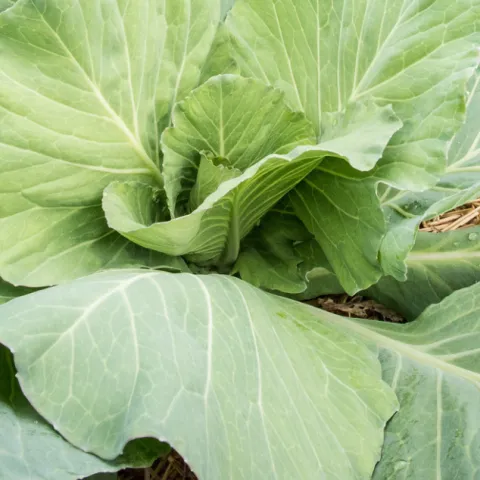
Cabbage
Fresno Gardening Green: Article

Winter companion planting to repel insects

September 5, 2025
By Jeannette Warnert
We are blessed to live here in the Central Valley and its foothills where we can grow year around. It is easy to find plants that can and cannot be planted together over the fall, but not what we can grow that will enrich the soil nutrition and texture and what biochemical pest suppression can be done that…
View Article
Primary Image
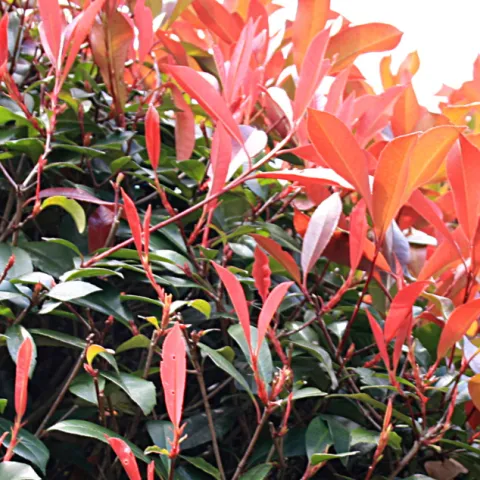
Photinia
Fresno Gardening Green: Article

This week in the garden: Sept. 5 - 11

September 5, 2025
By Jeannette Warnert
When planning the fall changes in your garden, think about drought tolerant plants.“A garden is a thing of beauty and a job forever” ~ Richard BriersTasksThe cooler weather is perfect for working in the garden. Start fall cleanup.Despite a few last very hot summer days, fall is rapidly approaching with…
View Article
Primary Image
granary oak 1
UC Oaks: Page

Oak Woodland Wildlife

Oak woodlands are one of the richest broad habitats in the state, with well over 300 terrestrial vertebrates utilizing woodlands at some time during the year. They are also extremely important for a wide range of insect life.   How they are managed can therefore have a significant impact…
View Page
UC Oaks: Page

Conifer Encroachment Resources

There are a number of useful references that address the ecological and policy aspects of the conifer encroachment issue. Several UCANR publications are also currently under development.Policy Valachovic, Y., Quinn-Davidson, L., and Standiford, R. Can the California Forest Practice Rules Adapt to Addres…
View Page
Primary Image
MOB infested valley oak
UC Oaks: Page

Threats to Oak Woodlands

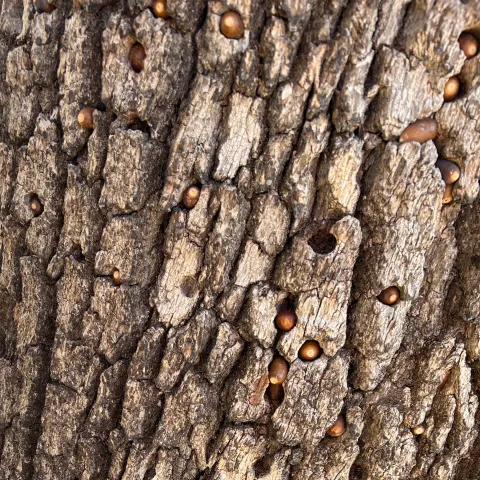
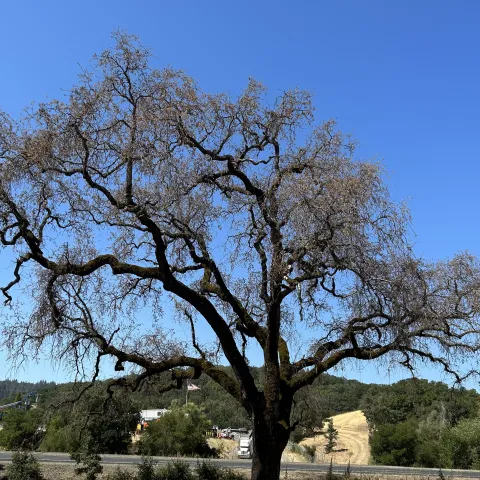
Invasive Insect: Mediterranean Oak Borer (MOB) The Mediterranean Oak Borer (MOB; Xyleborus monographus) is an introduced ambrosia beetle that was found infesting several valley oak (Quercus lobata) trees in Napa County in 2019. The insect was likely introduced on imported wood products. To date, it has…
View Page
UC Master Gardener Program of Contra Costa County: Event

Ask a Master Gardener - Our Garden - AAMG

Event Date
May 6, 2026

Come and find our Ask A Master Gardener (AAMG) table at the 'Our Garden' Demonstration Garden to get answers to all your questions and so much more!
UC Master Gardener Program of Contra Costa County
View Event
UC Master Gardener Program of Contra Costa County: Event

Ask a Master Gardener - Our Garden - AAMG

Event Date
May 13, 2026

Come and find our Ask A Master Gardener (AAMG) table at the 'Our Garden' Demonstration Garden to get answers to all your questions and so much more!
UC Master Gardener Program of Contra Costa County
View Event
UC Master Gardener Program of Contra Costa County: Event

Ask a Master Gardener - Our Garden - AAMG

Event Date
Jun 3, 2026

Come and find our Ask A Master Gardener (AAMG) table at the 'Our Garden' Demonstration Garden to get answers to all your questions and so much more!
UC Master Gardener Program of Contra Costa County
View Event